 EN
EN

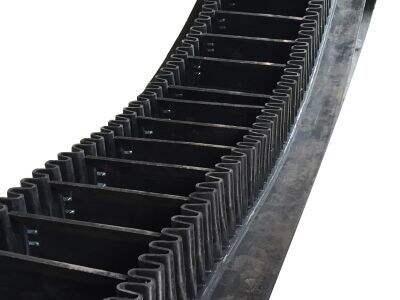
It’s really important to choose the right conveyors belt if you want your machines to keep running smoothly. When selecting a conveyors belt, consider what it is being used for and how much weight it will need to support. Rocks, metal and other materials are rugged and rough, requiring a tough belt.
Introduction
You’ve selected the proper conveyors belt and are now ready to take the next steps to keep it running for a long time. Good maintenance ensures that your belt will last long and perform well. Begin by inspecting the check belt regularly. Inspect for wear and tear. If it’s worn or you see cracks or tears, it’s time to repair or replace it. It is also very important to keep the belt clean. We get dust and dirt clouding our thinking.
Conveyors Belts and How to Fix Them
Conveyors belts are a critical tool in a wide range of applications, including factories, warehouses and even construction sites. But they also can encounter a few common issues that hinder their efficacy. One concern is wear and tear. Because conveyors belts can slide heavy products and take a beating over time. This type of damage can result in tears or holes that may prevent the belt from functioning properly.
Actions to Prolong Your Conveyors Belts
If you want your conveyors belts to have a long life, there are just a few best practices. One of the most obvious ep6304 conveyor belt is selecting a suitable conveyor belt material. Some are more effective in some environments than others. For instance, you might desire a belt of tough rubber, if you are to handle heavy goods.
When Buying HeavyDuty Conveyors Belts
When purchasing heavy-duty conveyors belts, you should bear several things in mind. The ep500 4 conveyor belt first thing you’ll want to consider is what materials you’ll be transporting. Various materials may wear the belt at different rates. For instance, sharp edged or heavy goods may have a more abrasive effect on a belt than lighter glass-like goods.
Conclusion
You need to consider the width and length of the fertilizer conveyor belt. Stretch a piece of fabric (or a measuring tape if you have one) over where the belt will go and ensure that you take the correct size.