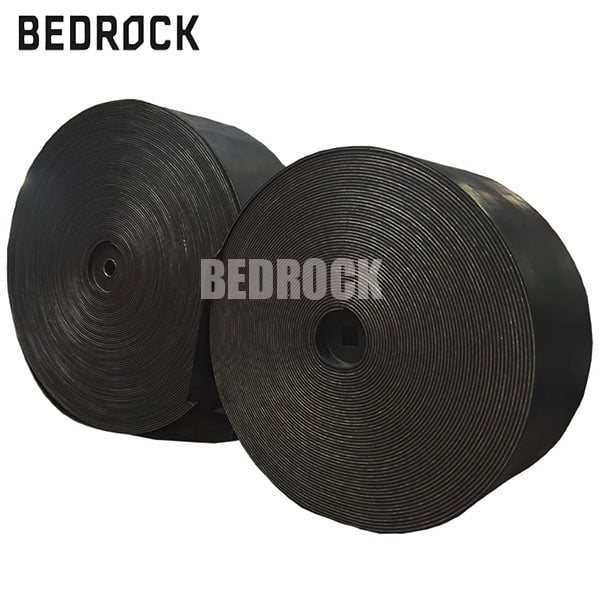
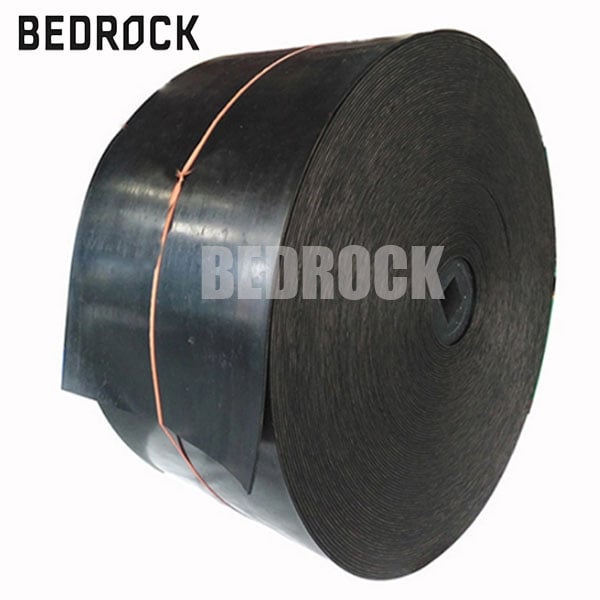
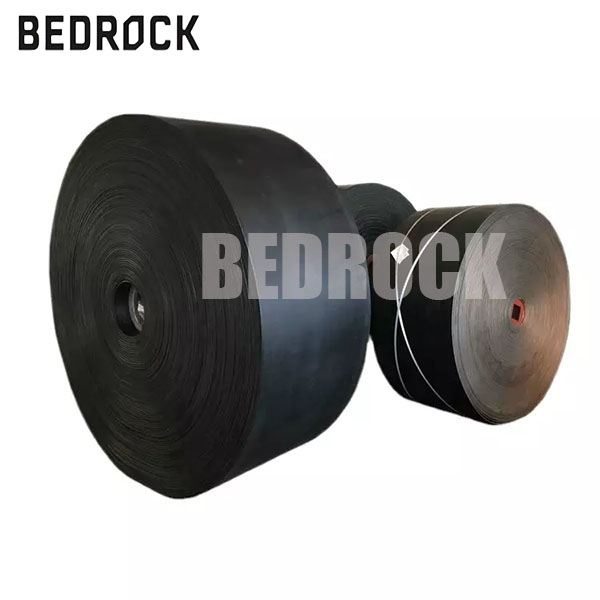
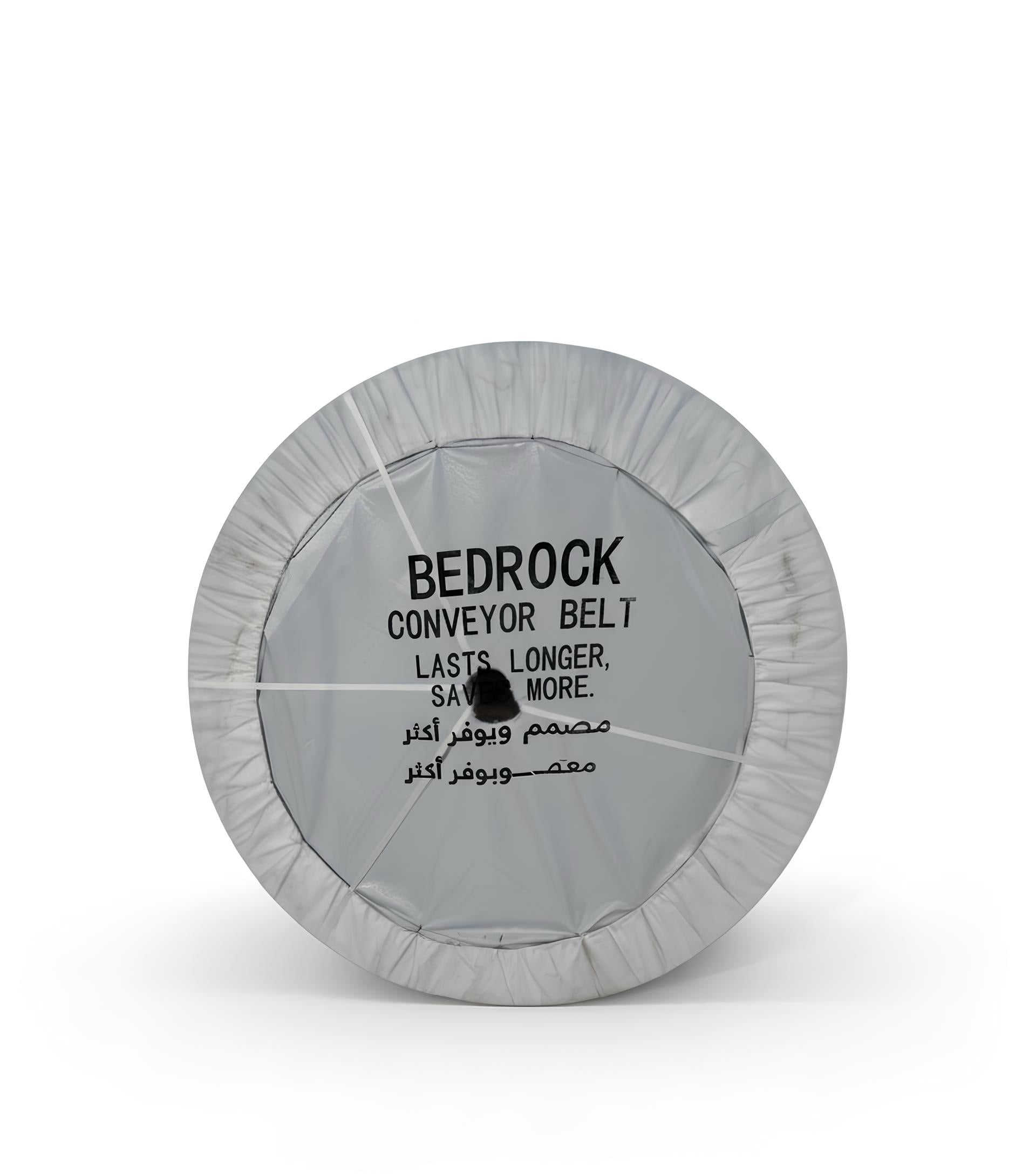
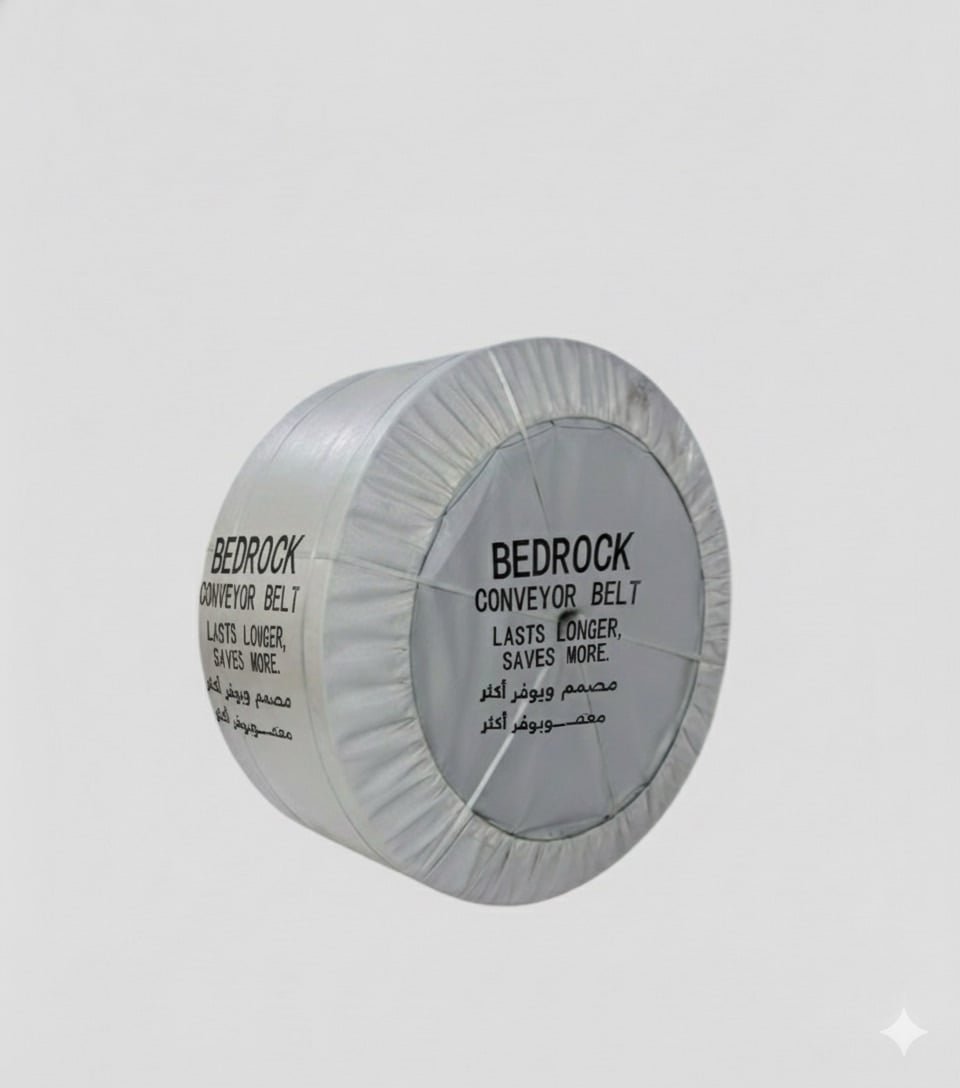
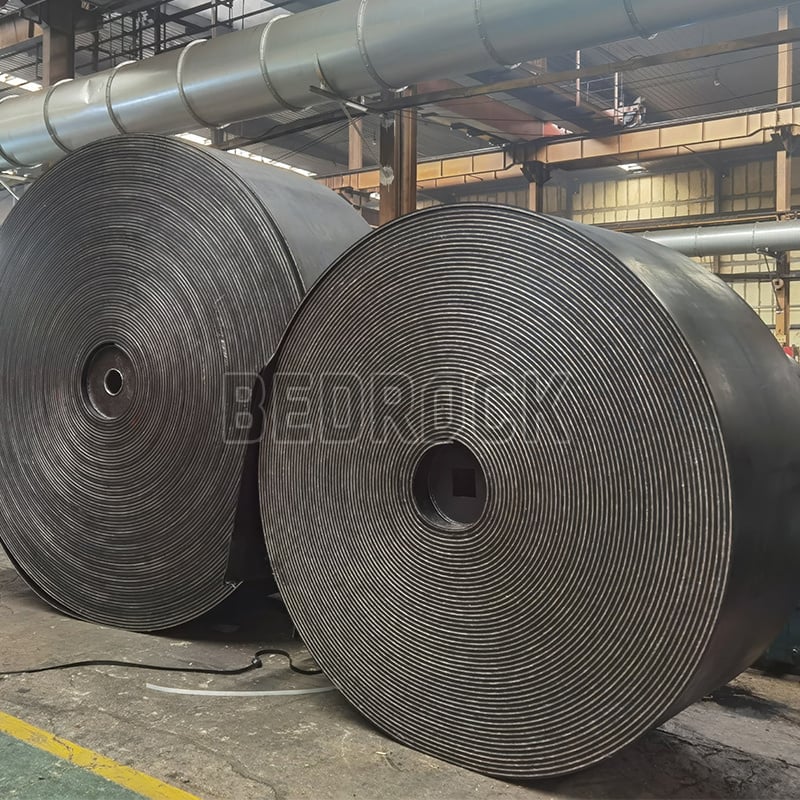
These two conveyor belt variants are often conflated in industrial contexts but have distinct functional emphases. The High-Temperature Resistant Conveyor Belt is designed to withstand prolonged exposure to extremely hot materials (e.g., sintered ore, hot clinker at temperatures up to 180°C-250°C). Its covers are typically made from special compounds like EPDM (Ethylene Propylene Diene Monomer), which resist cracking, hardening, and charring. The Heat Resistant Conveyor Belt, meanwhile, focuses on maintaining physical stability under sustained, moderately elevated temperatures (typically up to 120°C), preventing the cover from premature aging and loss of elasticity. Both are critical in applications like transporting coal for power plants or materials within sintering plants.
 EN
EN