 EN
EN


Why Vulcanized Splices Outperform Mechanical Fasteners in Saudi Arabia’s Quarry Operations
In Saudi Arabia’s quarry and mining industry, conveyor belt joints are often the most vulnerable point in the entire conveying system. Under extreme conditions such as high temperatures, heavy impact loads, and 24/7 continuous operation, splice failure can lead to costly downtime and production losses.
Two main joining methods are widely used in the industry: mechanical fasteners (belt clips) and hot vulcanized splicing. However, under Saudi Arabia’s harsh quarry conditions, their performance differences are significant.
1. Stability in Extreme High-Temperature Environments
Quarry operations in Saudi Arabia frequently operate under ambient temperatures above 45°C, with belt surface temperatures often exceeding 60°C under direct sunlight.
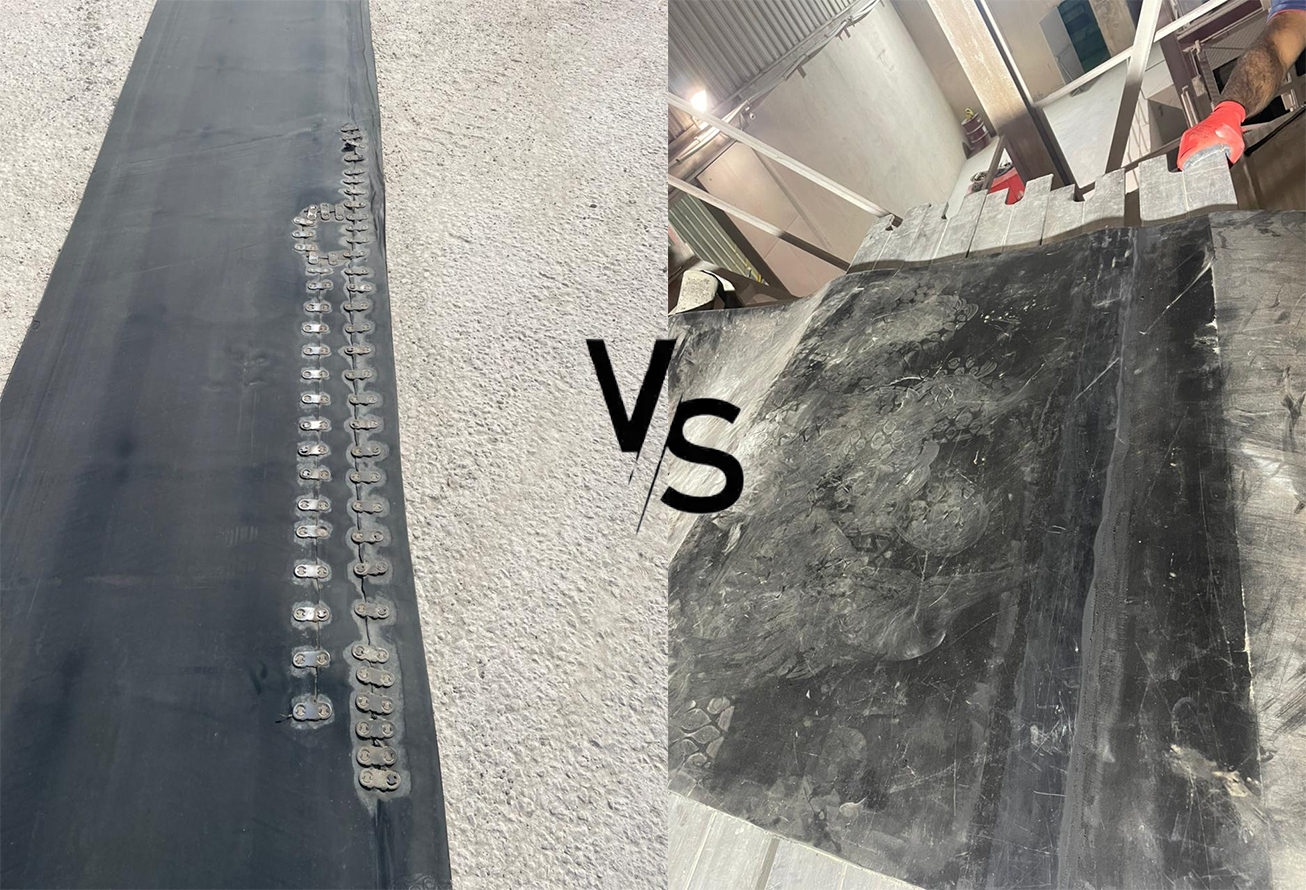
Mechanical fasteners (belt clips) rely on physical metal connections and rubber deformation. Under continuous heat stress and belt tension, they are more prone to loosening and structural fatigue.
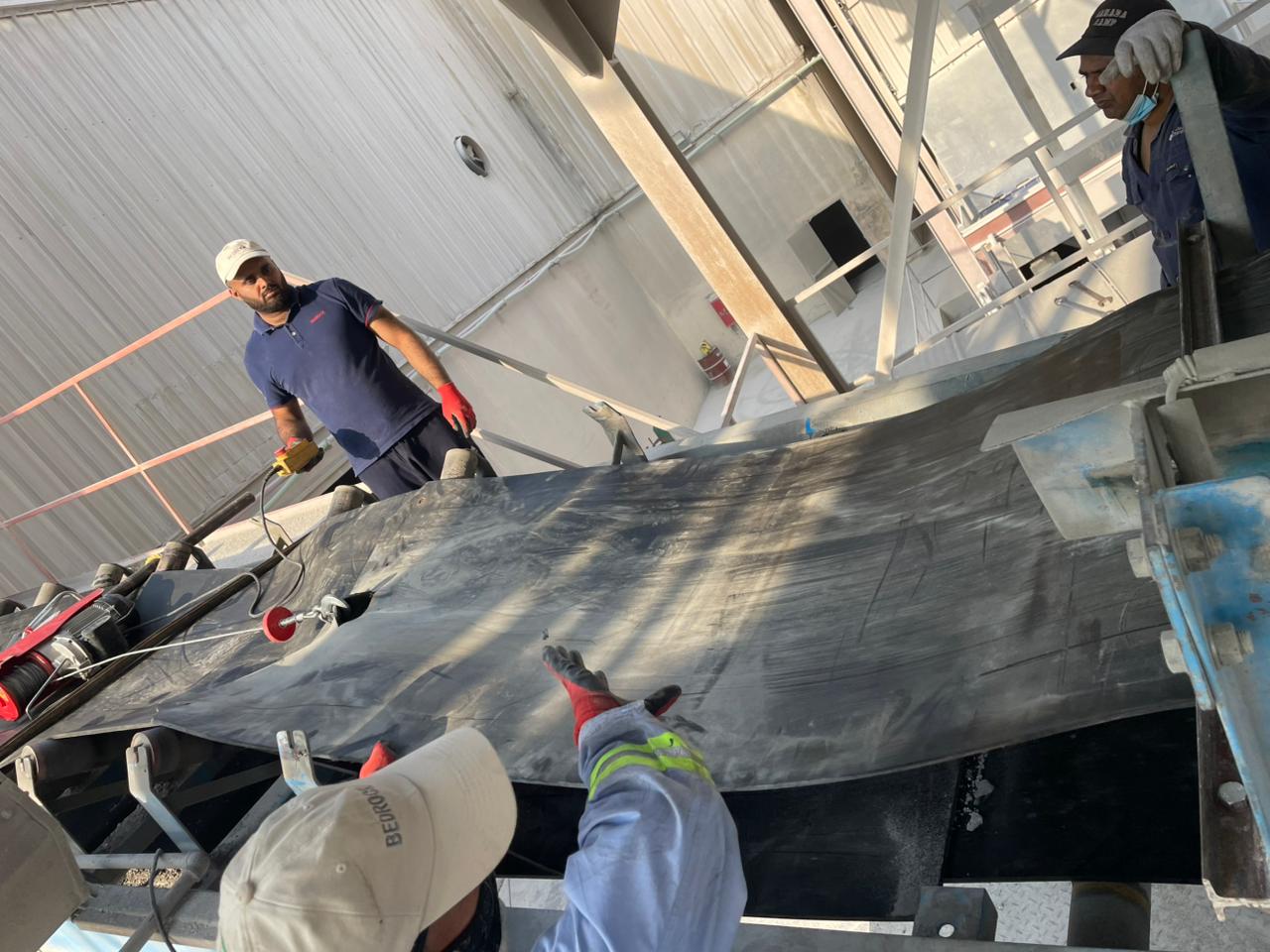
In contrast, vulcanized splicing uses heat and pressure to create a homogeneous bond between belt layers, forming a continuous structure that performs as a single belt body under high-temperature conditions.
 建议放置:第1节结束后
2. Superior Resistance to Impact and Abrasion
Quarry materials such as rock, aggregate, and cement clinker create constant impact stress on conveyor belts.
Mechanical fasteners introduce rigid metal points into the belt structure, which can create stress concentration and accelerate wear or belt damage over time.
Vulcanized splices, however, create a seamless and uniform structure that distributes stress evenly, significantly improving resistance to abrasion and impact.
3. Longer Service Life and Reduced Downtime
In typical Saudi quarry operations, mechanical fasteners often require frequent adjustment or replacement due to vibration and load stress.
Vulcanized splices, when properly installed, can significantly extend service life, reducing maintenance frequency and unplanned shutdowns.
For 24/7 production environments, this directly translates into improved operational efficiency and lower lifecycle costs.
4. Better Resistance to Dust and Sand Infiltration
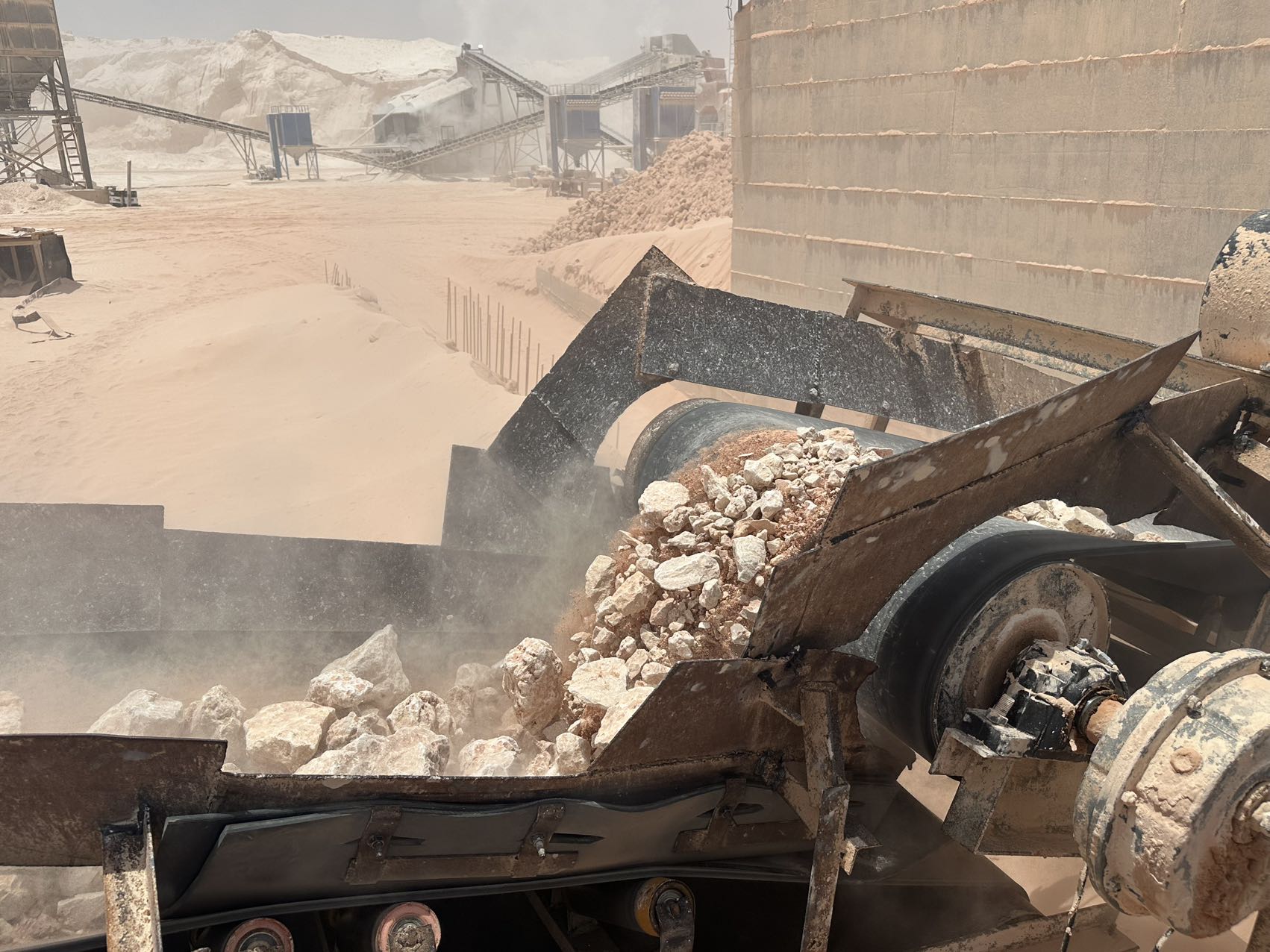
Dust and fine sand are constant challenges in Saudi Arabia’s quarry environments.
Mechanical fasteners often create small gaps and edges where particles can accumulate, accelerating wear and corrosion.
Vulcanized splices provide a smooth, sealed belt surface that minimizes dust ingress and improves long-term durability.
BEDROCK Vulcanizing Expertise
BEDROCK provides professional vulcanized splicing solutions designed specifically for quarry and mining operations in Saudi Arabia.
Our technical teams specialize in high-temperature, high-load, and dust-intensive environments, delivering splicing systems that improve reliability, reduce downtime, and extend belt service life.
Conclusion
While mechanical fasteners (belt clips) remain widely used due to ease of installation, their limitations become evident under the extreme operating conditions of Saudi Arabia’s quarry industry.
Vulcanized splicing offers superior structural integrity, longer service life, and better resistance to environmental stress, making it the preferred solution for demanding mining applications.