 EN
EN

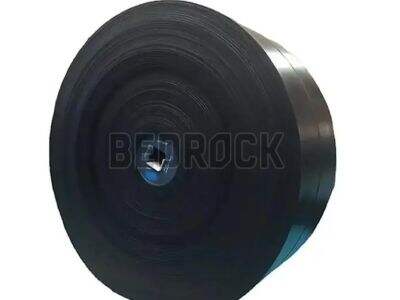
In terms of the conveyor belting, EP (Polyester) and NN (Nylon) are mentioned often. They each have their pros and cons. For businesses that rely on the movement of material, selecting the right one is critical. At BEDROCK, we understand that finding the right conveyor belt for your needs is a mission and a half! we are going to explore the differences between an EP (Extreme Ploly) conveyor belt, and a NN (Nylon) cord rubber conveyor belt in terms of their strength, flexibility & How much they cost? This will help you decide what to do.
What Wholesale Buyers Should Know?
There are a few factors wholesale buyers should consider when comparing EP and NN conveyor belts. First, we need to be familiar with the materials that are being used by both kinds. Such EP belts consist of polyester in the basis and are very strong and light. This means that they can bear loads without stretching so far. NN conveyor belts, on the other hand, are constructed with nylon to add an extra level of flexibility. This tolerance can be tightened, but will depending on the spline design affect the fit of the belt.
WHAT ADVANTAGES DO EP BELT VS. NN FOR HEAVY DUTY?
On the contrary, the NN conveyor belts are known for their flexibility and impact absorption. This is important for applications in which the belt can encounter bumps, or sudden changes in load. For example, recycling plants may have uneven heavy material that will shift unexpectedly. The elasticity of NN belts allows them to absorb this impact - protecting them from potential damage. Also, NN belts are much more tolerant to slightly misaligned conveyor than EP incline conveyor belt; this can be a huge advantage on a busy conveyor.
EP vs. NN Conveyor Belts: Strength, Flexibility, and Cost Comparison
When purchasing a conveyor belt, the cost of EP and NN conveyor belts is one of the most concerned of many businesses. Form of abbreviation: EP means polyester and NN refers to nylon. Both types of belts are used to transport materials on assembly lines, in warehouses and at construction sites. Cost matters significantly for wholesale buyers. Usually, EP conveyor belt is suitable for medium and long distances transportation. This is because EP belts are made of polyester, which is more cost-efficient to produce. But while EP belts are lower-priced, they are also durable and bearing-worthy.
There are few factors to consider when choosing between EP and NN conveyor belts.
The primary consideration is the type of materials the belts will transport. If a company works mostly with heavy materials, NN belts may be preferable. They are strong and stretch without breaking, making them perfect for rugged jobs. But if the materials are lighter, it may also possible to use EP belts. They remain formidable but are frequently available at a discount. Yet another is the conditions under which belts will work. For instance, if the belts will be exposed to extreme temperatures or chemicals then you need a belt that can withstand such environments.