 EN
EN

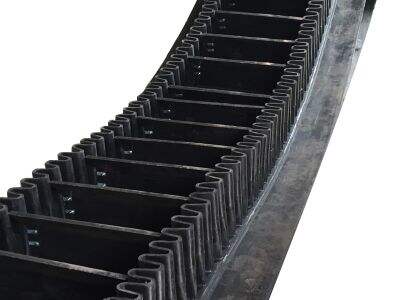
The choice of the conveyor belt that best suits your process is crucial for transportation in factories or warehouses. The flat belts and chevron belts are two types of conventional conveyor belts commonly used for transporting bulk or packaged materials. These belts have a smooth bottom and are good for carrying a product along an assembly line. They are basic and can transport a variety of goods. On the other hand, chevron belts have a special V-shaped pattern to help move materials that would otherwise slide back down. This is why chevron conveyor belt would be the perfect solution for steep incline or material with high moisture content. Understanding what sets these two belts apart can help you select the belt that’s just right for you. We want you to get the right belt for your application
What You Need to Know for Best Performance
The Secret to Effective Conveyor Belting: You need to Know Your Stuff If you’re expecting a conveyor belt to live up to your expectations, then you have know what is involved in the product. Flat belts are low maintenance and performing well for many applications. Between the two of them they can carry boxes, bags, or raw materials without any trouble. If you are working in a vacuum and have a simple flat surface then perhaps a flat belt is the ideal choice. But if you’ve got some heavy or really slippery stuff, a chevron belt might make sense here. The chevron pattern helps keep items from rolling around on hills. What this means is you never have to be concerned about spills or losing items in transit
Also make sure to check what the belt is made with. Flat bands may also be constructed from rubber, plastic or cloth. Each of them has its pros and cons. That could leave you feeling uncertain about whether rubber or PVC belts are a better fit for your facility. Rubber options are tough and capable of supporting heavy loads, while the lighter PVC belts boast superior cleanliness. Chevron belts also are made with various materials, and the best one for you will depend on what you’re moving. If you are handling food items, a washable belt may be preferred
You also want to consider the velocity of that belt. Some jobs require quick movement while others need a slow speed for delicate care. At BEDROCK we can help you decide on the best speed and material for your application. You also need to consider the size of the belt. Assuming the belt is of appropriate width may help prevent many after-the-fact problems. If it’s too skinny, it may not fit all your stuff. If it’s too wide, then space and resources may be wasted
Lastly, think about the climate in which you are going to be wearing the belt. Will it be very hot or cold? Has a lot of dust or moisture? This knowledge can help ensure the belt does a good job. Selecting the proper belt is about more than just the load; it’s about the entire system
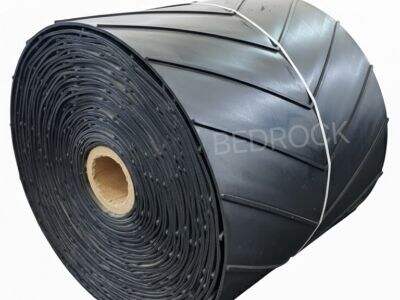
How to Decide Between As Flat Or Chevron Conveyor Belts For The Business
While comparing flat and chevron conveyor belts, consider the material you’ll be transporting.- as well as what it will encounter, in order to pick the belt that is right for your needs. Begin by asking yourself a few questions. What is the belt going to be transporting? Are they heavy or light? Will they be on a slope? For the most part, if you’re taking heavy stuff up a hill, the chevron belt is likely to be superior. Items will not fall back down with these shaped patterns
The next to think about is the overall design of your workspace. If you have lots of flat spaces, flat belts may work just fine. They are ideal for transporting items over long distances and level slabs. But if your warehouse has ramps, or uneven floors, chevron belts can master that challenge
Another consideration is the degree of wear and tear on the belts. Flat belts can wear faster when used to transport coarse or sharp goods, whereas chevron belts are more durable in such harsh environment. Also consider how often you will have to replace the belt: The more frequently you need to do so, the costly it may prove
Also, think about maintenance. Flat belts are generally easier to clean and make repairs on than chevron belts. If your trucks require regular cleaning, or if you are transporting food items, this may be a critical point to consider. At BEDROCK we can help advise on maintenance for each type of belt
Finally, you cannot overlook the price. Certainly, you need to select a belt that suits your needs, but you also don’t want to break the bank. Another good aspect of chevron belting is you are paying slightly more on an investment, but it can help save money in the future because it’s built to last and works well. Consider your choices carefully, and rely on the right information to make the best decision for your business
Where to Find Great Sale Wholesale Prices on Flat and Chevron Conveyor Belts
If you are searching for the right sale wholesale prices on Flat and Chevron conveyor belts, here are some of the areas you might want to check out. 1) First, local industrial supply stores. You can purchase the flat or chevron type of conveyor belt through these outlets. You can look for good deals there, especially if you buy in quantity. You can also try searching online. There are many online resources for the purchase of industrial equipment and supplies, such as conveyor belts. Sometimes websites can be less expensive than local stores because their overhead is less. Also check out BEDROCK’s site. BEDROCK - You won't find a conveyor belt here with more selection than BEDROCK, and they may have specials for bulk purchasing. When you shop online, make sure that you compare prices with the sites. That way you can get the best possible deal for your needs. You can read reviews from other customers, too. Reviews can provide insight into the quality of the belts and service from the seller. If you work for a business or organization, you may also want to contact BEDROCK directly. Many firms offer discounted rates for bulk orders
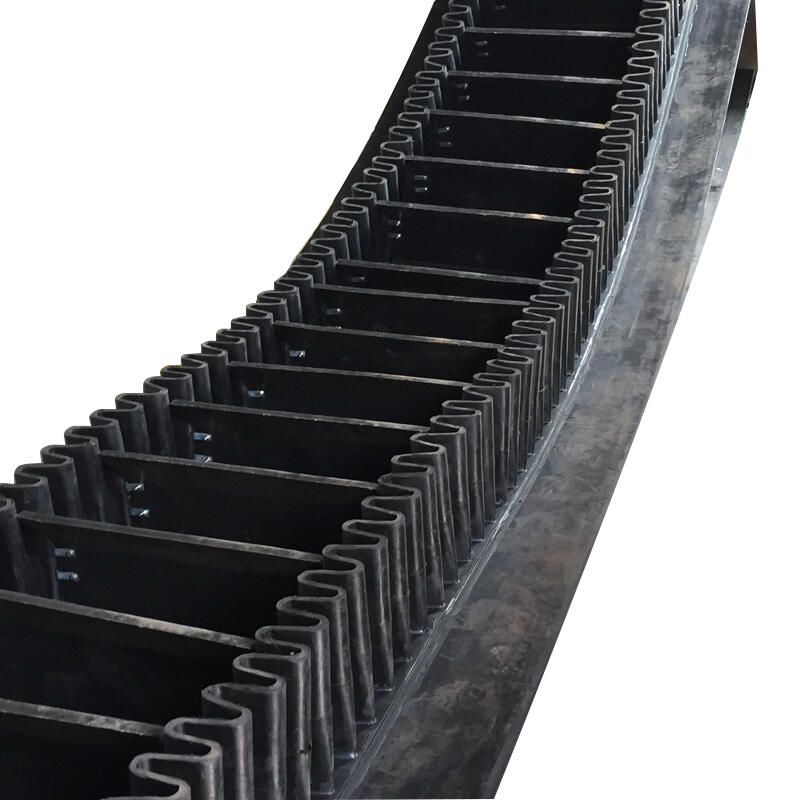
When to Use a Flat or Chevron Conveyor Belt By LBSROLL
Knowing when to use a flat conveyor belt or chevron conveyor belt is a critical decision that depends on the nature of your material and the angle of incline you need. Flat belts are smooth, or friction surface, and are good for applications such as jigs and fixtures. Perfect for transporting light objects such as boxes, packages or food products. If you’re running things that need to be stationary and not move around, flat belts work well. They are also quicker to be cleaned, a priority for some industries like food processing. In contrast, Chevron belts have quenched shapes that appear as zigzag. These air force belts help keep items from slipping off, even if the belt is slanted or uphill. Chevron belts are the way to go if you have heavy loads or items that tend to carry, or slide, for that matter. They work well for transporting materials such as gravel, sand or wood chips in construction or mining. If you’re unsure what type of conveyor to use, consider the material you will be transporting and the shape of your conveyor. Think about the incline, if there is one. For items that should not move around, flat belts are a good option. If, however, there’s a chance they might slip off, chevron belts will do a better job. Remember, for professional advice contact BEDROCK which way to go with belts based on your application. They can at least guide you toward the right decision for your needs
Chevron Conveyor Belts is actually referred to as likely or even higher angle, as well as the benefit of utilization
Chevron Conveyor Belt is actually that it can easily transfer all of kind of products due to angle form along with reduced sound. Among the major advantages of chevron belts is actually towards have the ability to bring loosened as well as solid products. The extended designs on the belt can offer a great hold of products as well as avoid all of them coming from slipping up down, particularly when the belt is actually turning. This hold is actually especially important when transferring products like crushed rock, shake and even packaged products that might quickly move of a level surface area. Another profit is actually their ability towards bring material up steeper slopes compared to requirement level belts. If your conveyor needs the move of items up high altitudes, chevron belts have actually these abilities as well preserving surfaces all throughout. This creates all of them ideal for utilize in mining, building product reusing, as well as composting applications. Chevron belts likewise avoid the product coming from diminishing of the edges during transportation. Which consequently implies much less squander and greater effectiveness for your procedure. What is much a lot extra, Chevron belts are actually created coming from resilient products that will certainly certainly not quickly use as well as might conserve you a fantastic of offer over time. They operate much a lot longer compared to level belts, therefore these are actually the substitute belts are actually much less most probably towards wear out
Table of Contents
- What You Need to Know for Best Performance
- How to Decide Between As Flat Or Chevron Conveyor Belts For The Business
- Where to Find Great Sale Wholesale Prices on Flat and Chevron Conveyor Belts
- When to Use a Flat or Chevron Conveyor Belt By LBSROLL
- Chevron Conveyor Belts is actually referred to as likely or even higher angle, as well as the benefit of utilization