 EN

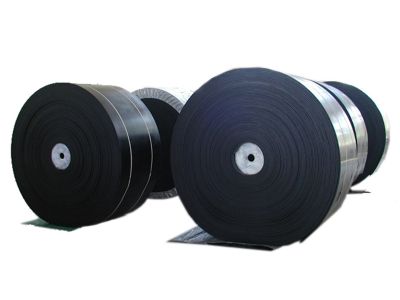
The conveyor belt is a very important equipment in the brick factory. They aid in the movement of wet or dry clay and high temperature clinker. Wet clay is sticky and mushy, and shrinkage will prevent it from being useful if stored in a clay bag for an extended time. Hence the conveyor belts. They are responsible in ensuring that each material flow well from one place to another without suffering any hitches. We know how important these conveyor belts are to brick production; our company, BEDROCK, is there every step of the way. We strive to make the best belts that can withstand these tough materials
Application Problems of Belt Conveyors Common in Use in Brick Factories and Measures to Deal with It
Conveyor belts are a major point of friction for many factories. One common problem is wet clay can adhere to the belts. It makes it difficult for the belt to function correctly. Should the clay clog it up, the whole system shuts down. Another issue is wear and tear. Conveyor belts work hard, especially when carrying materials like clinker. Eventually they can become damaged or wear out. It can have unanticipated breakdowns that are time-consuming and costly. To such problems, factories have been able to introduce special scraper systems. These scrapers contribute to the removal of clay on the belts before it can accumulate. Regular maintenance is also key. Factories can avoid many of those problems by inspecting the belts frequently and replacing parts as necessary. Here at BEDROCK we even offer belts made from an anti-stick and wear material. That’s because it means they last longer and work better in the harshest of conditions
Why is High Temperature Conveyor Belts Critical for Brick Making
Conveyor belts that can withstand high temperatures are crucial for making bricks. The clinker, when heated to high temperatures, will become very hard. Because it is indispensable in making bricks. But there is a risk that when you have hot material like that, you can handle it. Most belts aren’t designed for high heat; they will either melt or warp. And this is where our high-temperature belts come into play. They are specifically made to withstand the heat and handle safely. “I can transport clinker without getting hurt by the proper conveyor belts. It also keeps the line in production smoothly. If a belt breaks, it can lead to delays and that’s not good for business. BELT BEDROCK belts are designed for flexibility that feature temperature resistant construction, with a temperature rating of 250°F (121°C) continuous or 350°F (177°C) maximum, and Safety Factory Matched Systems. Moreover, these belts can save you power costs by operating efficiently with no overheating. So the right belts make a big difference in terms of safety and production speed

Easy Ways to Clean and Maintain Your Oil Drilling Rig Conveyor Belt
In a brick factory where the labourer is moulding wet clay, it’s essential that conveyor belts are working properly. Wet clay is heavy and sticky, which can lead to challenges for the belts. To keep all that running smoothly, there are some things to bear in mind. But first, it’s important to start with the right section of conveyor belt. A strong-rubber or special material belt can assist in coping with both heavy and sticky wet clay. The belt itself should also be textured. This will help you to get a better grip on the wet clay and prevent it from sliding off
Then, it is important to keep the belts clean. Damp clay can stick to the belt and slow down the factors ability to run so efficiently. The belts can stayed cleaned by being regularly flushed with water and scrubbed. This allows the belts to slide the clay with ease. You can also coat the belts with a special product. This coating can help make the surface smoother, so that the wet clay will slide off it more readily when you unload
Second is the velocity of belt. If the belt goes too fast, wet clay might not adhere properly; if it is too slow it may lead to blockages. The correct speed is essential for good performance. It might help to tailor the speed to how wet or dry the clay is. For instance, if the clay is particularly wet, reducing speed on the belt may help it be more manageable
Finally, regular maintenance is crucial. Inspecting the belts for wear and tear also helps you nip any issues in the bud. It is BEDROCK’s suggestion to have a maintenance schedule in place, inspecting the belts and replacing them as needed. Be sure to watch the conveyor belts for a smooth flowing factory and clay handled well wet
Here’s Where to Get Wear-Resistant Conveyor Belts for Extreme Temperature and Applications
When producing bricks, factories typically operate in extreme temperatures and when using materials like clinker they can reach very high levels. That means it’s very crucial to have the right conveyor belts. While in the process of looking for quality long lasting conveyor belts, the following guidelines will come in handy: Quality is key The best way to find conveyor belts that will last you a while longer is by being on the lookout for quality. A better choice is to see if there are suppliers that focus on industrial belts. These are the guys who make belts that can stand up to some of the worst, most extreme temperatures and conditions
It also can help to select belts that are made from materials with a heat-resistant design. For instance, silicone or heat-resistant rubber belts can withstand high temperatures without any degradation. This can be particularly important in a brick factory, as temperatures might get quite high there. Another factor is the width of the belt. Heavy-duty belts are thicker and can handle the heavy weight of clinker
BEDROCK recommends investigating whether or not the suppliers certify their belts. That should be some assurance that the belts are built to high quality standards and can perform in extreme situations. One can also look into the reviews from other customers before making a decision. This way you will benefit from the experiences of other people who have used them in similar circumstances
Another manner in which you can get conveyor belts is by working with a local manufacturer. This can have some advantages, as local companies will deliver more quickly and often provide better customer service. And, in many cases, you can go to their facilities to watch the belts being made. Lastly, if you are in the market for heavy-duty conveyor belts that are backed by a reliable warranty. A good warranty also means the company is backing their product believes in its quality

What Innovation is Driving Conveyor System in Brick Industrial
The technological world never stands still, and neither do conveyor belts in brick industry production. Smart technology One of the biggest trends is with smart products. ‘Smart conveyor belts’ have sensors that keep track of how the belt is performing, in real-time.” This enables factories to detect issues before they become serious. For example, if a belt is being worn through too soon, the sensors can notify the workers so they can fix it. This prevents production delays — and helps keep things running smoothly
Other trends are eco-friendly materials for conveyor belts. Because we’re all looking for ways to embrace factories of the future and be a bit more sustainable, belts made from recycled or sustainable materials are catching on. These belts can do good, with less damage to the environment. For companies like BEDROCK, they are researching these materials to help make brick factories more sustainable
Brick production also is increasingly being automated. That means conveyor belts are being used in concert with robots and other machines to make the process go faster and more efficiently. Automated solutions can help move materials rapidly and safely, minimizing the amount of manual labor required. This not just quickens production times but also plays a part in keeping workers safe
Lastly, we’re seeing an emphasis on personalization. Factories needs conveyor belts that can be customized to size. This means that brands are offering belts in varied sizes, cuts and materials as well. With customized conveyor belting, brick plants are able to achieve optimum performance for their specific applications. In general, these trends demonstrate how conveyor belt technology has been expanded and matured, allowing for a more effective/lower cost/ less exploitative use of the brick manufacturing system
Table of Contents
- Application Problems of Belt Conveyors Common in Use in Brick Factories and Measures to Deal with It
- Why is High Temperature Conveyor Belts Critical for Brick Making
- Easy Ways to Clean and Maintain Your Oil Drilling Rig Conveyor Belt
- Here’s Where to Get Wear-Resistant Conveyor Belts for Extreme Temperature and Applications
- What Innovation is Driving Conveyor System in Brick Industrial