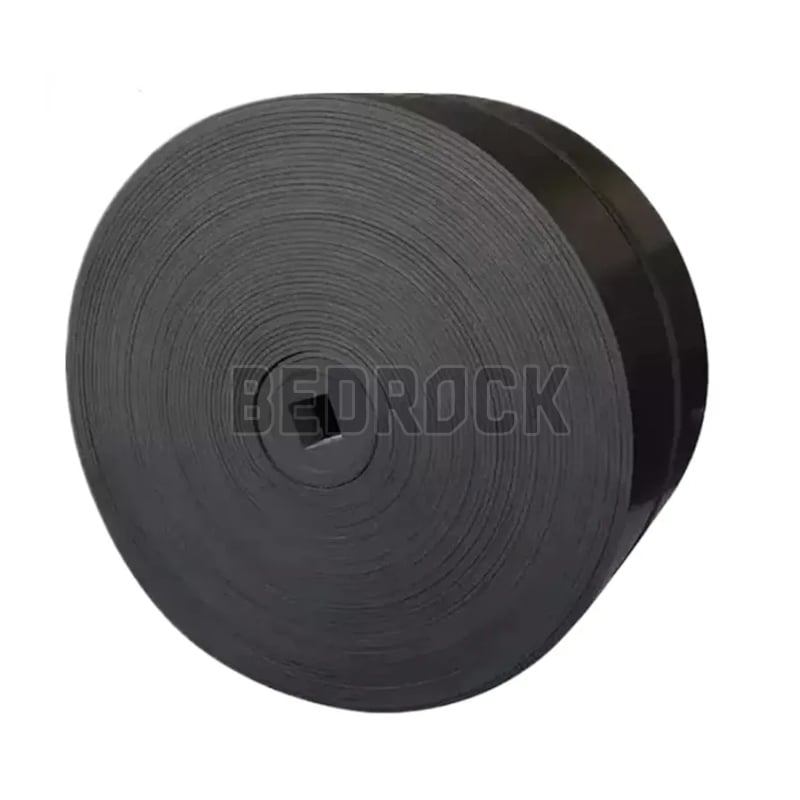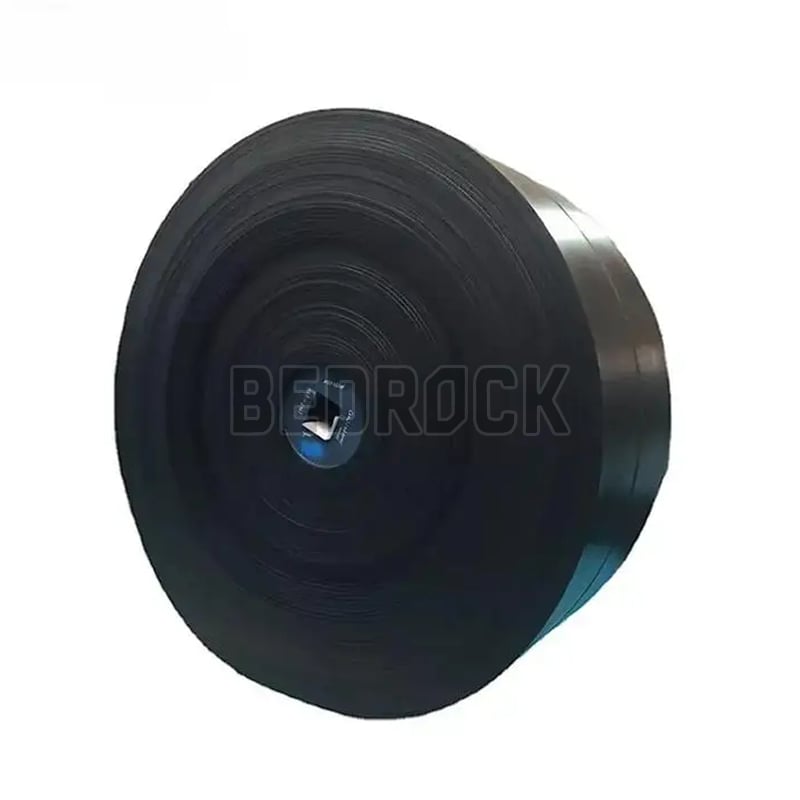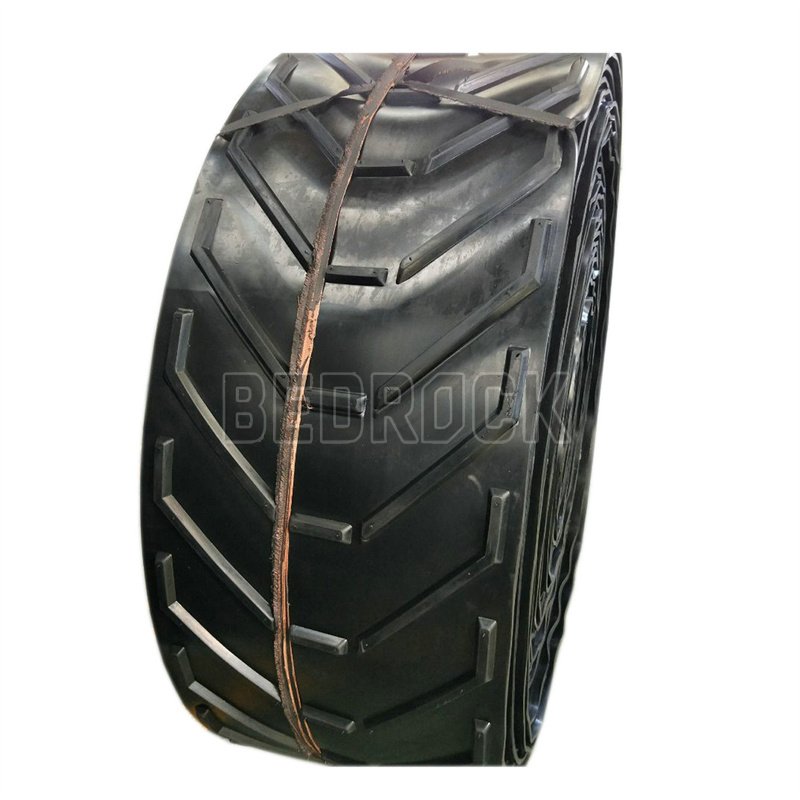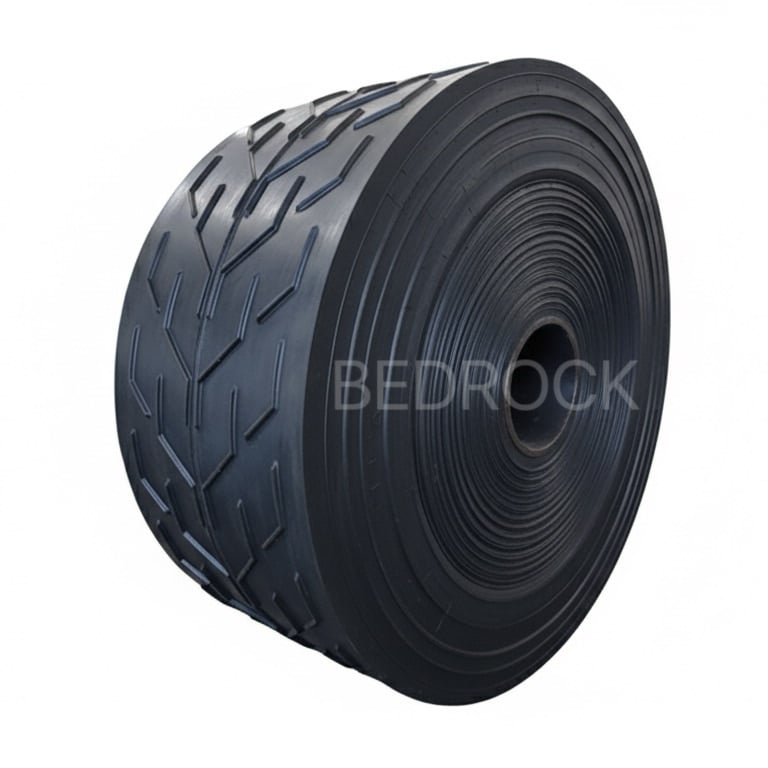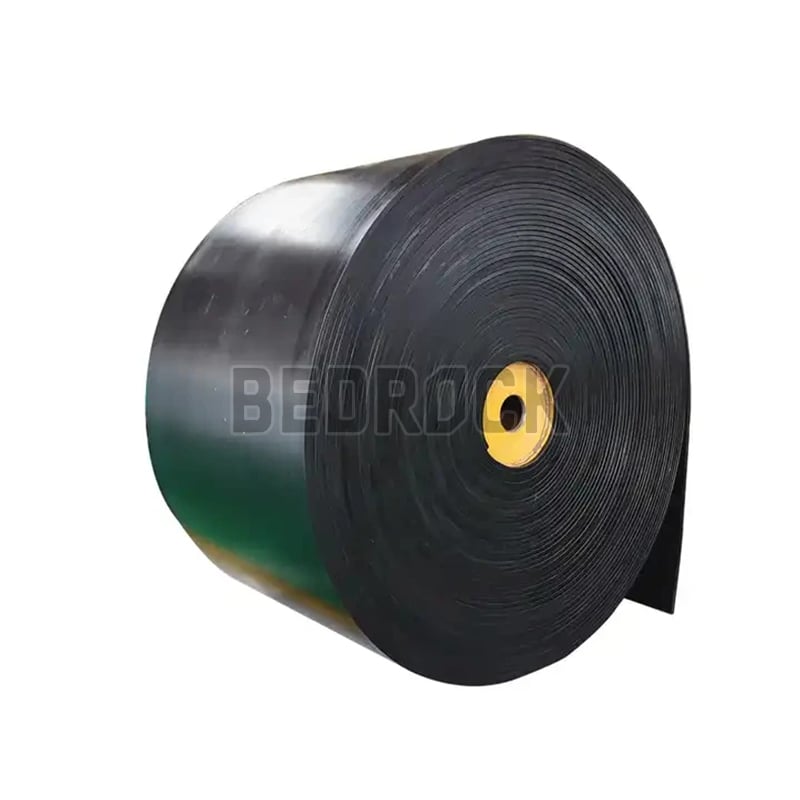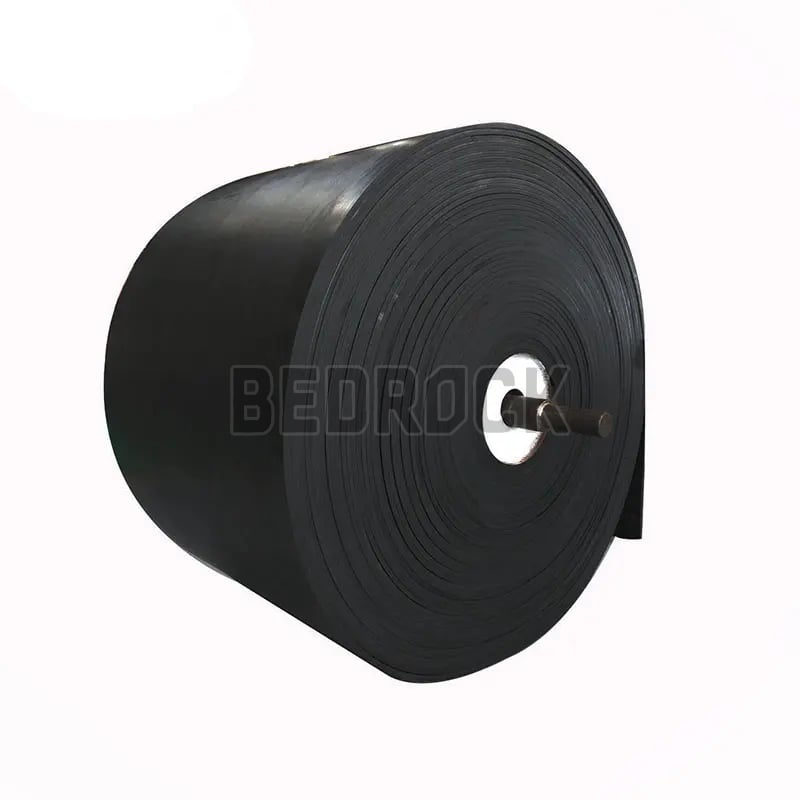
At cement plants, conveyor belts are used daily to transport countless lots of stones and fine particles. They're incredibly important, these belts, partially because they keep the whole manufacturing facility operating efficiently. Without the right conveyor belts, there might not suffice time to complete some jobs, particularly if you have actually a client that anticipates points done when your company says it will be done. BEDROCK produces conveyor belts built to last in demanding cement plant environments. These conveyor belts move tons of material over long stretches of land — even outside, where the weather can wreak havoc. So, it's not simply about moving stuff; it is about doing it securely and efficiently with not a great deal of hassle. We have the tendency to neglect the worth of a perfect belt, but it would certainly conserve countless time and money. So what are the factors to consider to buy conveyor belts for cement plants? And what will be the problems when using them?
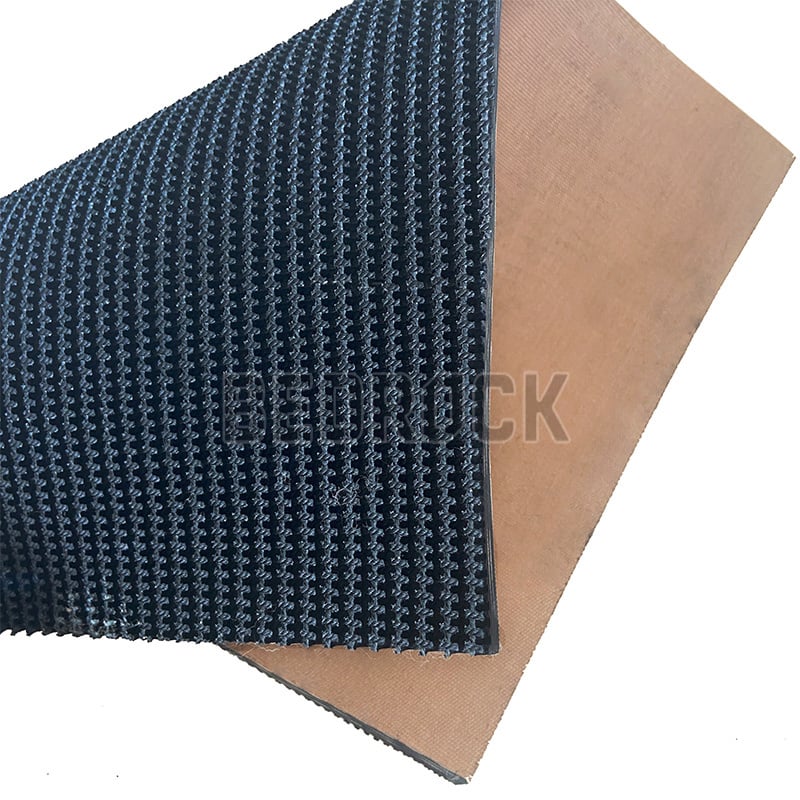
Choosing the right conveyor belt for a cement plant is no easy job. You cannot simply pick up any belt from the shelf. "First," Medina says, "Consider what type of products you will be bring with the belt. Cement plants process hard and hefty products such as rocks, sand, and powder. So the belt needs to be incredibly solid and difficult. Our belts have unique layers that provide cut and tear resistance. This is considerable because, sharp rocks can cut weak belts. The other factor is belt dimension and speed. The conveyor belt, if it’s too slow or too narrow, creates bottlenecks, forcing workers to wait and slowing production. Too fast, and the material may spill over or prematurely wear the belt. Also, the belt's surface issues. For circumstances, some belts require a harsh surface that will hold powdery cement without enabling it to slide off; others need the smoothest of surface areas for fast transport. Weather at the plant's location can also be unpredictable. Routine belts can become weakened by the warm sunlight, rainfall or dirt. For such problems, our company has belts that work remarkably well do not break or slip ("one's trousers"). Sometimes people think that cheaper belts will conserve money, but they can wear out quickly and lead to more quits and repairs. Spending a bit more for quality with a BEDROCK belt means less problems, much less downtime and safer employees. Also, upkeep issues. Choose belts that are easily cleanable and inspect. Because a belt can be difficult to access or repair, small problems can intensify quickly. So, it's smart to spend in a belt that will fit together well with your plant's devices and layout. Keep in mind, a belt is greater than a component; it is the lifeline of your cement plant's material throughput.
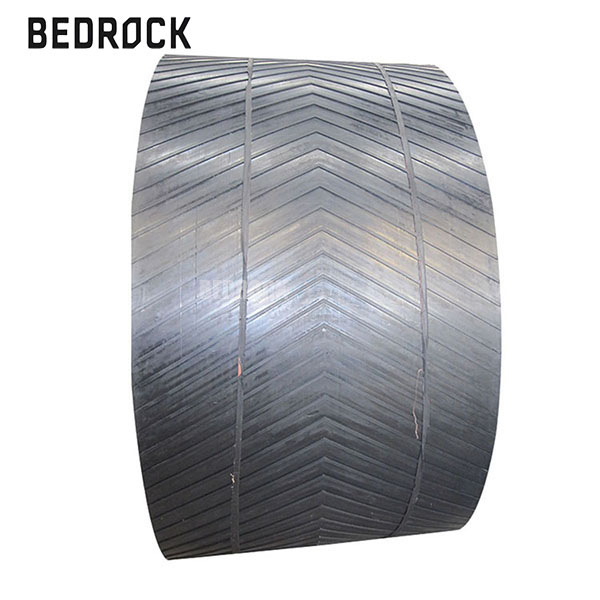
Cement plant conveyor belts can be plagued by problems. Among the most extensive problems is misaligned belts. This occurs when the belt slides off its track and after that massages on the side. Repairs for this range from checking the rollers and pulleys to ensure they are straight. Sometimes, a small shake lodged in the rollers can push the belt from positioning. Our belts include features to assist maintain them focused, but you still need to regularly inspect. Another Issue, they can easily be damaged by harsh products or hefty tons. Reduces, or holes after that produced in the belt slow manufacturing and may be hazardous. A quickie repair job with a spot can work momentarily, but it is finest to change the belt before it obtains any even worse. Belts also experience from heat and dirt. Cement dirt is incredibly fine and finds its way through the belt's layers, thus compromising them in time. I clean/vacuum cleaner the belts and use dirt covers quite often. If there's slippage, it is often because of dirty pulleys or a too-loose belt. If the belt is sliding, tightening up it or cleaning the pulleys could bring an finish for your difficulties. If slippage proceeds to occur, after that you should consider choosing a belt with superior hold. People usually don't look at the problem of their belt until it damages. Durable concrete items for us that are well-kept. So whether you are tearing out and changing an old driveway or looking to use the mowers from season-to-season with minimal aggravation, simply follow these tips! Cement plants are unclean in any sense and the transporter belts they use must be solid, durable and easy to clean. Caring for the belts properly settles in enhanced productivity and safety for all.
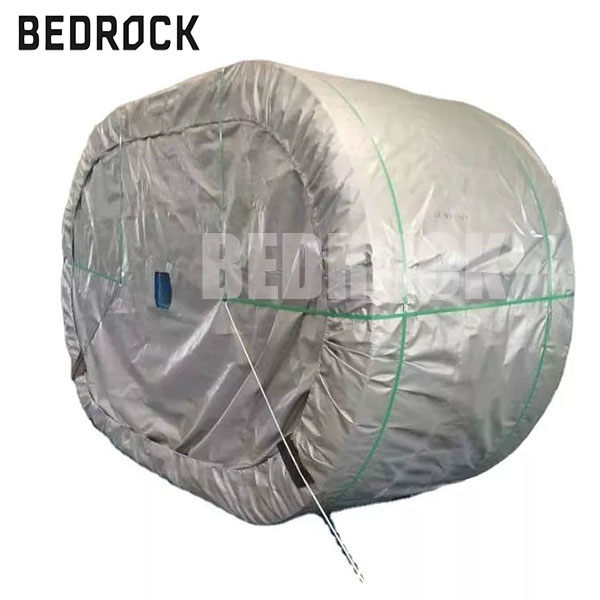
If you run a cement plant, it is imperative to have sturdy conveyor belts that can take the tons you are handling specifically products such as cement powder, sand, gravel and crushed rocks. When it comes to maintaining your manufacturing facility operating efficiently, you cannot beat buying the right conveyor belts. If you're in the marketplace for a brand-new cement conveyor, it is important to find a producer that offers mass material handling solutions which can satisfy the needs and requirements of not just your item, but also completion user. BEDROCK is an outstanding option since our conveyor belts are built to carry a beating and can last lengthy. We sell our belts mass so you can obtain a great price when buying wholesale. Buying from our company means you will receive belts that last and withstand wear & tear in addition to temperature levels of up to 450° F. This is critical since cement plants are often located in severe atmospheres that will cause the belts to wear much faster if they are not difficult enough. When you buy from our company, you receive belts that are easy to install and maintain. Great conveyor belts cut down on failings, which can bring your manufacturing to a stop and cost you money. And our company has belts that are built to transport hefty tons all the time without breaking or extending. Buying wholesale from us will conserve you money and provide you with long-lasting belts to always keep your cement plant working well. By choosing our company you obtain the highest quality, worth and solution, all under one roofing system. This is what helps your plant function better and expand faster as time goes on.
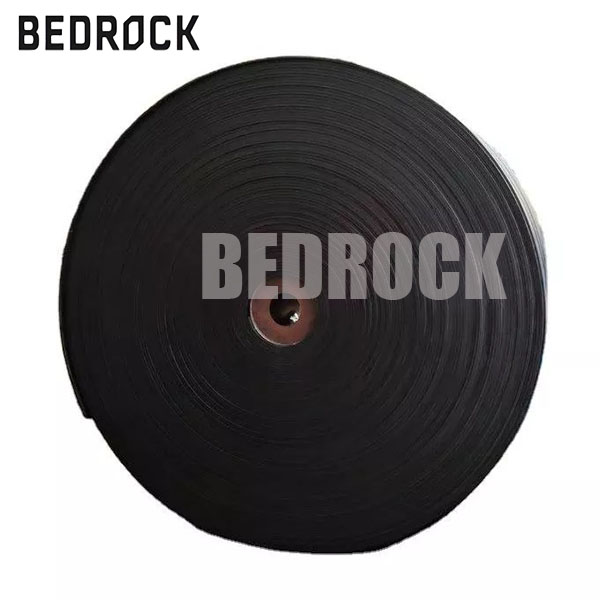
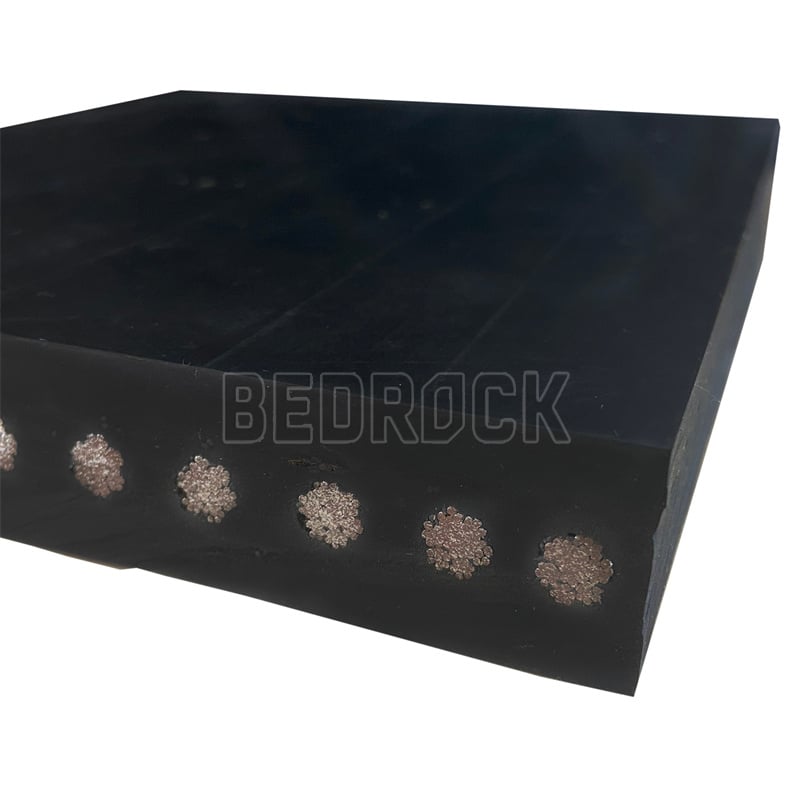
Conveyor belts are truly common in a cement plant. The basic materials (sedimentary rock, clay and sand) are carried by these to the particular plant departments. These products would certainly or else need to be moved manually or with slower, much less safe devices. Conveyor belts help to create manufacturing quicker and safer. When everything is going efficiently with the conveyor belts, using the crusher and wash plant could maintain any operation competing years. In various other words, more cement can be manufactured per hr. Our conveyor belts are made to carry large tons that last a very long time, assisting the cement plant maintain its efficiency. Conveyor belts also prevent material damage throughout transport, as they carry items carefully and uniformly. If items damage or spill, it can outcome in hold-ups and waste. The use quality conveyor belts decreases waste and maintains the plant cleanser. Saving energy is also an important need to use conveyor belts. It takes more power to load products by hand or with older equipment. Conveyor belts use less energy and decrease the plant's overhead. Our steel cord rubber conveyor belt is engineered for maximum energy efficiency to enable greener and more affordable production. Lastly, the workers themselves are safer with conveyor belts. This helps decrease the amount of heavy lifting and manual carrying that must be done, which can reduce both injuries. Great conveyor belts have those safety measures and are made of sturdy material that keep workers and equipment safe. These are just a few reasons why conveyor belts are so important to cement making, they allow companies all over the world make cement cleanly and without risking damage.
Backed by 16 years of specialized R&D and experience in national-level research projects, we develop conveyor belts that exceed industry standards in critical areas such as high-temperature and flame resistance, delivering reliability under the most demanding operational environments.
With an established local leadership team and service network in Saudi Arabia, we offer end-to-end support—from product selection and installation guidance to ongoing performance tracking—ensuring prompt response, clear communication, and minimal disruption to your operations.
We don't just sell products — our experienced team in Saudi Arabia provides customized conveyor system recommendations based on your specific working conditions and industry challenges, ensuring optimal fit and long-term performance.
We measure our success by your operational outcomes. Through continuous follow-up, optimization, and a commitment to total value, we build strategic partnerships that help you reduce downtime, improve efficiency, and achieve sustainable growth together.
 EN
EN