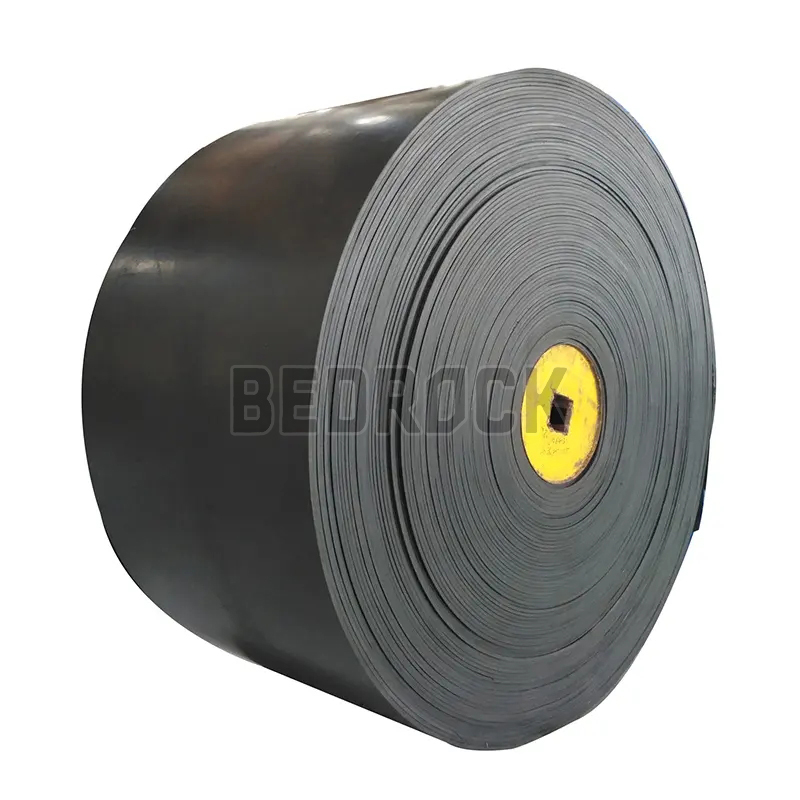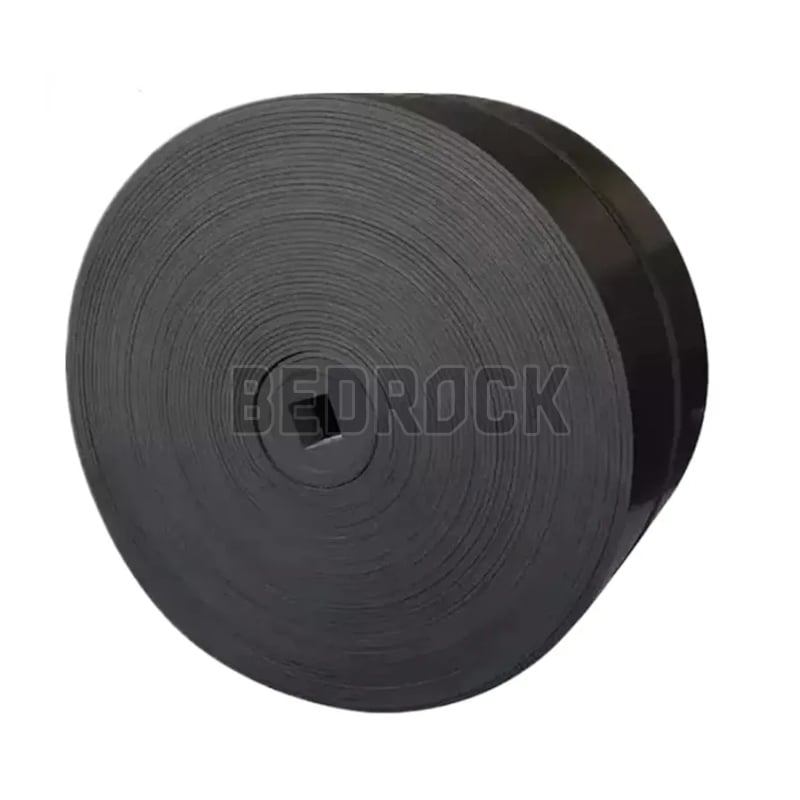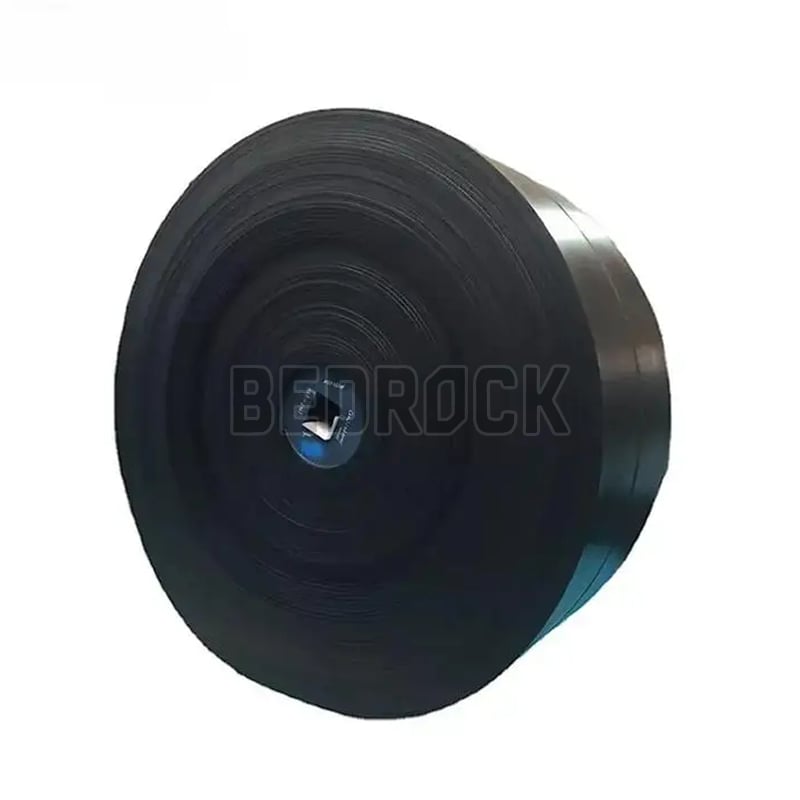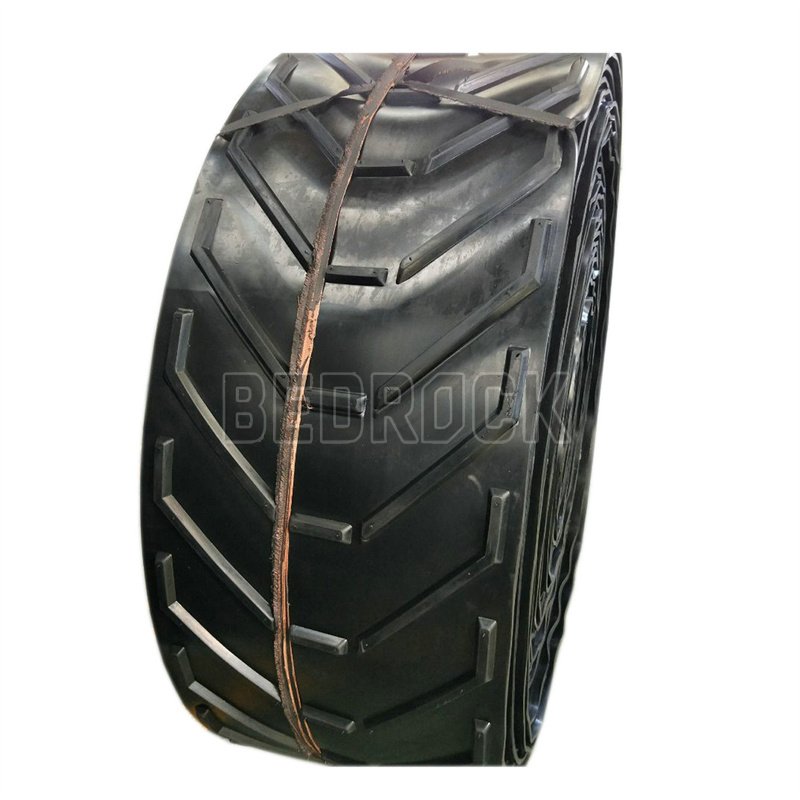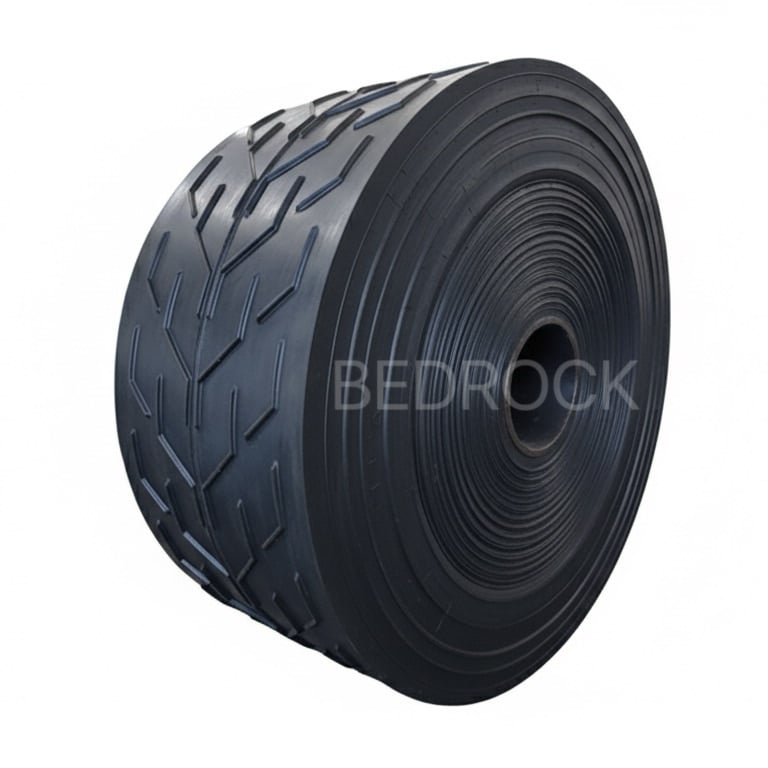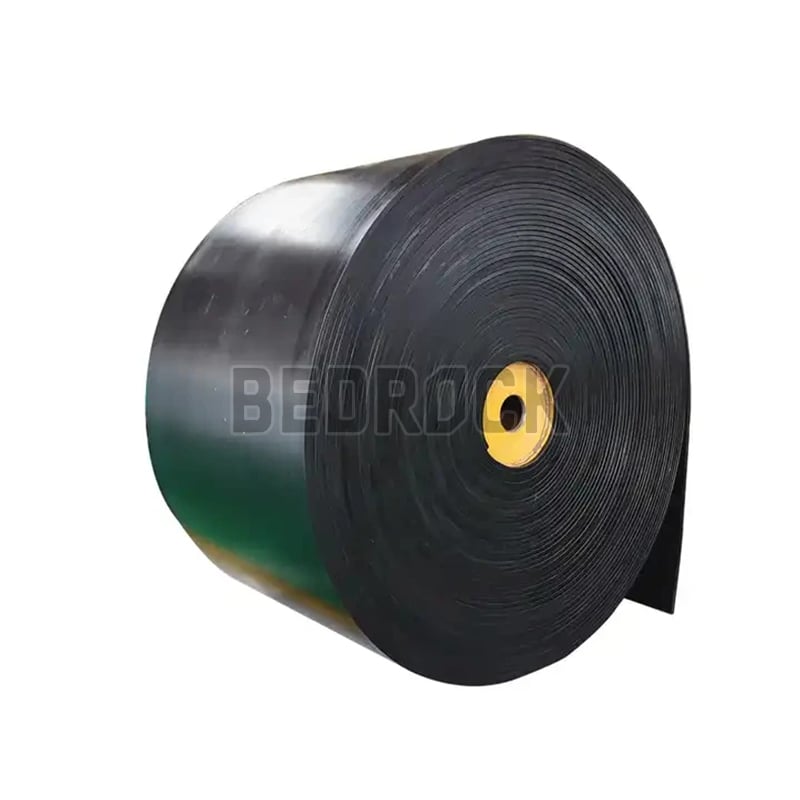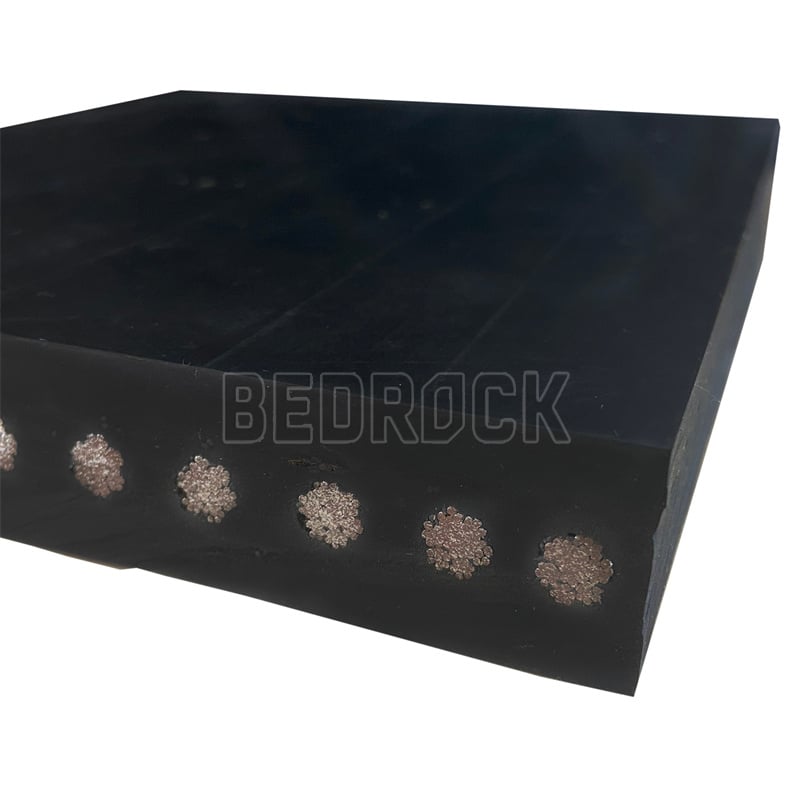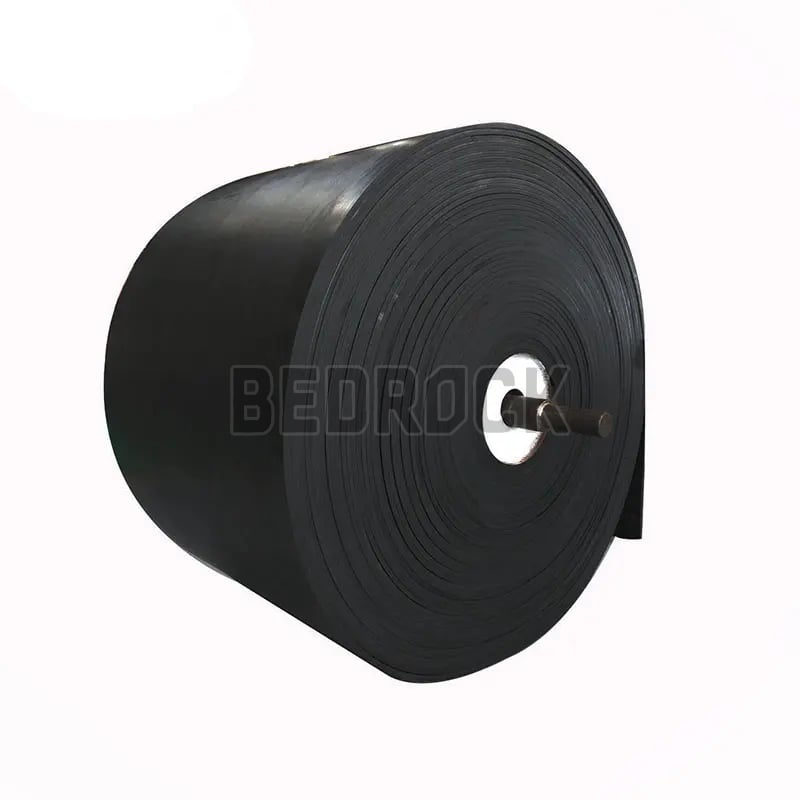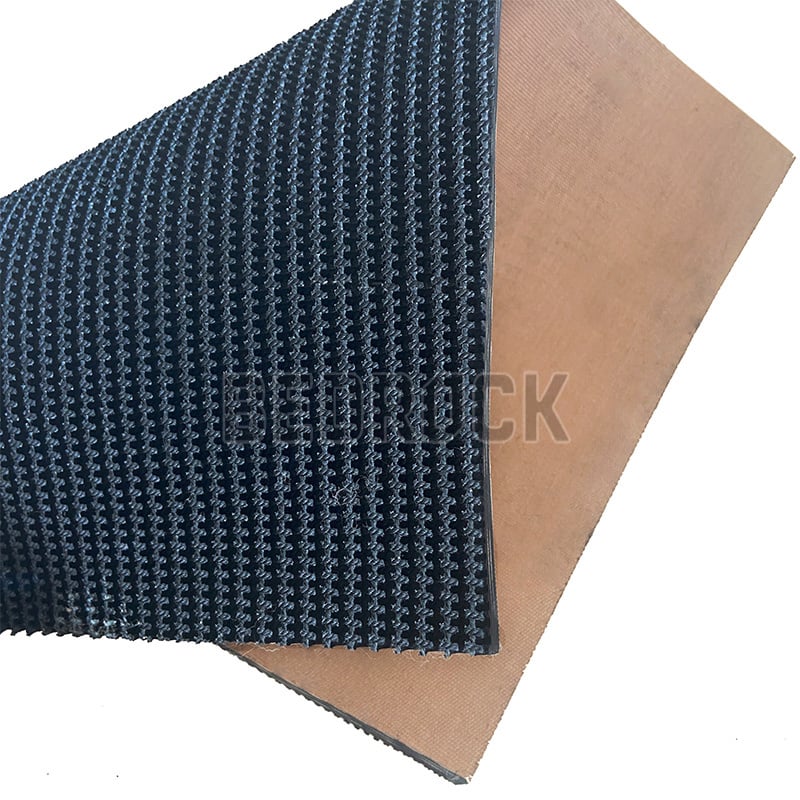
Conveyor Belts in brick industry Conveyor belt is also known as the production conveyor belt in the production chain. They transport heavy bricks and raw materials from one part of the factory to another. Workers would otherwise have to carry bricks by hand, a slow and tiring process without conveyor belts. Conveyor belts, installed to zap the perils and tedium of brick-making. BEDROCK produces tough conveyor belts which we rely upon for transporting heavy loads such as bricks in long-line machines! They are belts that keep a factory running smoothly, allowing workers to do their jobs more easily. The right conveyor belt can save you a lot of time, reduce injuries and increase the number of bricks a factory is able to make in day.
Amid tens of Tlatlayudas, the craft of making brick in a hurry runs smoothly. This is where Heat resistant conveyor belt becomes part of the picture. Conveyor belts are similar to gigantic moving roads that carry bricks from one part of a factory to another, past workers who inspect them and stack them into giant pallets. They save laborers time and effort by not requiring bricks to be carried by hand. Back at the lawn chair factory, our company (BEDROCK) specializes in heavy duty and dependable conveyor belting ideal for brickyard conveyors. These belts are constructed with a lot of resistance to take heavy- duty bricks without breaking or wearing down easily. The belts also function at a consistent pace, maintaining the rhythm of how brickmaking works without any breaks in the action.

Making the whole process less dangerous is probably one of the most significant benefits of conveyor belts in brick factories. Employees are, thus, relieved from the hard lifting of bricks and are able to focus on other tasks. Incidents of injuries are reduced to a minimum and the atmosphere becomes more friendly and comfortable for the employees. Besides that, the belts are made to withstand dust and dirt, which are very common in brick plants. BEDROCK conveyor belts have non-slippery surfaces so that bricks are securely held during the transportation. It also signifies that fewer bricks are falling and getting damaged.
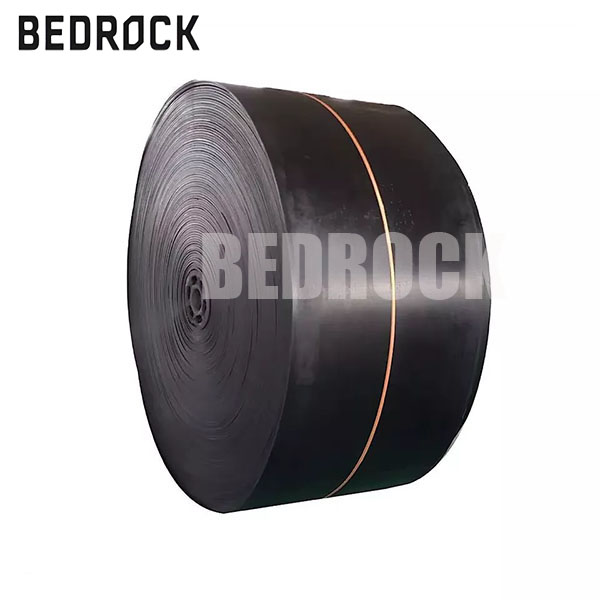
Another reason conveyor belts are great is because they allow the factory to create more bricks a day. Because the bricks keep moving easily down the belt, machines are able to shape, dry and bake them more quickly. That means the factory can fulfill more orders and leave customers satisfied. Costs in installation of BEDROCK Conveyor Belt is low, and they can easily be adapted to numerous machines involved in brick production. Now, thanks to conveyor belts created by BEDROCK, those brick factories can now work faster, safer and smarter.
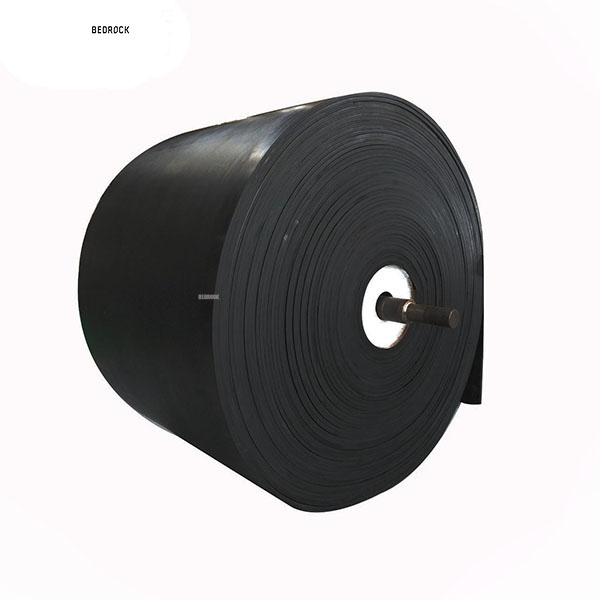
One of the ways bricks are falling off the belt can be a slippery surface of the belt, or bricks that have been misplaced. Contrary to what one may think, water is not making bricks stick to the surface, as BEDROCK belts are specially coated and have a special roughness that anchors the bricks however, workers have to handle bricks with care. In the case of bricks falling still, the speed of the belt can be changed or side guards can be put up.
Backed by 16 years of specialized R&D and experience in national-level research projects, we develop conveyor belts that exceed industry standards in critical areas such as high-temperature and flame resistance, delivering reliability under the most demanding operational environments.
We measure our success by your operational outcomes. Through continuous follow-up, optimization, and a commitment to total value, we build strategic partnerships that help you reduce downtime, improve efficiency, and achieve sustainable growth together.
We don't just sell products — our experienced team in Saudi Arabia provides customized conveyor system recommendations based on your specific working conditions and industry challenges, ensuring optimal fit and long-term performance.
With an established local leadership team and service network in Saudi Arabia, we offer end-to-end support—from product selection and installation guidance to ongoing performance tracking—ensuring prompt response, clear communication, and minimal disruption to your operations.
 EN
EN