 EN

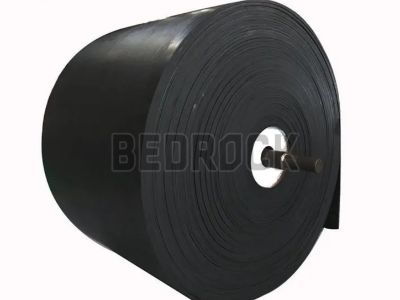
Mixing plant belts assume a significant part in the creation of concrete. They also help move sand, gravel and cements to the mixer much more efficiently. Time is critical in the construction of concrete. A good conveyor belt makes all the difference. At BEDROCK, we get how critical it is that any cast surface can withstand the pressure and hard use required by concrete production. Keep your project moving with our industrial conveyor belts.
High Volume Concrete Production - What You Need to Know
If you would like to make a lot of concrete, there are some things that you will need to take into consideration. Here’s the first thing: It’s a question of speed how fast your conveyor belt is. The bottom line is that a faster belt can carry more material in less time. This is important on busy days when we have a lot of projects going at the same time. And take the size of the belt into account, too. The more massive belt, the more materials you can transport at one time, thus making your conveyors shorter and saving you capital. But don’t overlook the amount it can hold. If the belt is too weak, it may break under heavy uses. Here at BEDROCK we ensure our delivery belts are tough and long lasting.
You’ll also want to consider the layout of your mixing plant. The location of the conveyor belts could determine how freely materials are able to move. If the belts are situated correctly, there are no delays if a material travels from one spot to another. And don’t overlook maintenance. A maintained belt will perform and last longer. Consistent monitoring can detect problems before they become large. All of these elements combine to result in a high-capacity production atmosphere. It’s also helpful to think about what you need, and how you might work at getting better. At BEDROCK we want to assist you in making the best decisions for your concrete production line.
How To Select The Right Conveyor Belt For Your Concrete Plant?
It might seem like picking the perfect conveyor belt is impossible. Begin by considering the materials you’re using. Various materials require different belts. For example, if you are transporting heavy gravel, you need a stronger belt than when transporting sand.
Bringing it to the next level, think about how long the conveyor belt is. You may need a longer belt if your mixing plant is stretched out. But remember, longer belts may also mean slower speeds. You want to aim for a good balance that suits your setup. Durability is another important factor. Restrish belts should be constructed from high-quality materials that are built to last. This will help them to last longer and keep your bank balance healthy.
Finally, consider how it mounts. Some belts are better in terms of installation than other belts. For those who don’t have much time, you might want go with a belt which is easy to set up. Learn whether your new conveyor belt provider, such as BEDROCK, can assist with installation or offer instruction. Choosing the right conveyor belt entails a lot of attention and weighing of factors, but it will be well worth the trouble if you end up with one suited to your concrete production requirements.
Several Practical Issues Now We Commonly Have about Conveyor Belts in the Mix Concrete Plant
In concrete mixing plants, conveyor belts are also considered extremely useful as they help move materials (like gravel, sand and cement) from one spot to another. There are some common issues you can encounter with these mining belt conveyor, however. One problem is that the belts they use can be slow. This might be happening because there are too many items on top of them, or something is blocking their way. When one belt gets caught, it can slow down the entire mixing operation, and that is not what you want when you are mass producing. Another issue is wear and tear. A conveyor belt can become progressively more worn out over time with regular use. That means it might not work as well and could even break. If a belt breaks, it can be expensive and slow to repair. At times, the substances that are being transported can adhere to the belt. This can make it difficult for the belt to function as intended. If anything gets stuck, it can lead to clumps or clogs that might result in an uneven mixing process. To circumvent these problems, routinely scan conveyor belts. Prevent issues by maintaining their cleanliness and proper condition. It’s also a good idea to teach workers how to use the belts properly. That helps to assure that when everybody does operate the machinery, they do so safely and efficiently. At BEDROCK, we get these challenges and are working hard to offer solutions that can: prolong conveyor belt life and reduce maintenance costs.
What High Capacity Conveyor Belts are Indispensable for Your Mixing Plant
Conveyor belts with a large capacity are particularly important for mixing plants that produce a lot of concrete. These belts are made to transport the material large distances rapidly. The more sand and gravel a plant is able to move, the higher-capacity belt you’ll need. This enables the plant to produce more concrete in less time, which is ideal for fulfilling large orders. If a plant is bustling and must pump out lots of latex, high-capacity conveyor belts might enable it to keep up with the demand. High-capacity belts are also critical to keep costs down. Time is money, in other words, and if a conveyor belt can move more of one thing quicker than another, which saves both time and money. The less time that has to be dedicated to moving materials, the more time workers can spend mixing and fulfilling orders. This kind of efficiency is a boon to business, and businesses thrive. Large-capacity conveyor belts also result in higher-quality concrete. Materials are mixed more uniformly if they flow rapidly and smoothly. The consequence is a sturdier and more dependable concrete. With BEDROCK, we know the equipment you need including high-capacity rail belts to run your concrete mixing site. These belts help plants work more efficiently and enable the production of higher-quality products.
What to Consider When Buying Conveyor Belts for Concrete Production
What are the keys to selecting the right conveyor belts? Use these three considerations to find a solution that simplifies your business Picking the Right Conveyor Belts for Concrete Batching Plants When choosing a concrete conveyor systems, you need to consider. Begin your search for belts that are constructed with sturdy materials. Concrete is heavy, and the belt should be strong enough to support its weight without snapping or getting worn down. A good sturdy belt is long lasting, and you won’t have to do too much maintenance on it which will help save you money down the road. Two, the size of the belt. The belt width and length can be tailored to fit your cement batching plant. If the belt is too small, it may not be able to transport a sufficient number of materials and if it is too big, it will occupy excessive space. It’s necessary to get the right fit so everything runs smoothly. Third, make sure the belts have non-stick features to avoid clogging and blocking. Some belts have special surfaces or designs that help things slide off of them. This will help prevent any issues of clogging and enable the mixing to continue. In addition, it can be advantageous to use conveyor belts that are easy to clean. Your concrete materials could make a big mess, and you can clean the belts and have everything nice to keep working pretty well. Lastly, consider the company behind the belts. Companies such as BEDROCK, have a reputation for quality and reliability. You want to partner with a brand offering superior customer service that can answer questions or troubleshoot issues if they arise. When looking for these key features, you can find a great conveyor belt for your concrete manufacturing requirements.
Table of Contents
- High Volume Concrete Production - What You Need to Know
- How To Select The Right Conveyor Belt For Your Concrete Plant?
- Several Practical Issues Now We Commonly Have about Conveyor Belts in the Mix Concrete Plant
- What High Capacity Conveyor Belts are Indispensable for Your Mixing Plant
- What to Consider When Buying Conveyor Belts for Concrete Production