 EN

Saudi Mining Is Buying Processing Capacity, Not Just Tonnage
Saudi Arabia's mining equipment spend keeps climbing, but the growth sits downstream: crushers, screens and the conveyor belt lines that feed them. That shift raises the bar for any conveyor belt supplier Saudi Arabia can reach on site, because tonnage now rides on fixed belts with no spare capacity when one fails.
Quick answer
- Processing equipment is forecast to grow faster than hauling in Saudi Arabia from 2026 to 2031, which puts more conveyor belt meters downstream of the crusher.
- Local content rules are moving procurement toward suppliers with in-Kingdom service capacity, not only a competitive unit price.
- On a crusher plant conveyor belt, splice quality drives uptime more than the belt's headline price does.
Processing is where the conveyor belt load grows fastest
A Saudi market estimate published in October 2026 values the country's mining equipment market at USD 7.75 billion in 2026, rising to USD 10.28 billion by 2031 at a 5.83% CAGR. The detail worth reading twice sits one level down: processing is forecast to grow at 6.22% CAGR over 2026–2031, faster than hauling and the support functions around it.
Licensing points the same way. Saudi Arabia issued 61 exploration licenses in 2025, the widest release of mineral acreage since the sector opened. Licenses turn into drilling, then into concentrators, crushers and stockyard conveying. Every one of those stages moves rock on a conveyor belt.
For a plant engineer the consequence is plain. Tonnage that used to leave the pit on trucks is increasingly handed to a fixed conveying line, and a conveyor belt on that line has no standby unit the day it fails.
Crushers are the hardest duty on any belt
Run-of-mine material reaches the primary crusher with sharp edges, variable lump size and, in Saudi operations, grit and heat. Transfer points absorb the impact. A conveyor belt specified for screened aggregate fails early when it is asked to carry unscreened feed.
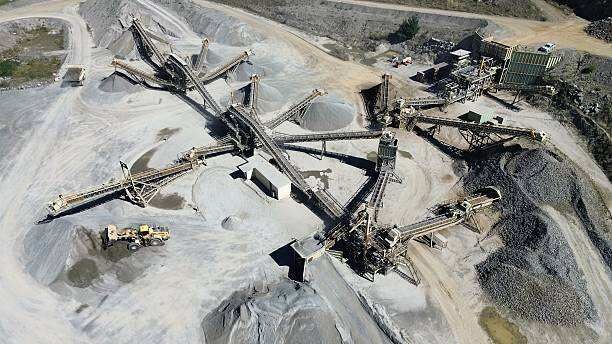
Three failures repeat across quarry and cement sites:
- Cover rubber worn through at the loading point, carcass exposed, water ingress follows
- Edge damage and longitudinal rips from tramp metal
- Splice separation, which stops the line longer than a planned belt change
The last one is the expensive one. A belt is a wear item with a predictable life. A joint is a workmanship item, and its failure mode is unplanned.
What buyers screen a conveyor belt supplier on now
Local content rules are pushing equipment suppliers toward Saudi-based parts warehouses and assembly, and that is shifting buying toward vendors with in-Kingdom service capacity and training capability, according to the same October 2026 market read. In practice the questions in a tender have moved from price per meter to:
- Who attends site when a splice opens at 02:00?
- Where are spare rolls and splice kits held?
- Who signs off the joint, and against what measurement?
Those three questions decide the real cost of a mining conveyor belt far more than the quote sheet does. BEDROCK answers them from Dammam. The company is the overseas brand of Kilomega, whose factory in Ningbo has 16 years of belt material and process work behind it, while the Saudi side carries the local engineering and belt splicing function rather than acting as an order desk.
The belt splicing scope, in concrete terms
BEDROCK's technical service line covers the work that decides whether a line holds its availability target:
- Hot vulcanization splicing, stated at over 90% splice efficiency, with on-site guidance from belt deployment through commissioning.
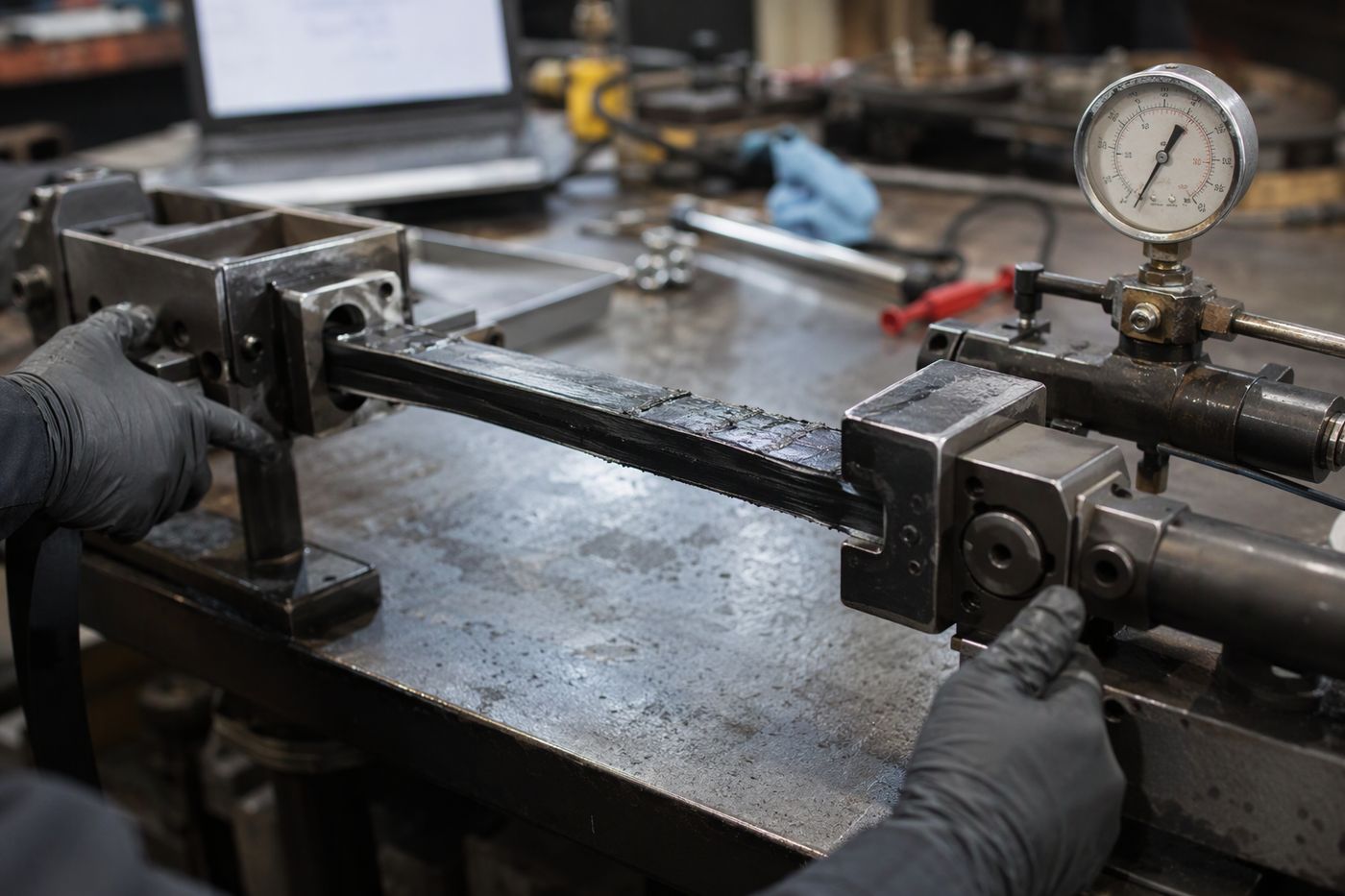
- Splice non-destructive testing and evaluation, using portable tension testers and peel strength measurement, so a joint is signed off against a number instead of an opinion.
- Vulcanization process optimization and fault diagnosis, including root-cause work on joints that keep failing at the same step.
- Customized vulcanization strategies matched to belt type, carried material and operating condition, including heat, oil and abrasion duty.
- 24/7 emergency repair and rapid response, splice maintenance tracking across the service life, and hands-on training for the customer's own maintenance team.
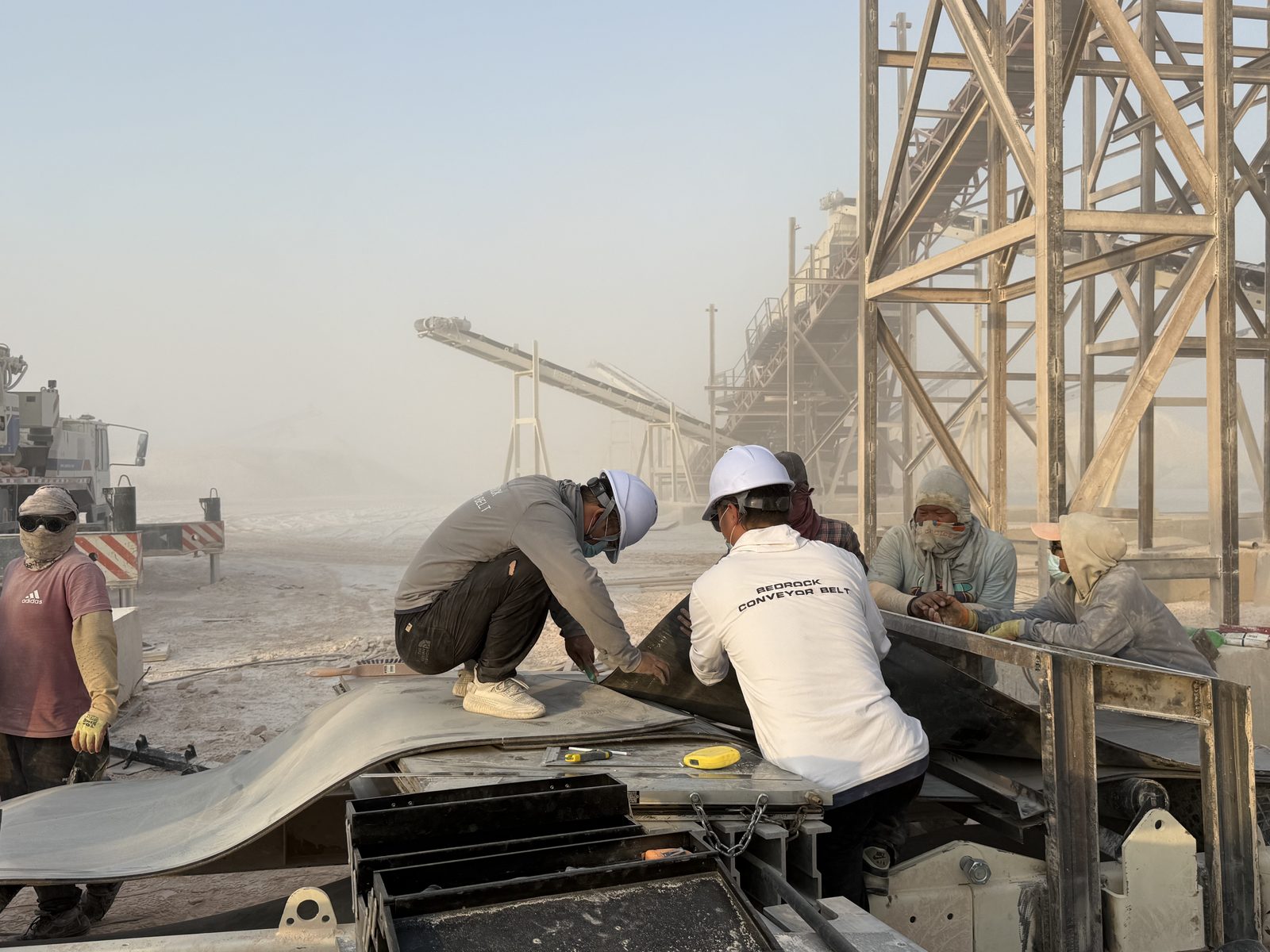
For a plant that runs four or five conveyor belt sections in series, that scope matters more than any single product line, because one failed joint stops every upstream section at once.
What that means for your conveyor belt specification
Quarry and crusher lines: an abrasion resistant or anti-tear construction at the loading zone, with ply count and rubber grade set to the actual feed rather than to a catalog default. The abrasion resistant conveyor belt range is the usual starting point; anti-tear construction is the alternative for primary crushing duty.
Long overland and plant-to-stockpile runs: steel cord construction carries the tension without the stretch fabric belts show over distance. The steel cord conveyor belt page lists the ST classes used in these layouts.
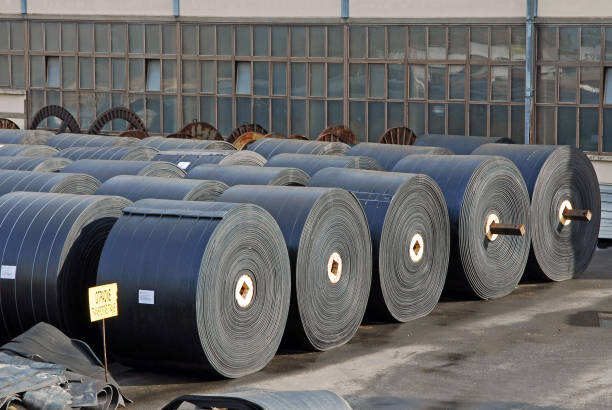
Cement and clinker: heat is the constraint, not abrasion alone. T2 heat resistant construction is the common starting point for clinker handling, documented in this cement plant conveyor belt replacement project.
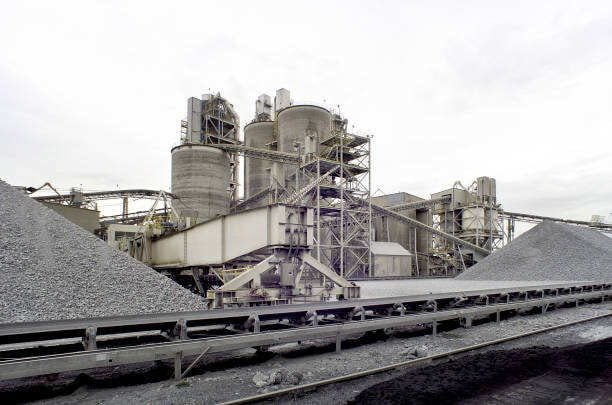
In all three cases the belt and the joint should be specified by one party. Splitting them between a belt trader and a local splicing contractor is how plants end up with a warranty argument instead of a running line.
Belt warranty and service terms you can check
The published position on the BEDROCK site, in a form a procurement team can audit:
| Item | Published position |
|---|---|
| Belt warranty | One year under normal operating conditions, covering delamination and core breakage |
| Warranty exclusions | Normal cover rubber wear; punctures and cuts caused by external factors |
| Splice warranty | Separate one-year warranty on hot vulcanized jointing |
| Remote support | Technical consultation answered within 24 hours |
| Breakdown response | Committed on-site arrival window for downtime-critical failures, with an emergency channel opened |
| Spare parts | Local stock held in Saudi Arabia |
| Design life | 1–2 years under normal conditions with proper maintenance, based on field experience |
None of this replaces a site survey. It does tell you which industrial belt supplier has written down what happens after the invoice, and how quickly a conveyor belt problem gets answered.
FAQ
Q: Does BEDROCK supply belts only, or also the splicing?
Both. Belt supply and hot vulcanization splicing sit with the same technical team, with splice efficiency stated at over 90% and joint integrity checked by peel strength and tension testing.
Q: How fast is technical response after a breakdown?
Remote technical consultation is answered within 24 hours. For a failure that has stopped production, the commitment is a defined on-site arrival window and an emergency channel, backed by spare parts held in Saudi Arabia.
Q: What does the warranty actually cover?
One year under normal operating conditions for delamination and core breakage on the belt, plus a separate year on hot vulcanized joints. Normal cover wear, and damage from external punctures or cuts, fall outside the belt warranty.
Get a specification review before your next shutdown
Send the conveyor belt width, carcass type, measured operating tension, material and transfer-point description, and the team will come back with a construction recommendation and the splice method that fits it. If the line is already running, ask for the joint to be tested rather than inspected. Start from the contact page or message the Dammam team directly on WhatsApp.
📱 WhatsApp:+966 56 171 7029
✉️ 邮箱: [email protected]
🌐 网站: www.bedrockco.sa