 EN
EN

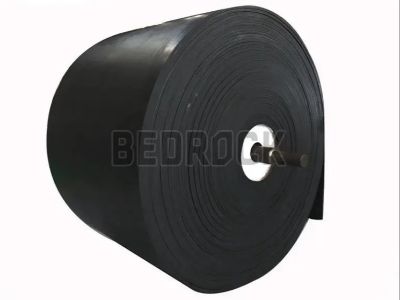
Conveyor belts are important in the production of concrete and asphalt, but they are not necessary for mixing plants. These conveyor belts can transport materials in and out of each continent fast and safely. At BEDROCK we understand the critical requirement for these heavy duty machinery products and we know how crucial a conveyor belt is in this industry. They ensure that everything that goes into the mix sounds good. Just try to build a road without the necessary material ending up in the right place! That would be quite a mess. Our conveyor belt are here to help bring everything together and make it easier for employees to complete tasks.
What are the Main Advantages of Concrete and Asphalt Mixing Plant Conveyor Belts?
Concrete and asphalt being transported on mixing plant conveyor belts. First, they save time. We don’t have to lift heavy loads by hand, for example — we can use conveyor belts to zip them around instead. This also results in faster times to completion on projects. For example when you have to construct a road, the conveyor belt will make it possible to get sand, aggregate and other materials directly in the mixer where they need to be delivered without any unnecessary time loss. Second, conveyor belts are safer. By avoiding the need to lift heavy loads, there is also a reduced risk of accidents and injuries among workers. Safety is a priority in construction, and using conveyor belts can help keep everyone involved safe on the job site.
Thirdly, these conveyor belts are dependable. They do their job all day, every day and don’t ask for a whole lot of attention. BEDROCK’s belts are designed to last. They’re tough enough to withstand the weight of concrete and asphalt mixing, without cracking or crumbling. This is reliability that combats downtime and allows companies to continue working without any delays. Another key benefit is flexibility. Conveyor belts can be made to receive and handle any asphalt plant Retrofit. Whether a company needs to have a long belt or short one, we provide modification options. That makes it easier for companies to use the equipment that is best suited to their setup. Lastly, conveyor belts can save you money over time. Faster work means fewer accidents, and companies can get more done while making more money. Good conveyor belts can be the best investment in every mixing plant.
In what way you will select the perfect conveyor belts for your mixing plant?
It is just crucial for you to choose the right conveyor belt for your mixing plant. First, consider the materials you want to work with. If you are moving heavy product like stone or could and the belt must run up an incline, this is a situation where you’d require a strong belt. At BEDROCK, we offer different types of conveyor belt fabric to meet the material requirements. It’s crucial to pair the materials with the right belt. Another thing to consider is the length of the belt. You may need long belt or short once as per your mixing plant. Determine the distance from the place where materials are stored to where they must be carried. This describes the best size for you.
Next, think about maintenance. A few conveyor belts require more attention than others. Seek out belts that are easy to clean and care for. It will save you time and money going forward. Also take into account the speed of the conveyor belt. For some projects, you may want belts that move faster to keep up with the onslaught of work. Review the specifications to determine how quickly you can move materials below the belts. Finally, think about the cost. It’s the holidays and everyone is traveling, but now is not the time to be a thrifty traveler. While you do want to find a comfortable deal, always remember that it isn’t smart to go for paying the minimum price that will result in discomfort when cheaper does not mean better. Spending money up front will make for fewer issues during the lifetime of your conveyor belts. At BEDROCK we know that a one-size fits all concept does not apply to every plant. It's our job to make sure that whatever you need to do your job, you can - with the best possible results.
Several Related Common Use Problems of Mixing Plant's Conveying Belt and How to Solve Them
Concrete and asphalt mixing plants use conveyor belts to move process materials. But there are also issues that can make the belts less effective. One problem often mentioned is wear and tear. Conveyor belts see a lot of use each day, so they can wear down over time. A worn-out belt can also lead to work delays. Another problem is misalignment. If the belt isn't straight, it can cause slipping and even fall off the rollers. This can halt production and make a mess. To address these issues requires frequent inspection of the belts for wear and tear. Check for cracking, fraying or thinning. If you notice any of these problems, it’s best to replace the belt before it causes a larger issue.
Proper alignment is also key. Be sure to center and tension the belt. This can help avoid slipping and ensure production runs smoothly. Another problem may be material accumulation on the belt. Occasionally dust and residue can adhere to the surface of a belt, compromising its ability transport materials. To address this, it is a good practice to clean the conveyor belts often. A broom or air hose can be used to keep the belts clean and functioning properly. And the right kind of belt can help a lot too. Here at BEDROCK we are dedicated to producing conveyor belts for the solid set conveyors that run in some of the harshest environments around. By monitoring these issues and taking the necessary steps to resolve them, operators can reduce waste time and optimize their conveyor’s efficiency in order to extend the life of the belt and other components.
Key Considerations When Buying Wholesale Conveyor Belts for Mixing Plants
When sourcing the wholesale conveyor belts for plants, There are a few things that you need to consider. The material of the belt is one thing to consider first. Conveyor belts are available in rubber and PVC materials. Rubber belts are strong and can pave loads, so they are extensively used in mixing plants. PVC belts can be lighter and easier to clean, but they might not last as long as rubber. The material you select should fit your specific needs. Width and length of the belts are another thing to consider. You want to ensure the belts are both going to fit properly on your mixing plant. Step 1Measure how far the belt has to travel and select a width that can deliver that amount of material.
The belt's strength and thickness also matter a great deal. A thicker belt can accommodate a heavier weight load and is less likely to wear out prematurely. When sourcing wholesale belts, search for vendors, such as BEDROCK who offer supreme quality products. It’s also good to inquire into the belt’s specifications like its load capacity and resistance to heat or chemicals. This can save you time and money by selecting the belt for your plant. Additionally, consider the supplier’s reputation. Look at reviews or find out from other businesses how they did. A reputable supplier will have excellent customer service and help you pick the best belts for what you need. And don’t forget to compare prices, too. And though you’ll want to stick within your budget, know that the cheapest choice isn’t always the right one. By selecting quality conveyor belts, you can actually end up saving money in the long run with reduced maintenance costs and less down time.
8 Ways to Extend the Service Life of Your Mixing Plant’s Conveyor Belt
If want to ensure that your mixing plant conveyor belt last for many years, then you should properly maintain it. First, regular maintenance is crucial. Look over the belts frequently for damage. Inspect for any cracks, frayed edges or any other damage. If you see something wrong, fix it immediately. That can prevent minor setbacks from becoming major obstacles. Keeping the conveyor belts clean is a good idea as well. Dust and particles can accumulate, and the belts will wear out more quickly. Regular cleaning with broom or air hose can help keep the belts in good condition. There we suggest establishing a schedule for cleaning to help ensure your belts perform well.
Tension is one more component to longevity. Check the tension adjustment of hammock. The rubbing strip should not be too tight or too loose. When it is too tight, this can put unnecessary tension on the belt and the motor. If it’s too loose, it might slide off and wear out faster. The most important setting is tension, keep everything in balanced as the manufacturer’s instructions indicate. Also, the belts service environment can have an impact on belt life. The materials of the belts can be affected by where your mixing plant is installed, whether it’s extremely hot or cold. Make sure the belts you select are built for high heat applications. And last but not least, you need to train your employees on how to use the conveyor belts properly. Ensure they know how to use the belts and what they require by way of maintenance. And with the right maintenance, your mixing plant conveyor belts can continue to operate efficiently for many years, enabling optimum performance.
Table of Contents
- What are the Main Advantages of Concrete and Asphalt Mixing Plant Conveyor Belts?
- In what way you will select the perfect conveyor belts for your mixing plant?
- Several Related Common Use Problems of Mixing Plant's Conveying Belt and How to Solve Them
- Key Considerations When Buying Wholesale Conveyor Belts for Mixing Plants
- 8 Ways to Extend the Service Life of Your Mixing Plant’s Conveyor Belt