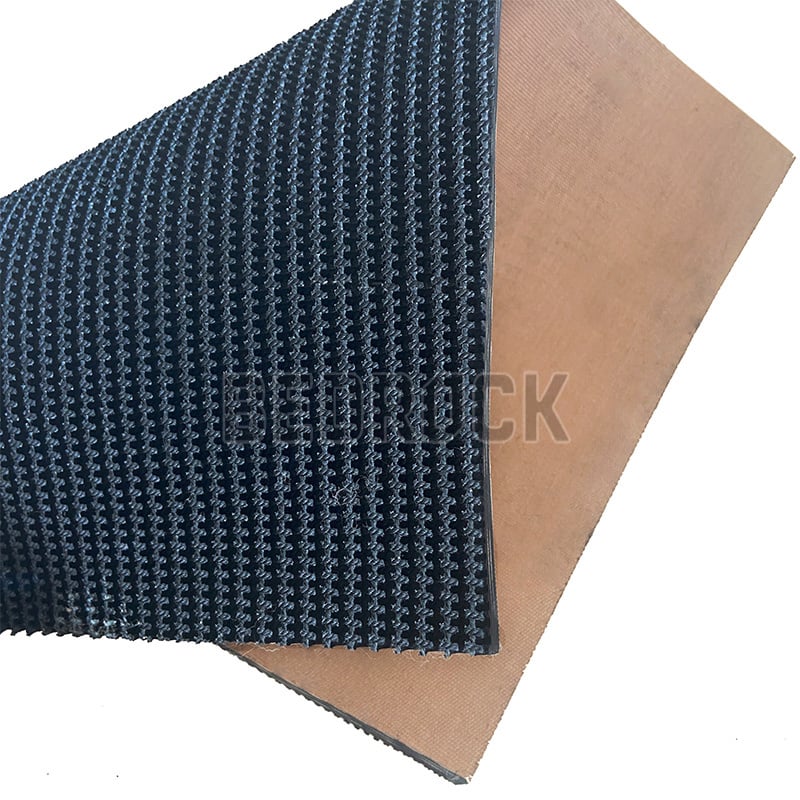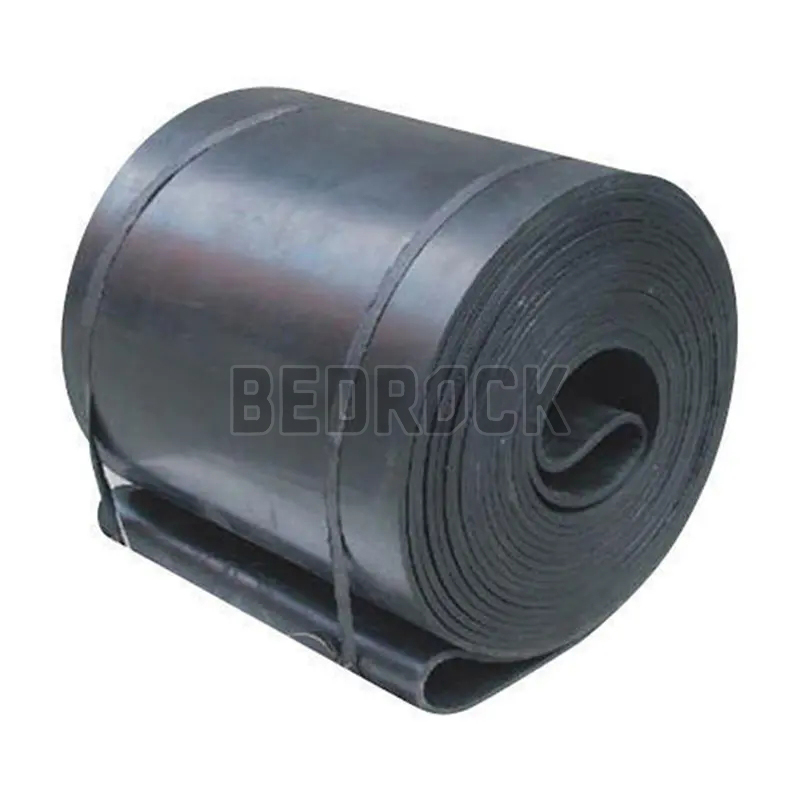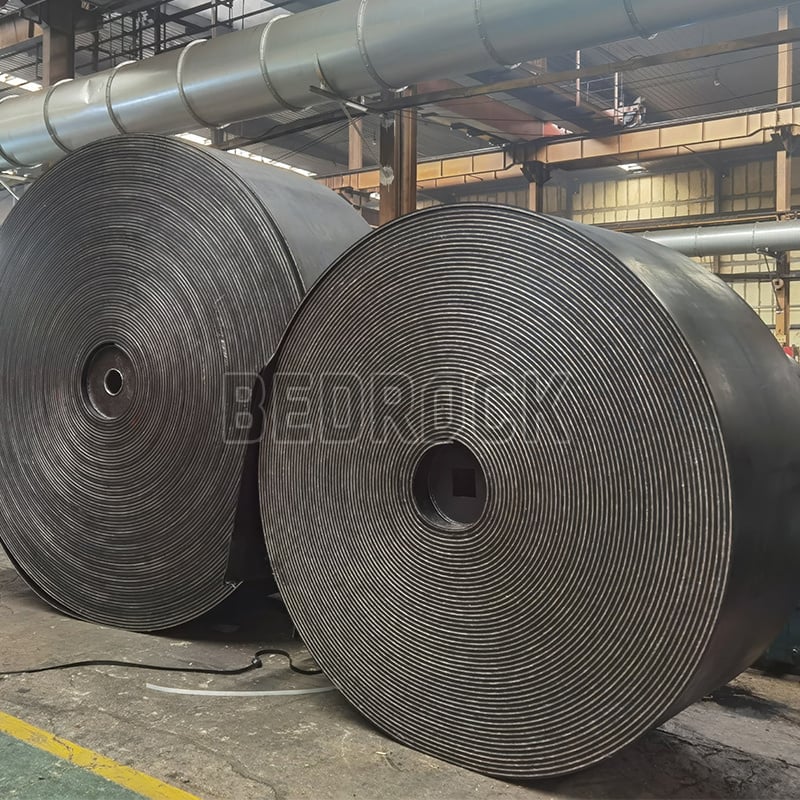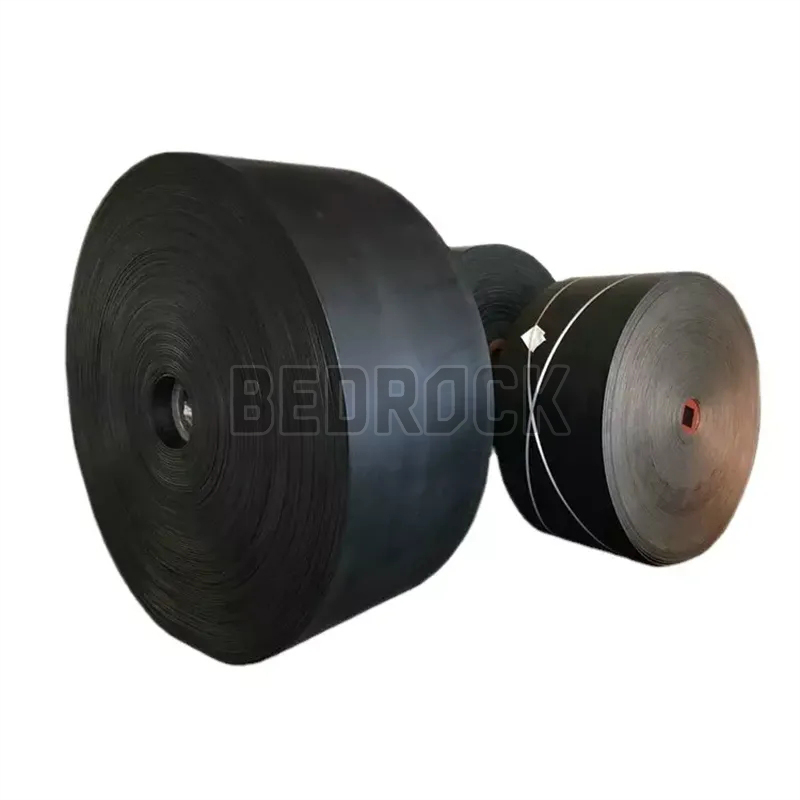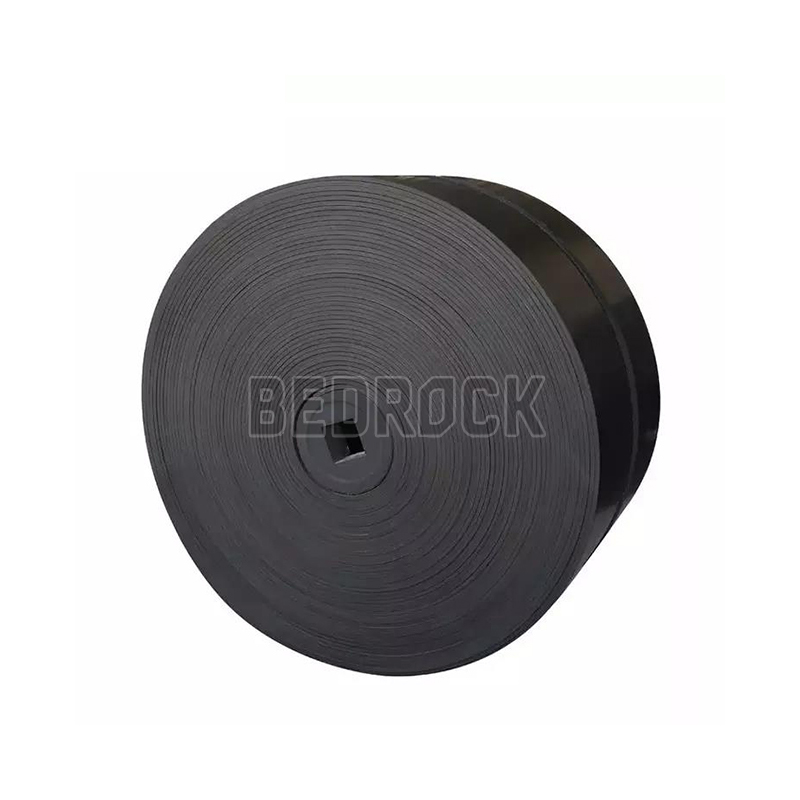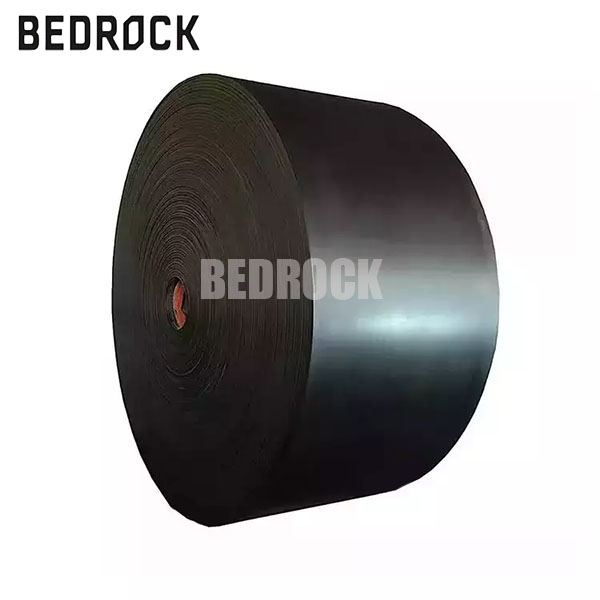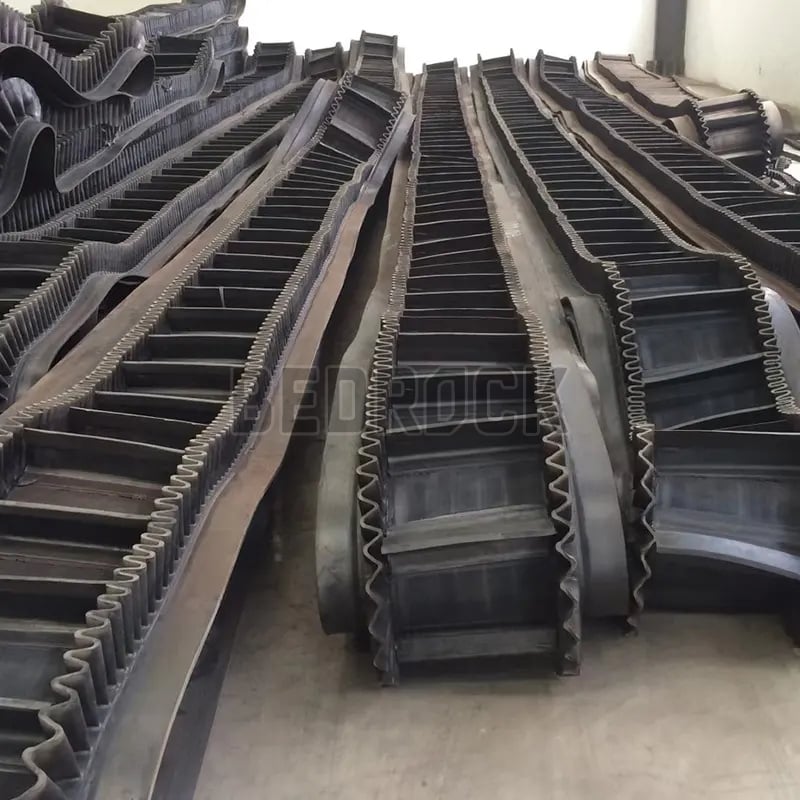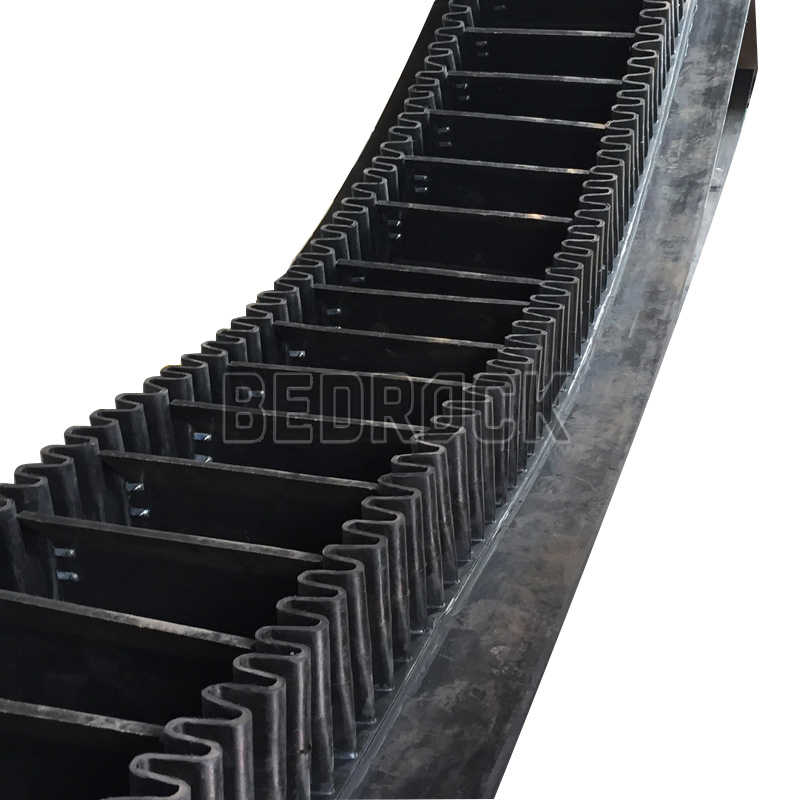
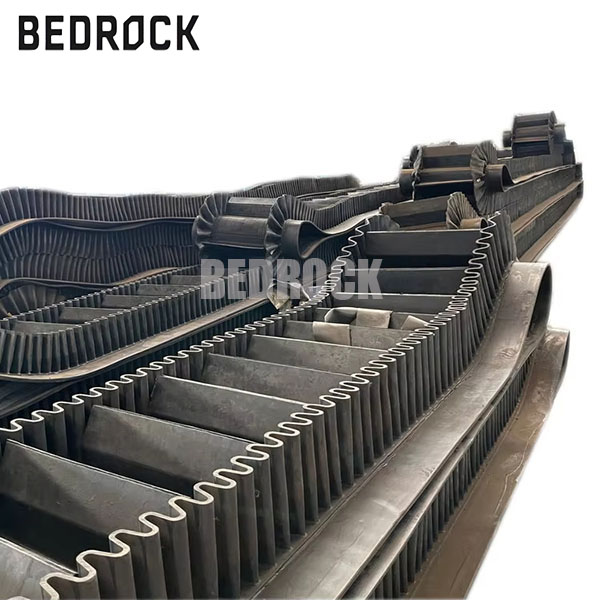
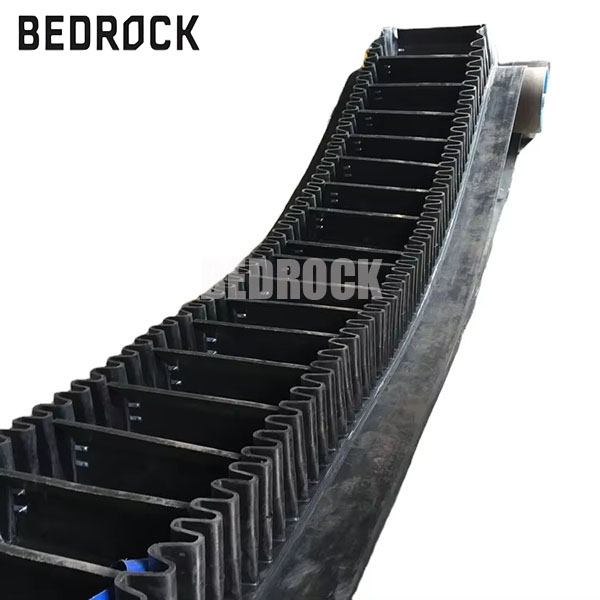
Sidewall belts are a particular type of conveyor belt that is specially made to move things up steep inclines without them tumbling back down. Say you want to transport rocks or grains up a big hill and dump them into a truck, or even some kind of mechanism. A flat belt wouldn’t grip these materials effectively enough; as soon as you tried to move, they would slip off. Which is where sidewall belts come in. They’re walled up on the sides, like little fences, to prevent the material from falling down. These walls are rigid and not flexible; they help the belt bend around pulleys and corners. We at BEDROCK use these same belts, as they are of the highest quality and will outlast anything else on the market. They can haul heavy weights and transport various objects safely, which makes a difference in many factories and mines. You might not know they exist, but sidewall belts perform an important job behind the curtains.
Sidewall belts are used to carry material at steep angles or long distances, because flat belts would not work in those settings. The sidewalls, which are constructed of sturdy rubber or plastic wall siding, rise up like walls located at the edges of the belt and block materials such as sand, coal, gravel and even food from tumbling off. At BEDROCK we engineer our belts to be both strong and flexible so that you can get on and off the mountain with ease. For instance, in mining, sidewall belts are used to transport rocks and ores up or downhill to crushers or sorting areas without damage or spillage. In agriculture, they can carry grains up into storage silos. Factories that make cement or chemicals use them as well, because those materials must be conveyed safely and without waste. The belts also have cleats — small ridges on the surface of the belt that grab loose material and push it up. This construction ensures that when the belt is steep, the materials don’t simply slide down. Some sidewall belts go as high as 90 degree incline! That’s nearly vertical! BEDROCK sidewall belts are designed to resist the wear and tear of these toughest environments, cut-and-gouge damage from sharp rocks or a heavy build-up of material in the loading area. What we learned is that the belt type and size matters. If the belt is too thin, it may tear easily; if it is too thick, bending can be a problem. We collaborate closely with our clients to determine the appropriate middle ground. What’s more, sidewall belts may be available in various materials depending on what’s being moved. For instance, food-grade side wall belts are fabricated from materials that are safe for consumable products and others feature enhanced resistance to heat or chemicals. This range allows BEDROCK to provide the most suited solution for every customer requirement. As sidewall belts can move material efficiently and safely, they help reduce waste and keep work sites cleaner. This is a cost and time saver for companies. They also help ensure the process operates smoothly uninterrupted and with no reduced efficiency due to material spillage. That’s why so many industries rely on sidewall belts.
Though sidewall belts can be tough, they too can develop problems that slow down production or cause damage. The most frequent problem is the belt not aligned. This causes the belt to not stay centered on the rollers and start rubbing against them. While this rubbing may seem innocent, it will quickly wear down the edges and can lead to tears. Here at Bedrock, a number of things can be the cause of premature belt failure, like improper belt installation and worn rollers. Solving this means examining all rollers and guides, everything should line up straight with the back of the belt, keep an eye on your belts positioning. The sidewalls themselves are also being harmed. Since they are constantly bending and carrying weight, cracks or breaks can develop. As these fissures increase, material can leak out and lead to spills. Bedrock suggests checking sidewalls regularly, especially in the dusty or gnarly terrain category. Small splits can be repaired with special rubber repair kits, but large damage may require you to replace the belt section. At times the cleats can become worn or break off from the belt. When this happens, the belt is unable to grip the material in steep areas and debris begins falling off. To prevent this, it’s wise to inspect the cleats for signs of wear whenever you do maintenance and replace the belt if many are damaged. Overloading can also result in sidewall belt failures. Overloading the belt with more than it can carry may cause stretching or breakage. BEDROCK always recommends that customers adhere to the recommended loading capacities. Overloading will result in accelerated wear and can even cause the belt to break. Sidewall belts in some areas can also be damaged by heat and chemicals. If, for example, a belt is subjected to extreme temperatures or damaging chemicals, the rubber can become brittle or soft and lose its strength. At BEDROCK, our team advises clients to select belts made with special compounds that endure these threats. “It can be good news because they are finding it earlier and the repairs are quicker when things aren’t down long.” If we wait too long, the damage and expense will be greater. Maintaining cleanliness is also essential, as dirt and debris can collect on the belt and rollers, causing the belt to slip or accumulate wear unevenly. Regular cleaning ensures the belt operates smoothly. In our opinion the right equipment is only as good as the training given to workers handling sidewall belts. If you can pinpoint problems and act promptly, you’ll save money and help keep the whole system safe. At BEDROCK we have a professional obligation to educate our clients on considerations, offer advice on how to protect their investment. Strong, durable sidewall belts are a good choice and this 1600 conveyor is long-lasting; even under heaviest use.
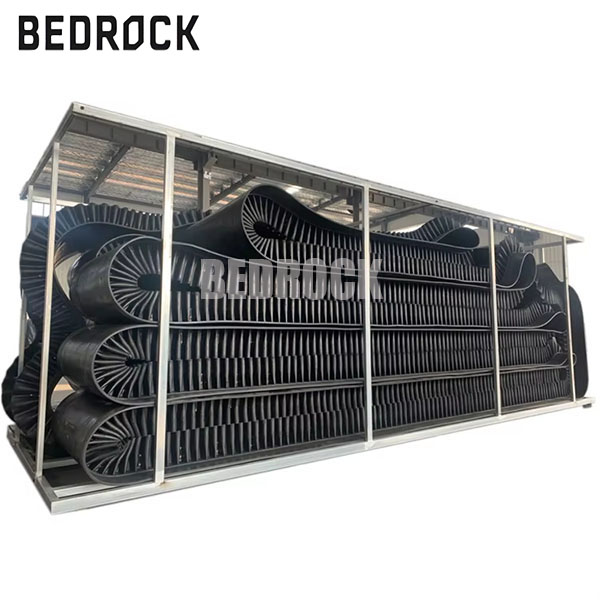
The safe, speedy transport of heavy goods is crucial in mining and agriculture. Sidewall belts are a type of conveyor belt that can assist this process. These belts include sidewalls on the sides, with elevated edges, so to speak. 18 THICK SIDEWALLS These limit rearward flow of materials such as rocks, soil or crops off the belt while moving. Most materials would slide off and become wasted or create a dangerous working environment if not for sidewall belts. For example, in mining, large rocks and minerals require to be hauled up high hills or over vast areas. Sidewall belts can convey the heaviest of loads without losing them. The sidewalls are walls that things stay between. For agriculture, producing all kinds of crops like grains or vegetables that can produce a mess and fall off the common flat belts. Sidewall belts retain the materials securely while the belt is used for inclined or vertical confeying. This allows farmers to easily move their crops from the field to storage or into trucks without losing any. Knife-edge belts not only have to be unbolted and cut off, but they leave for area clean-up and inevitable lost time. But's that's not all When using side-wall belts there is less downtime due to idle maintenance down-time because of spilled material on the floor. It is also easier and safer to work with. Our company, BEDROCK, manufactures strong and durable sidewall belts for the most punishing processes in the mining and agricultural industries. BEDROCK sidewall belts are designed to transport large and heavy transported goods, while also handling rough conditions. They make it easier for workers to get materials to where they need them, and they are less wasteful. Whether you’re mining, farming or working as an architect, using the right belt can mean a huge difference in how well the whole system works. It protects the materials, protects workers and keeps work flowing in an orderly manner.
If you are in need of sidewall belts for the heavy work that one might find in mining or farming, it is essential to get your hands on a product that really does stand the test of time and fits the purpose. Sidewall belts vary, however. Some break down too soon or can’t handle very heavy loads. To get the best belts, you need a company who knows those hard jobs will be done by these belts. BEDROCK is industrial strength sidewall belting for conveyors. BEDROCK belts are manufactured to contain hard wearing materials. That translates to longer-lasting belts and less-money spending: The sooner you can replace them, the less frequently you must. Purchase BEDROCK sidewall belts and you’re also investing in a set of belts that perfectly match your machine. The ideal size and design make the belt work efficiently without issues. You can request BEBROCK specialists to assist you in selecting a belt that is right for your Applications. BEDROCK provides belts for steep inclines, high pull strength and heavy loads. This makes them a good option for mining companies and farms that need to maintain their conveyor systems up and running trouble free. When you purchase sidewall belts from BEDROCK, you can rest assured your product was developed, designed and manufactured to remain durable while allowing your work to be efficient. These belts you could keep the quick-guard off Conveyor Belt Editing Accidental spills and break-downs are minimized with these. And plus, BEDROCK has good customer support if you have questions or need help with your belt. When you choose BEDROCK, you're choosing quality and service that will help your business thrive. So, when you need to buy sidewall belts, make sure you choose a brand like BEDROCK that knows what tough jobs require… and provides the very best belts for use in heavy-duty conveyors.
Backed by 16 years of specialized R&D and experience in national-level research projects, we develop conveyor belts that exceed industry standards in critical areas such as high-temperature and flame resistance, delivering reliability under the most demanding operational environments.
We don't just sell products — our experienced team in Saudi Arabia provides customized conveyor system recommendations based on your specific working conditions and industry challenges, ensuring optimal fit and long-term performance.
With an established local leadership team and service network in Saudi Arabia, we offer end-to-end support—from product selection and installation guidance to ongoing performance tracking—ensuring prompt response, clear communication, and minimal disruption to your operations.
We measure our success by your operational outcomes. Through continuous follow-up, optimization, and a commitment to total value, we build strategic partnerships that help you reduce downtime, improve efficiency, and achieve sustainable growth together.
 EN
EN