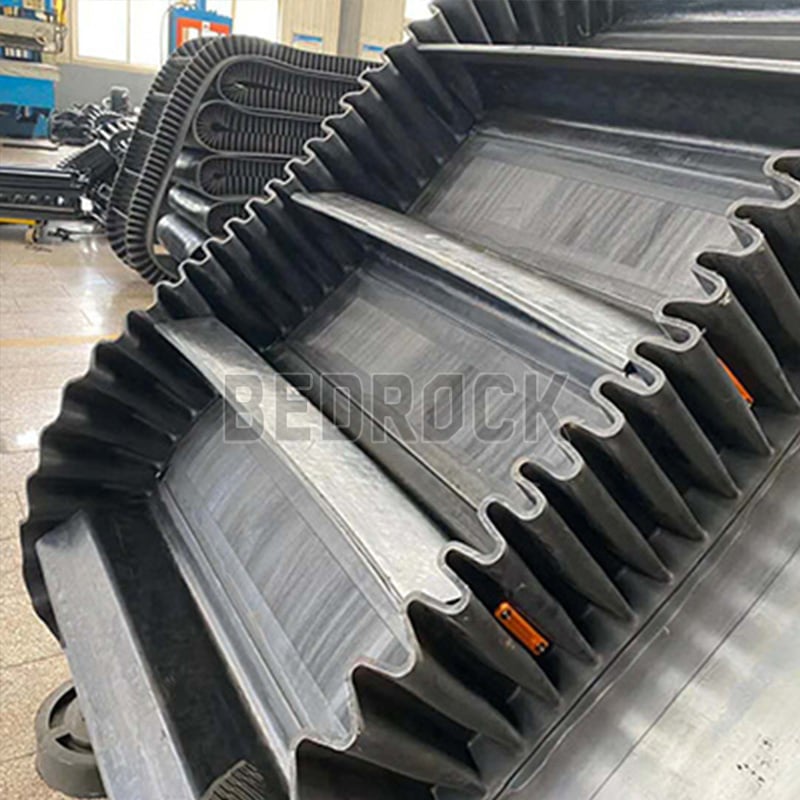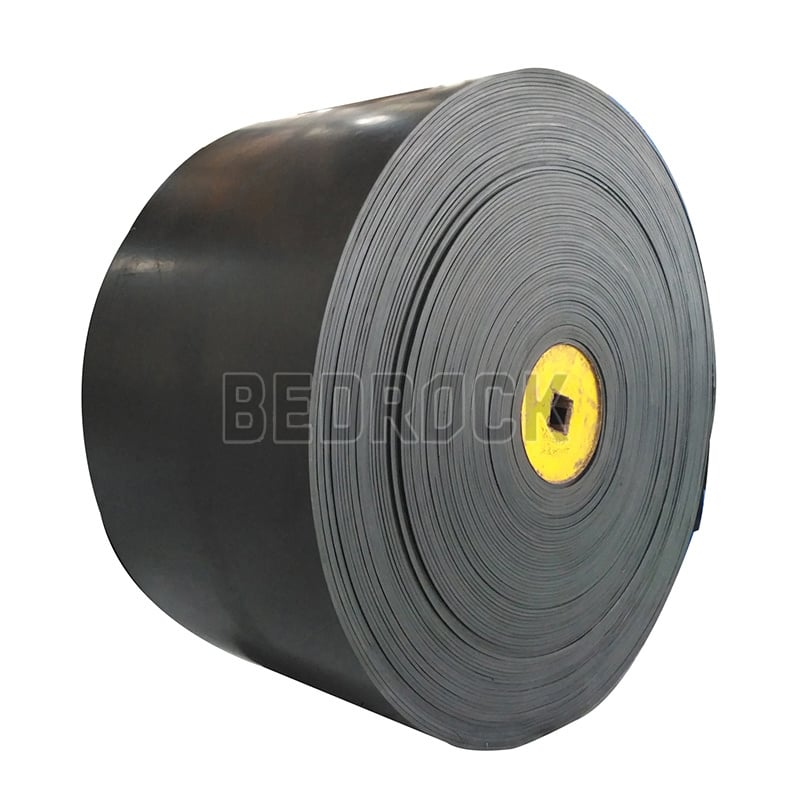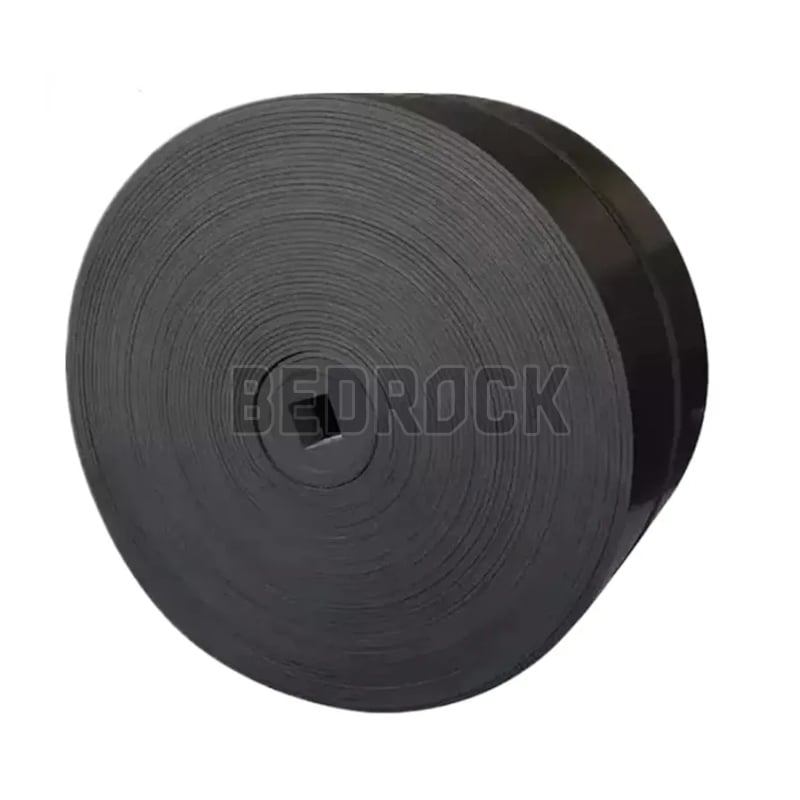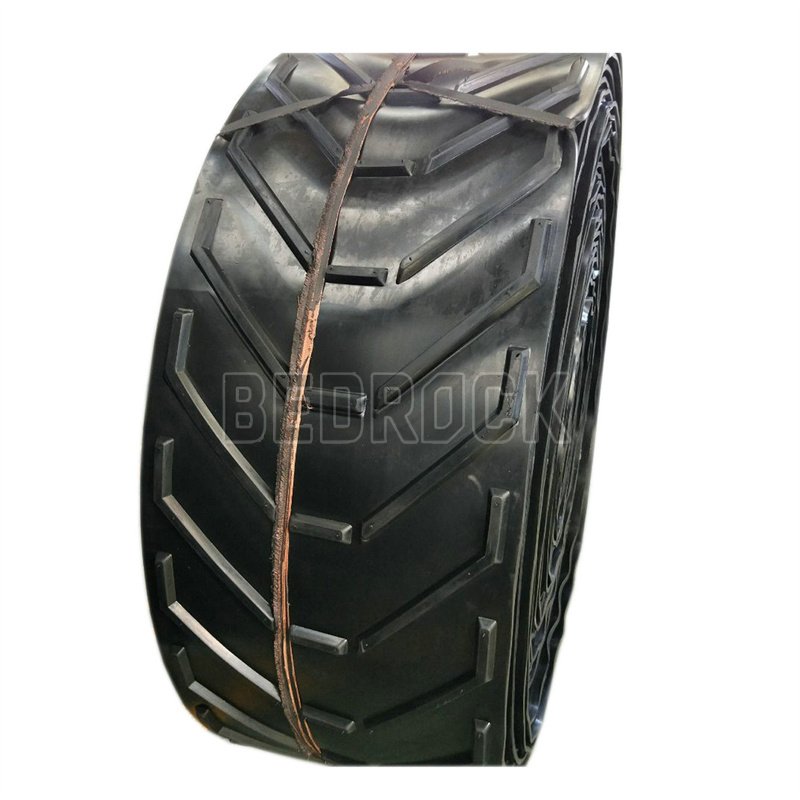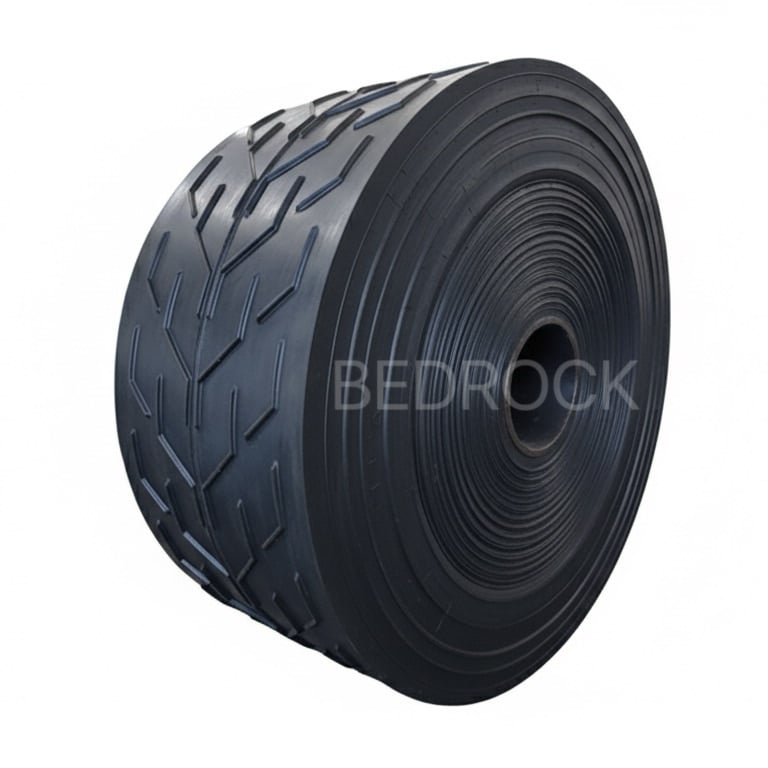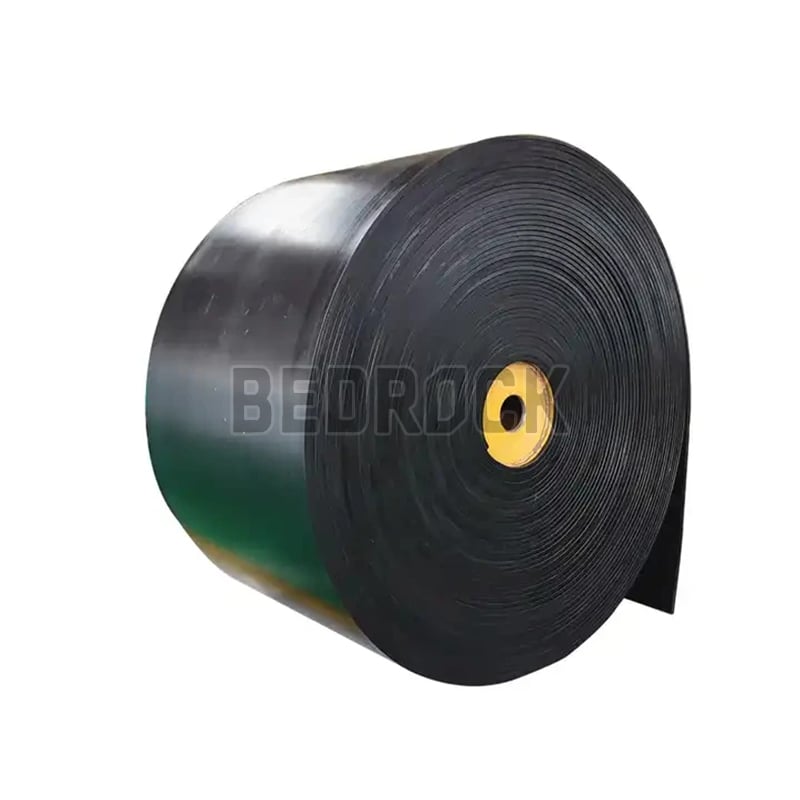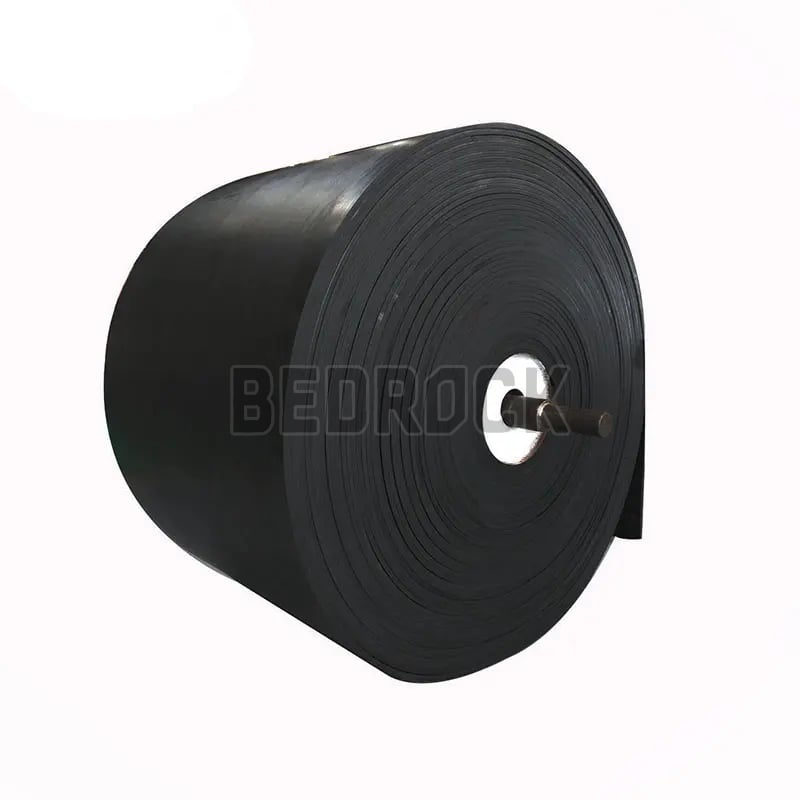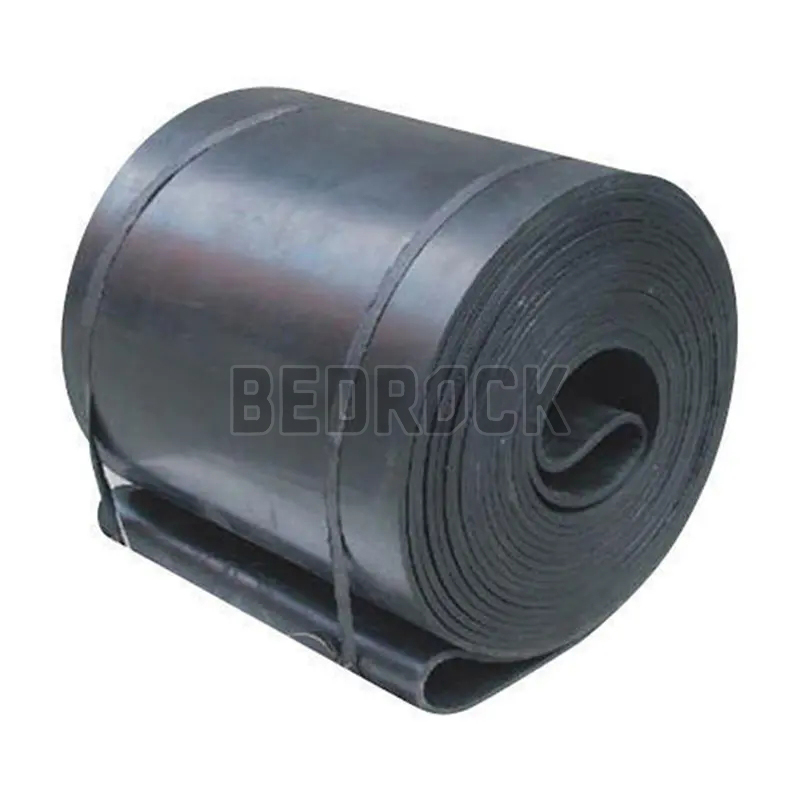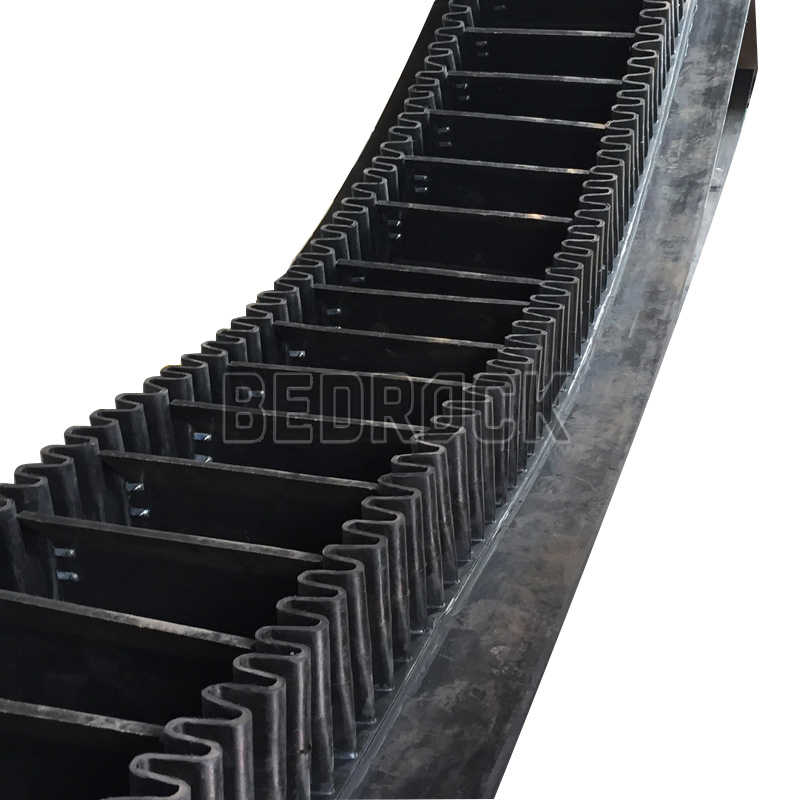
It’s not easy to build a conveyor belt for (bulk) material. At BEDROCK, we know that tough jobs require even tougher gear. Chelvron conveyor belts are unique because they have an inverted pattern of v-shapes on its surface of the belt. These shapes prevent the materials from sliding back as the belt moves on an incline. Many factories and mines rely on these belts to heft heavy loads up or down steep inclines. BEDROCK constructs these belts well so they don’t break or wear down quickly. We put strong rubber and fabric inside the belt, so that we can work it rough. That said, some people can be of the belief that all conveyor belts are created equal; however, chevron belts differ in so far as they come bearing a specific design. They’re able to store more stuff, and don’t spend time or energy hauling the materials. BEDROCK’s emphasis is to make belts that are designed to keep machines running without interruption, so businesses can save money and complete jobs more quickly. And despite its unornamented appearance, it requires a degree of skill and good ingredients to do right.
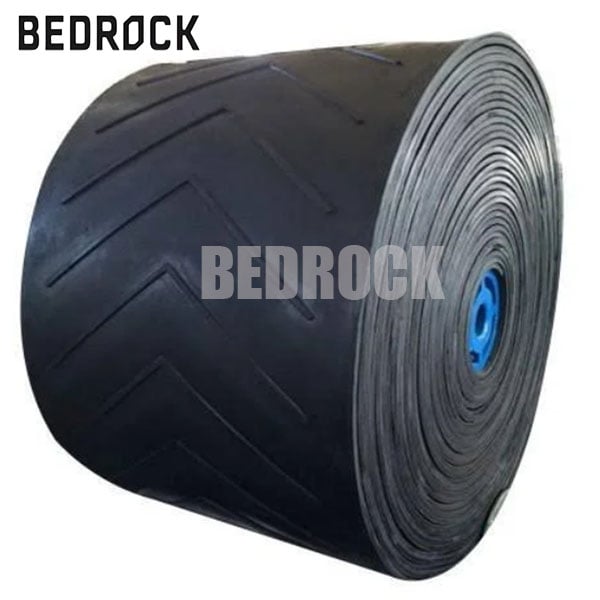
Chevron conveyor belts have those V-shaped patterns on its surface, and it’s a big reason that they’re effective with heavier, loose materials. The shapes function like little walls that keep the material in place so it doesn’t fall off when the belt ascends a hill or crosses a steep area. Consider trying to move a clump of wet sand across flat ground and then up a sloped surface (without those chevron ridges, the sand would slide back with each step). “We know the material needs to be kept steady at BEDROCK because if it falls you not only slow down your entire operation but can also have accidents. The belts are also textured, which helps to grip the materials, whether wet or dry and sticky. This texture is nice when the stuff doesn’t want to move well — wet clay, sugar. A chevron belt offers another advantage in that it is very strong. The inner layers of fabric and rubber are built to stand up to tears and stretch. Which is to say they’re also built to last longer, even if you carry heavy loads with them day in and day out. The belt’s flexibility to bend around pulleys without cracking is also critical. If a belt breaks or wears in spots, that means disrupted production — and lost time and money. At BEDROCK we design our belts not only to function, but to stand apart functionality-wise. They’re tolerant of sharp materials, too, which can destroy other belts quickly. They are flexible in that they can be used to mine, farm, recycle and many other industries. And they save energy by preventing the materials from sliding back, which would require the motor to work harder. When you’re transporting tons of stuff on a daily basis, those little bits add up. As BEDROCK can attest, selecting the right chevron belt can make a substantial difference in the smooth operations of a company.
Chevron conveyorbelt can’t fail because the integral part of its success is precision in every step. At BEDROCK quality is not just a word, its what we do. The materials, first: They have to be good. We select tough rubber that’s stretchy but not prone to tearing. The layers inside the belt are built from heavy fabric to increase durability. The belt will break if the cloth is loose. Mistakes may occur if the fabric isn’t spread evenly, or if there’s not enough rubber in certain areas of the mold. Every roll of materials is checked in carefully before production. Next, the belt is subjected to a step wherein the chevron pattern is embossed or cut into the surface. This step requires precision, because if the pattern is too shallow, a belt may not adequately hold materials. If it’s too deep, the belt could wear down more quickly. The BEDROCK craftsmen, the machines, then make sure the pattern is perfect every time. The finished belts are then tested. We torture them and bend them around wheels to see if they crack or deform. A belt that broke here would be a big problem at work. And occasionally, testing will reveal a little issue that can be addressed before the belt takes off. Also important is how the edges of the belt are finished. If the they are rough or uneven, the belt will fray and break. BEDROCK employs special machines to trim and seal the edges so they endure longer. A second significant aspect is maintaining cleanliness of the environment during production. Dust or dirt that can get pinched in the rubber and weaken the belt. We do keep a clean factory, and regulate the temperature in order to help materials cure. Trained workers inspect the belts frequently, not just at the end, so faults don’t accumulate. It’s not a 10-minute job to produce the perfect chevron conveyor belt. At BEDROCK we understand that a belt is only as good as what goes into it. When someone buys one of those belts of ours, they know we’re not going to break it on them. This confidence is the driving force behind us, pushing at improving and building better belts.
A common issue is belt slippage. This occurs when the belt is operating but the material on the belt doesn’t move, or slides down without moving. Slipping can occur if the belt is not tight enough, or worn chevron patterns on the belt. In order to prevent slipping, a taut belt should be maintained and the chevron pattern regularly inspected. If the designs are worn, replacing the belt or repairing the surface can be a way to fix them up.
Another problem is the edges of the belt. The edges of the belt can become torn or worn as they rub against components of the conveyor system. Today I will answer that question and help shed some light on the potential causes of belt issues such as the one you describe. DAMAGE IS DANGEROUS The damage reported by a driver that is used to justify replacement can manifest itself in various forms, but can be traced back directly to a number of issues. This damage includes cracking or fraying since they’re far more extreme than most instances of wear and tear, is severe enough to cause the belt to break if your timing belt fails then at least there won’t be an engine failure) Since belts need tension — through either their own resistance or tensioners — in order to work properly, If a timing belt isn’t receiving proper maintenance then it often goes HandBinder:Close Your DoorsIf you have any sizeable chunks sticking out from under one side (laser cut edges may have burrs when new) into really heavy wear worse than wear when small stains hide bigger cracks under heavy loads. To avoid this, ensure that the belt is straight and that there are no rough parts in the conveyor. Regular cleaning and maintenance also can keep dirt and sharp objects from injuring the strides.
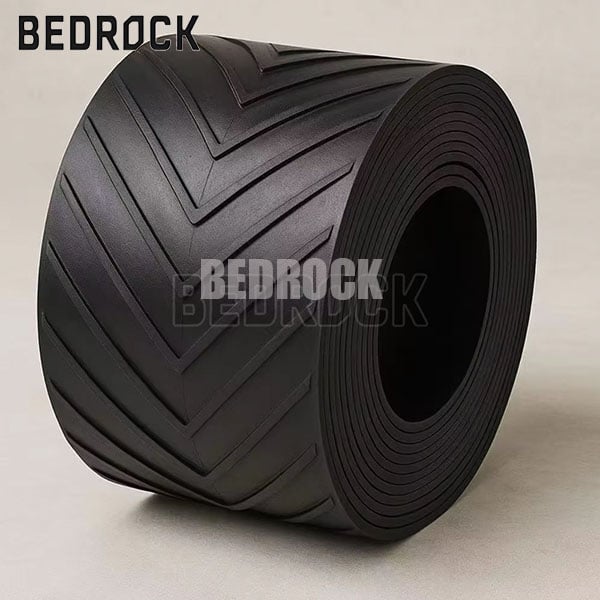
BEDROCK Chevron conveyor belts are supplied for standard tensile strength ranging from 12MPA TO 24MPA, we can produce chevron belts in a range of patterns meaning that you have even more choice when you need to choose the right products. Our belts are made with superior materials that can withstand cuts, heat and abrasive surfaces. That’s because they remain in use even under challenging conditions — such as mines, factories or farms. When you purchase from BEDROCK, you include the correct Belts for your machine. It’s a way to make the belt last longer and work better every day.
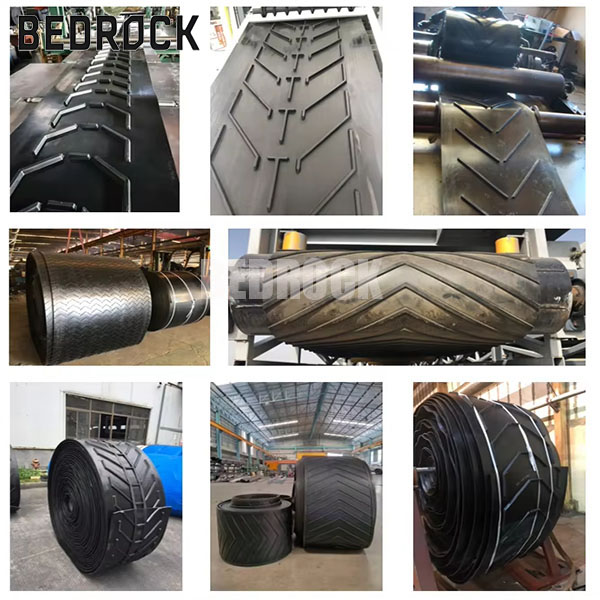
Chevron Conveyor Belt – Whats its purpose? If you’ve ever faced any issues aiming at delivering optimal performance for your factory or business, then buying a genuine chevron conveyor belt is the key to smart manufacturing. At times the nice-looking belts may not survive for a long time in the sense that they have been produced from cheap materials or by inferior workmanship. With a bit of knowledge, you can get yourself into a belt that functions well and saves you money over time.
With an established local leadership team and service network in Saudi Arabia, we offer end-to-end support—from product selection and installation guidance to ongoing performance tracking—ensuring prompt response, clear communication, and minimal disruption to your operations.
Backed by 16 years of specialized R&D and experience in national-level research projects, we develop conveyor belts that exceed industry standards in critical areas such as high-temperature and flame resistance, delivering reliability under the most demanding operational environments.
We don't just sell products — our experienced team in Saudi Arabia provides customized conveyor system recommendations based on your specific working conditions and industry challenges, ensuring optimal fit and long-term performance.
We measure our success by your operational outcomes. Through continuous follow-up, optimization, and a commitment to total value, we build strategic partnerships that help you reduce downtime, improve efficiency, and achieve sustainable growth together.
 EN
EN