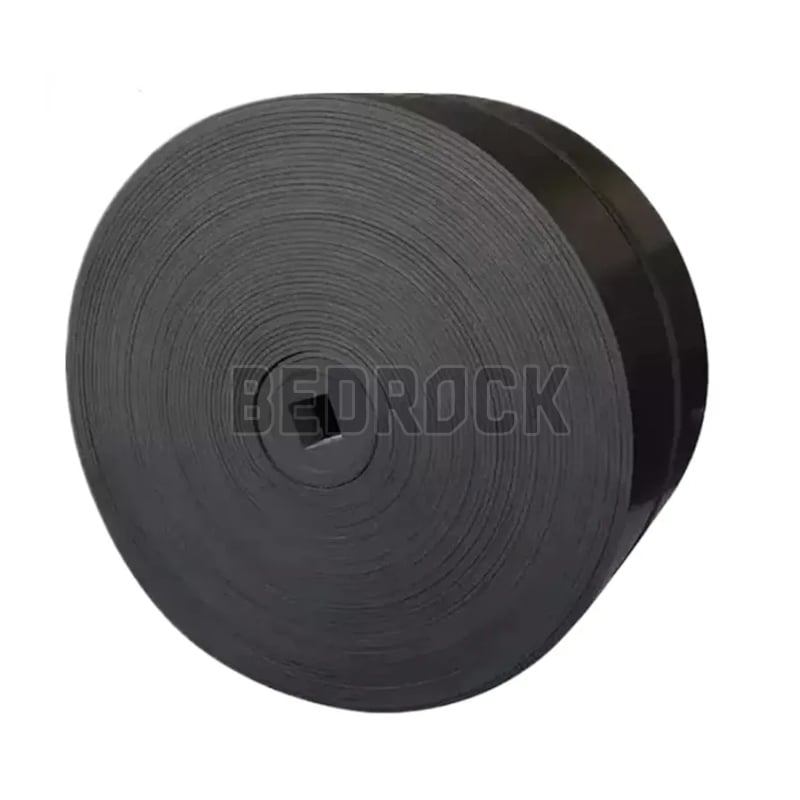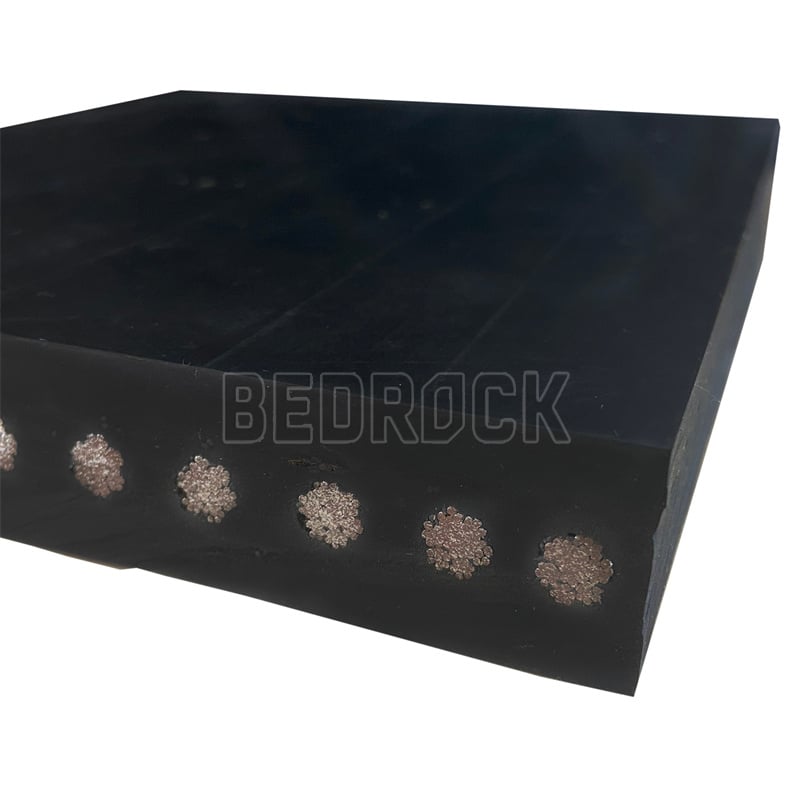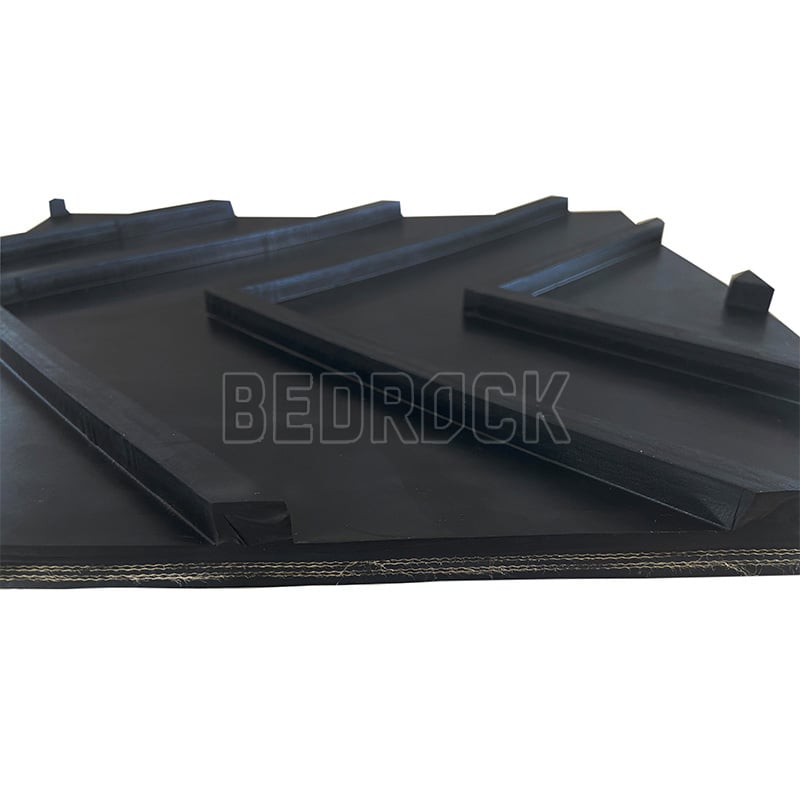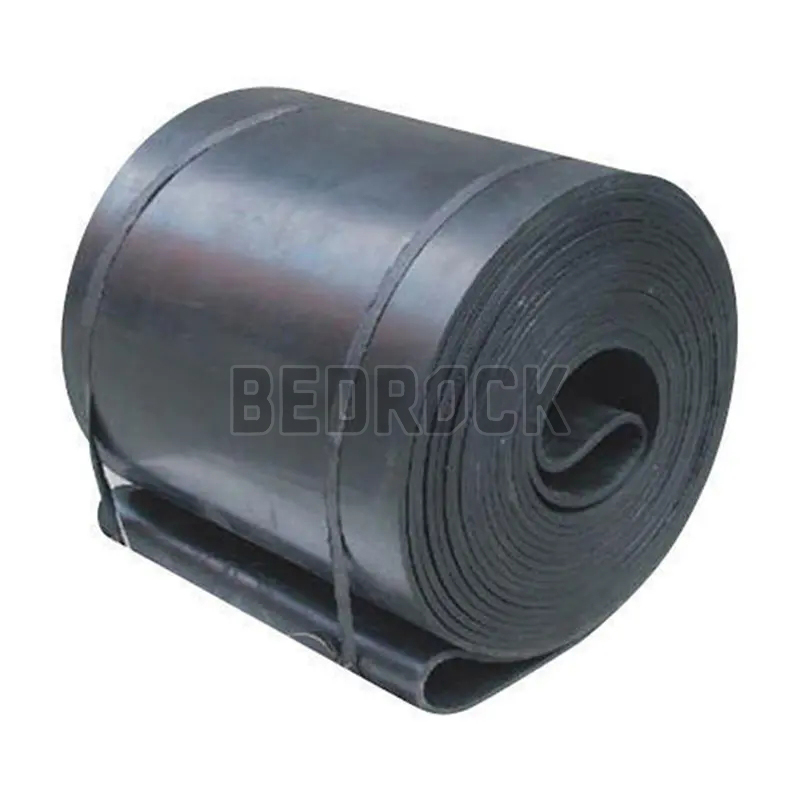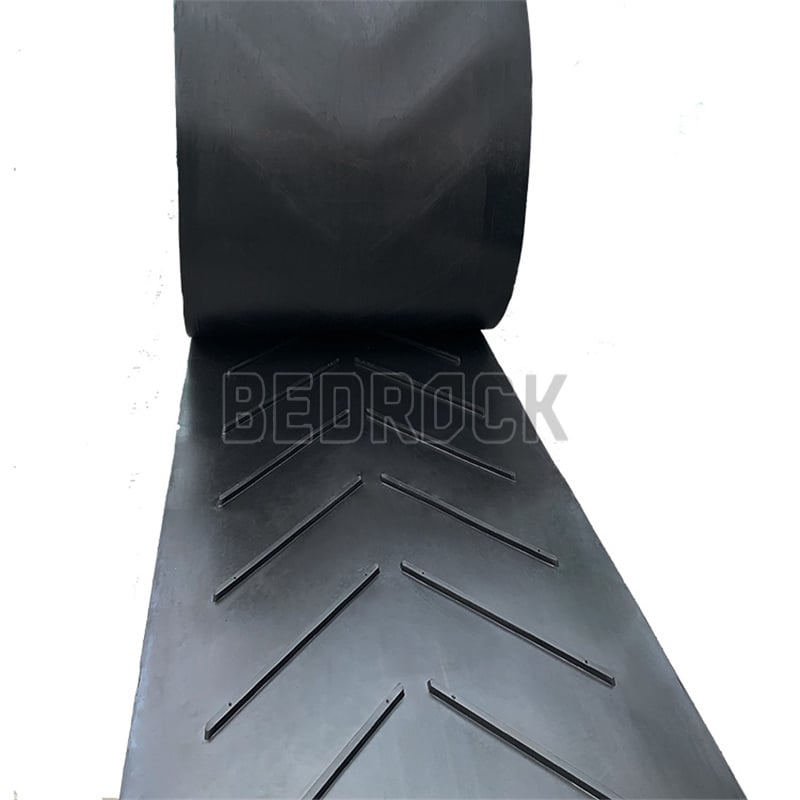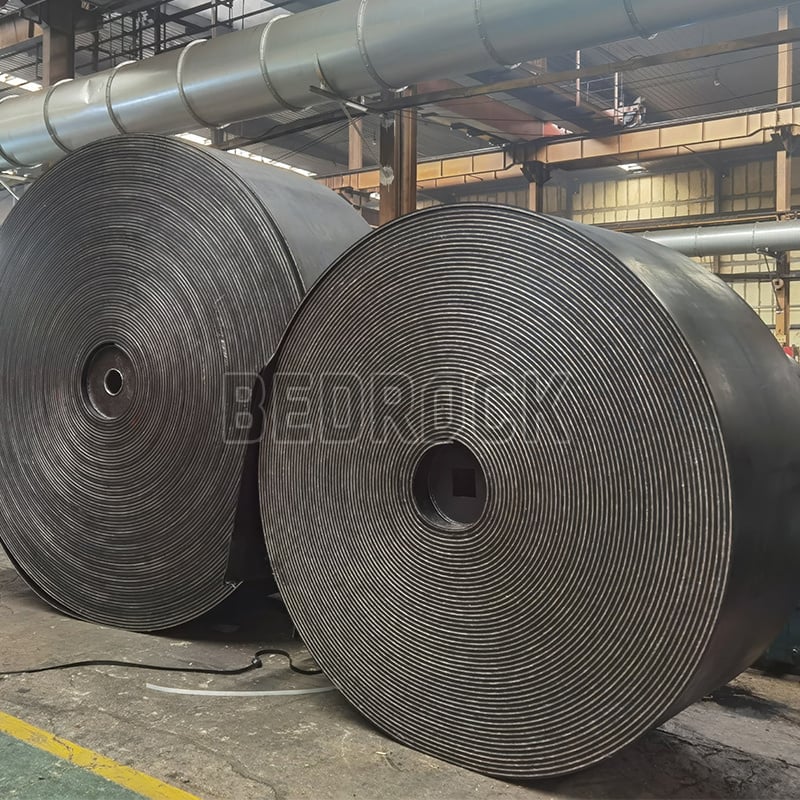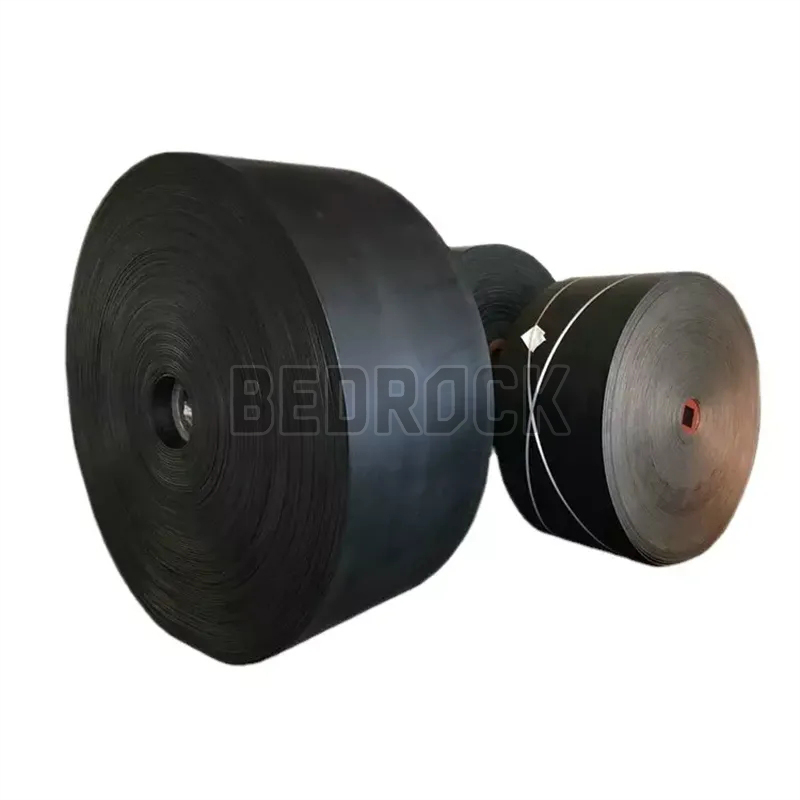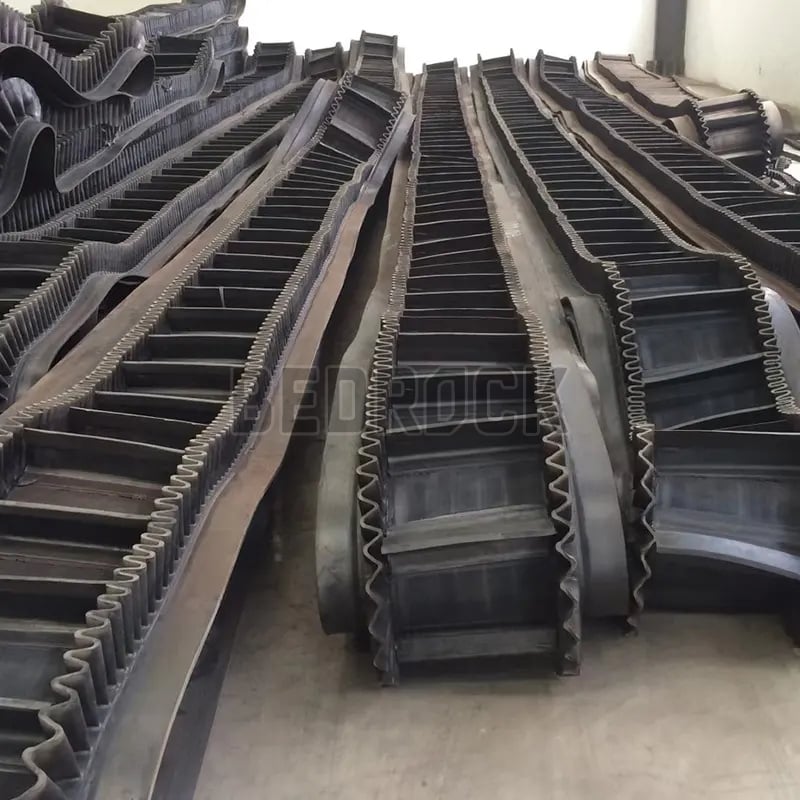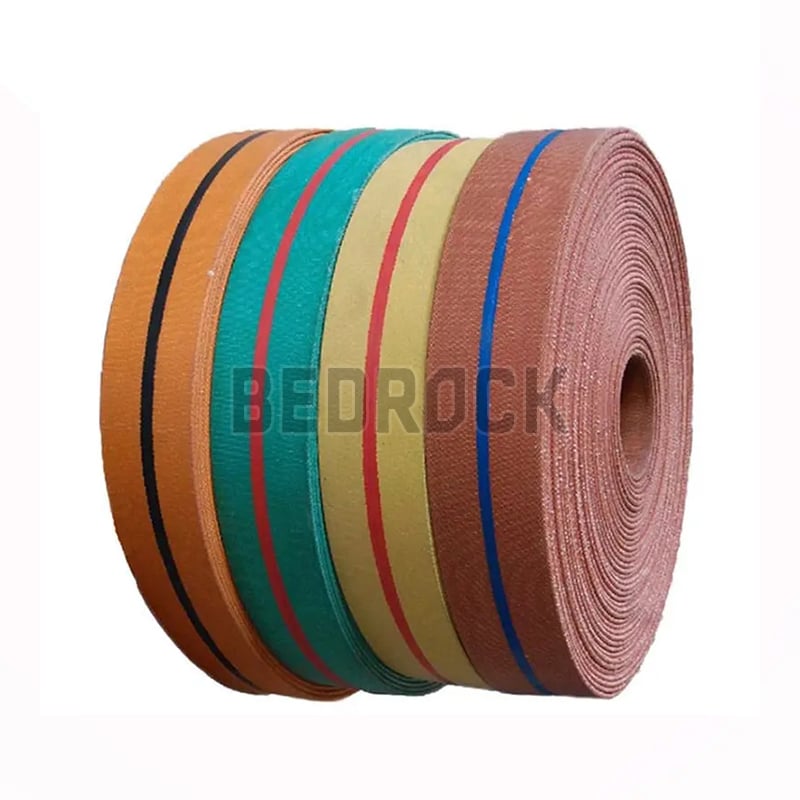
In the world of manufacturing, you live and die by how well you can move materials. An option for doing this is the low-elongation conveyor belt. These unique belts are designed to flex less than standard belts. In other words: they’re tight, a d they move things smoothly. Using a quality brand such as BEDROCK keeps the conveyors running and/or moves product seamlessly through production. Low-elongation belts can decrease the time spent waiting and also speed up operations. When products flow efficiently, everything can be done faster — and that’s good news both for business and workers.
Low-elongation conveyor belts are the Superman of manufacturing floors. They increase the efficiency of a process in numerous ways. First, because they don’t have a lot of stretch to them, the items you add to them don’t shift all over the place. This is particularly significant if the production process needs precision. For instance, if a belt stretches too far, a product may slip out of alignment and become flawed. You can do it right the first time with low stretch belts! These belts can also move more load than a standard belt. This allows businesses to lift more items at the same time — saving time and energy. You might also consider using an EP Conveyor Belt for heavy-duty applications.
Another point is maintenance. Most standard conveyor belts can’t handle heavy loads of this kind, requiring repairs due to stretching on the line. That means workers must halt the machines to repair them, which leads to downtime. But with low-elongation belts, they are more dependable, with fewer repairs. Take, for example, a bakery. With low-elongation belts, they’re able to keep your dough moving from mixer to oven without a hitch. Lower downtime means faster time to products and that translates into happier customers. Additionally, these belts are often more affordable, such as the High Quality Cheap Price Rubber Conveyor Belt.
Also, the low-elongation belts have massive energy savings. Because they run tighter and more efficiently, machines don’t have to work as hard. That means saving on electricity and giving the conveyor system a break. All of these benefits accumulate over time. A manufacturer employing low-elongation belts will realize cost savings as well as increased output. The trusty, unyielding friend of the practical man: The friend that never lets you down! A BETTER IDEA In addition to higher strength, low elongation and heat resistance…the all new YOKOHAMA cover has three times the tear resistance with half the wear. Even if things get tough, these belts help keep everything moving smooth and stay loose..GetCurrentMethod.Tagnjamara Even when it gets hard these belts make all the movement so much easier!
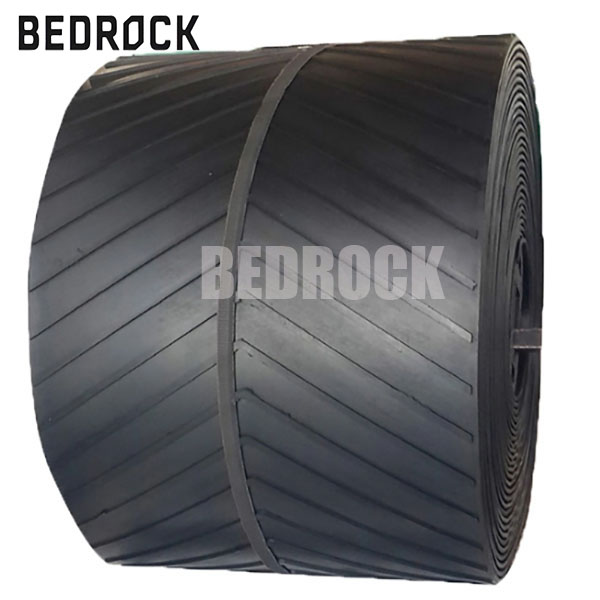
Local vendors sometimes sell great options, too. You can visit their warehouses to see the items in person. And conversing with suppliers in real life can result in a more customized experience. They can help you determine which conveyor belt would be most compatible with your needs. If you’re hoping to make a bigger order, ask for wholesale pricing that’s even lower. A lot of suppliers are ready to talk about bulk order, especially if you can work it out as a long-term partnership.
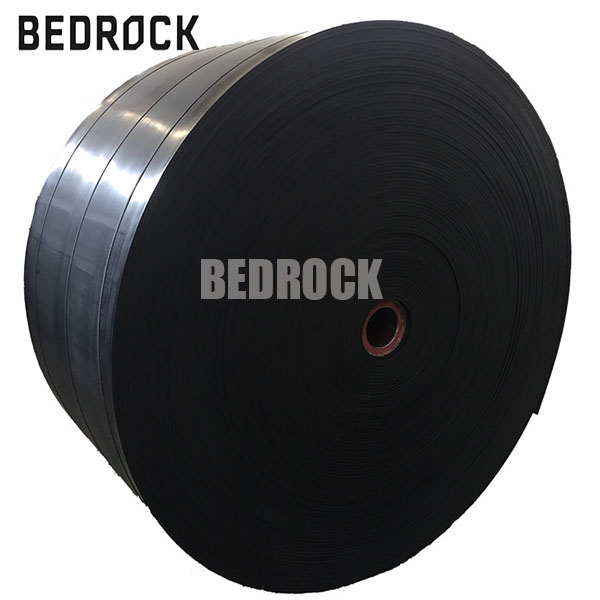
Low-elongation conveyor belts are a unique kind of belt utilized across various industries to transport different goods from one location to another. These belts are intended for applications with minimum stretch requirements. That’s because they remain tight and require little upkeep. However, certain problems may occur during use of these belts. A common problem is belt drift. The belt can occasionally slip off the track it should take. This can occur for a few reasons, such as irregular surfaces or misalignment of rollers. Then there is wear and tear. Even the low-elongation belts are not indestructible and can become damaged when carrying a heavy load. You should check your belt frequently to ensure it’s in good condition. And operators also have to be mindful about how much weight they place onto the belt. Even if the belt is strong, too much weight can lead to problems. Preventing these problems from occurring in the first place is a matter of regular maintenance. It is recommended to inspect the belts periodically to ensure they are aligned. They should also inspect for damage. It is always better to replace the belt when it begins to show signs of wear, rather than wait until it fails. Companies can also educate their workers on how to put the belts on and take care of them. This might save everyone from having to learn the correct way to load and unload products. In these ways, businesses can prevent issues and ensure that their low-elongation conveyor belts work well for a very long time.
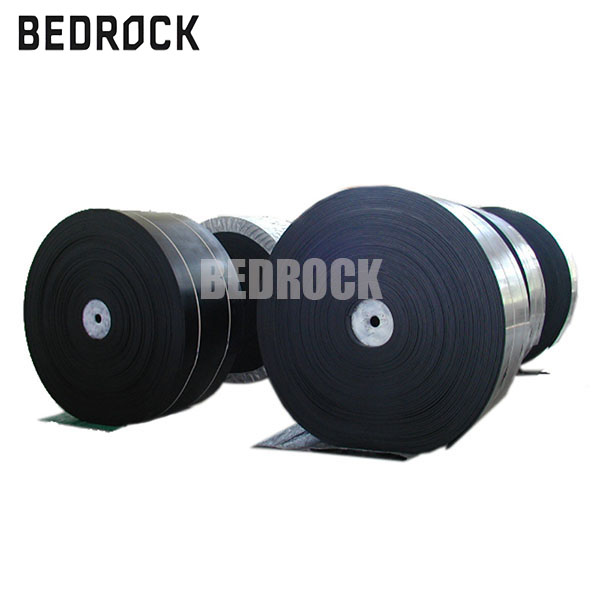
Businesses can, in fact, run better on low-elongation conveyor belts. One major advantage is that these belts cut downtime. Machines not working equate to downtime, which can have a negative impact on production. Low-elongation conveyor belts, which as the name suggests have a small elongation due to stretch, do not have much slack and they believe that they require less fixing and fewer replacements. That means workers can keep moving product, rather than stopping to fix machines. And if the belts do snap, they tend to tear in a manner to let employees see there’s an issue sooner rather than later. That allows the business to address a problem before it impacts too many aspects of the process. Another way these belts aid is in protecting products. Since the belts are snug and secure, it's difficult for goods to slide off. That means there’s less of a chance of causing harm to or losing objects when you move them. More can be transported at once, and businesses have been able save time. This leads to increased output as workers are able to do their jobs more quickly and without constant disruptions. This is because in a warehouse, the faster belts move, the more quickly things can be picked and shipped. Workers can invest more time to other important matters rather than taking care of equipment breakdowns or lost products. And when they work with conveyor belts that have low elongation, they can faster be and therefore grow and succeed. It lets them concentrate on delivering great service, and meeting customer needs without distraction.
Backed by 16 years of specialized R&D and experience in national-level research projects, we develop conveyor belts that exceed industry standards in critical areas such as high-temperature and flame resistance, delivering reliability under the most demanding operational environments.
We measure our success by your operational outcomes. Through continuous follow-up, optimization, and a commitment to total value, we build strategic partnerships that help you reduce downtime, improve efficiency, and achieve sustainable growth together.
With an established local leadership team and service network in Saudi Arabia, we offer end-to-end support—from product selection and installation guidance to ongoing performance tracking—ensuring prompt response, clear communication, and minimal disruption to your operations.
We don't just sell products — our experienced team in Saudi Arabia provides customized conveyor system recommendations based on your specific working conditions and industry challenges, ensuring optimal fit and long-term performance.
 EN
EN