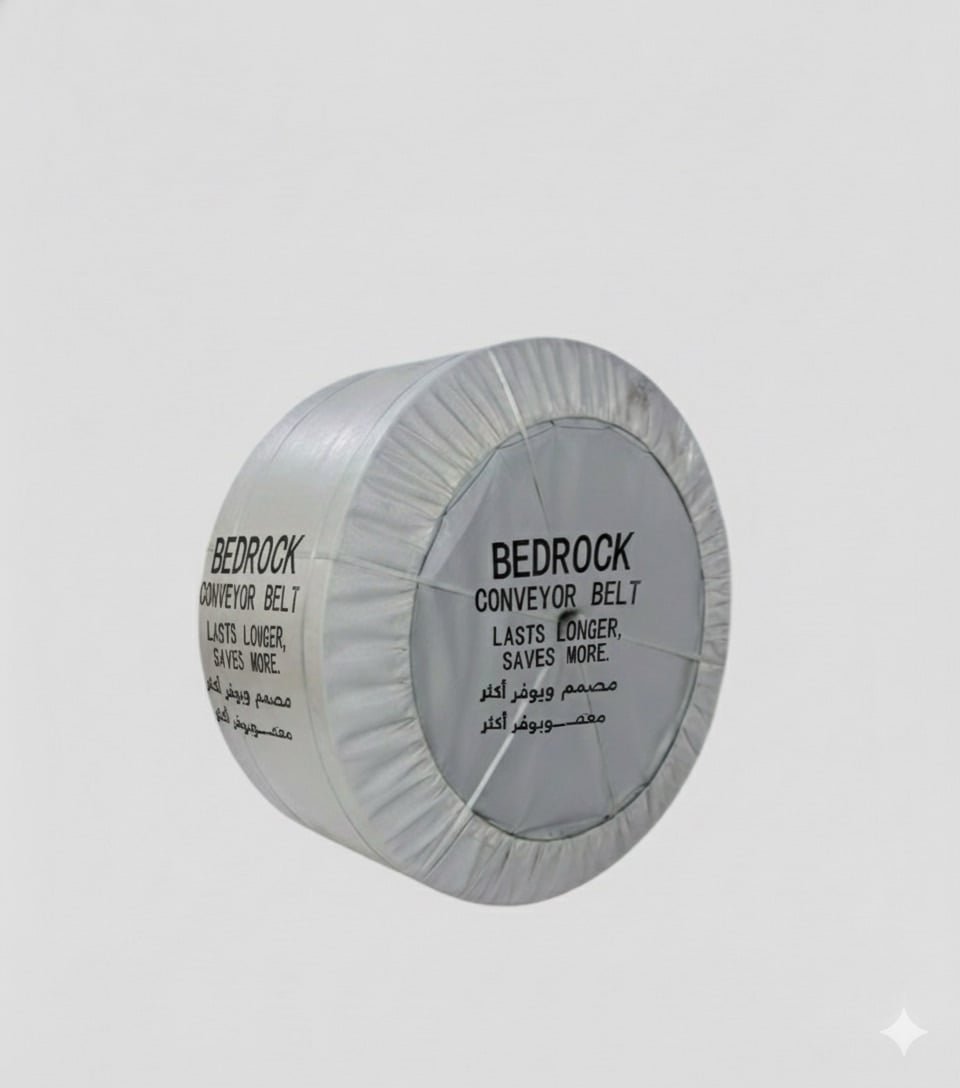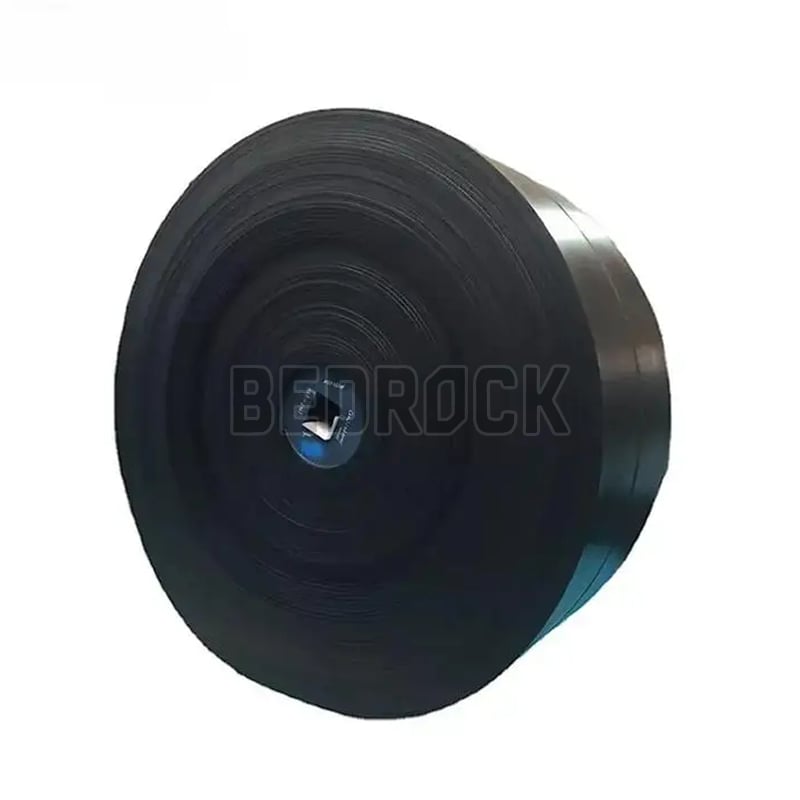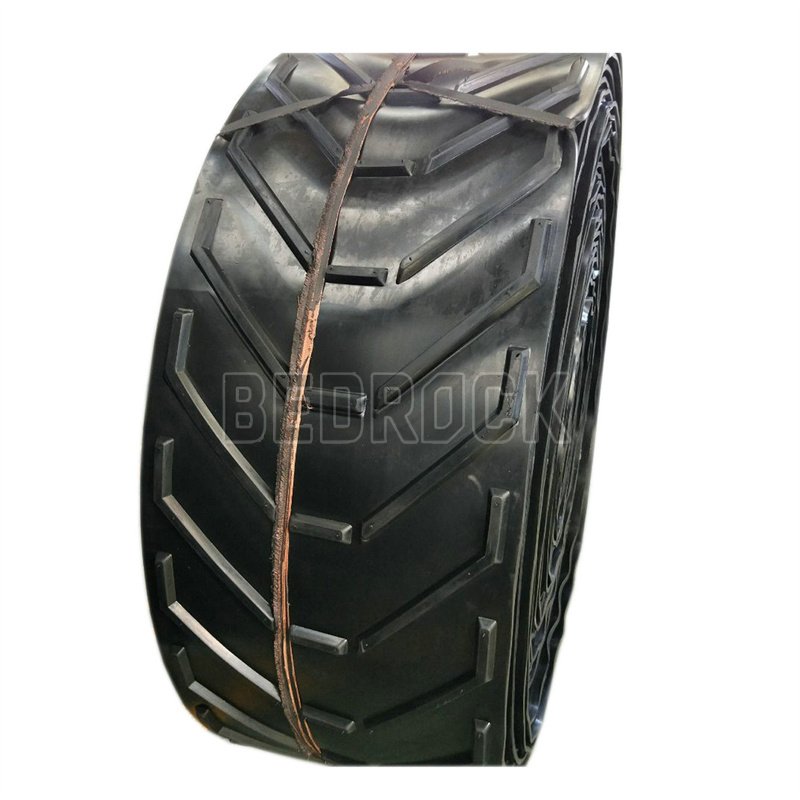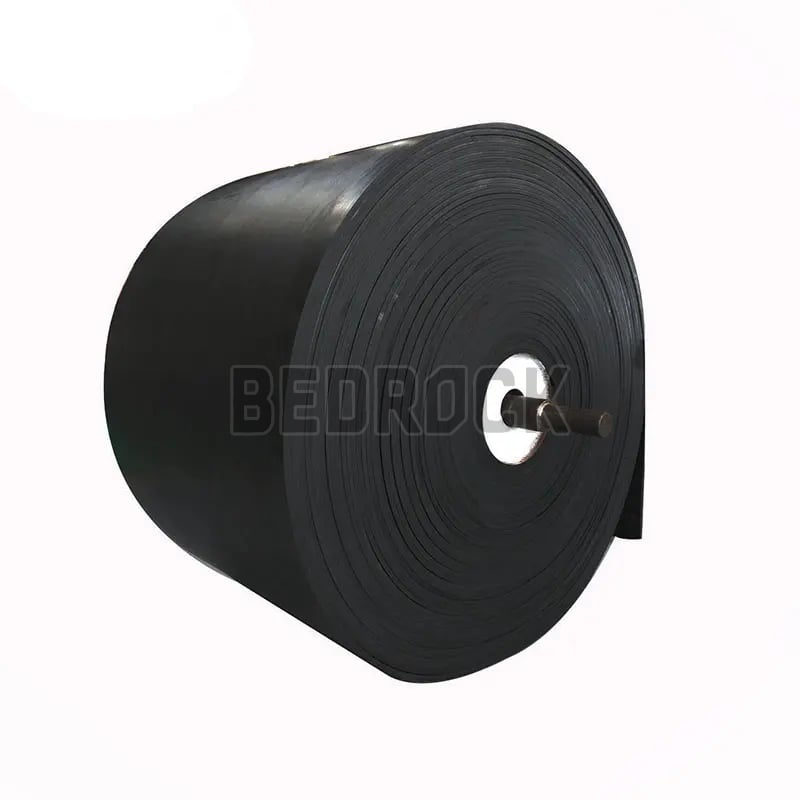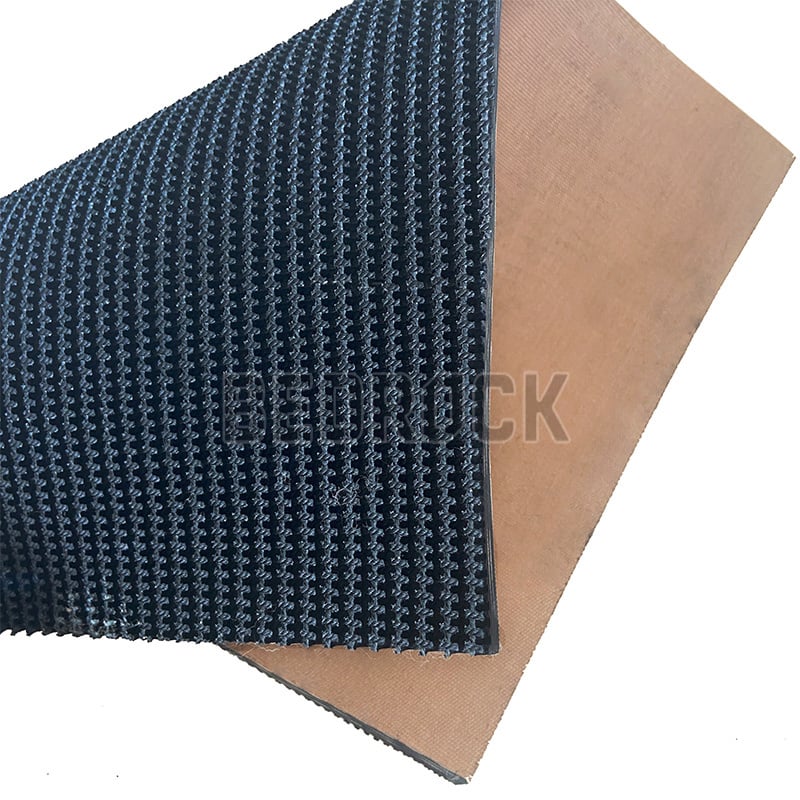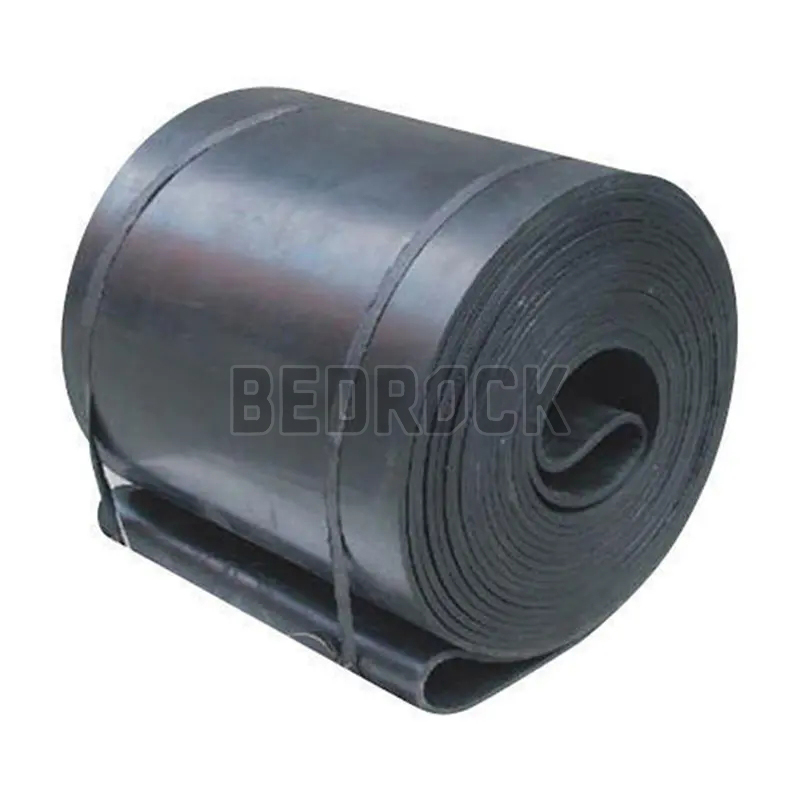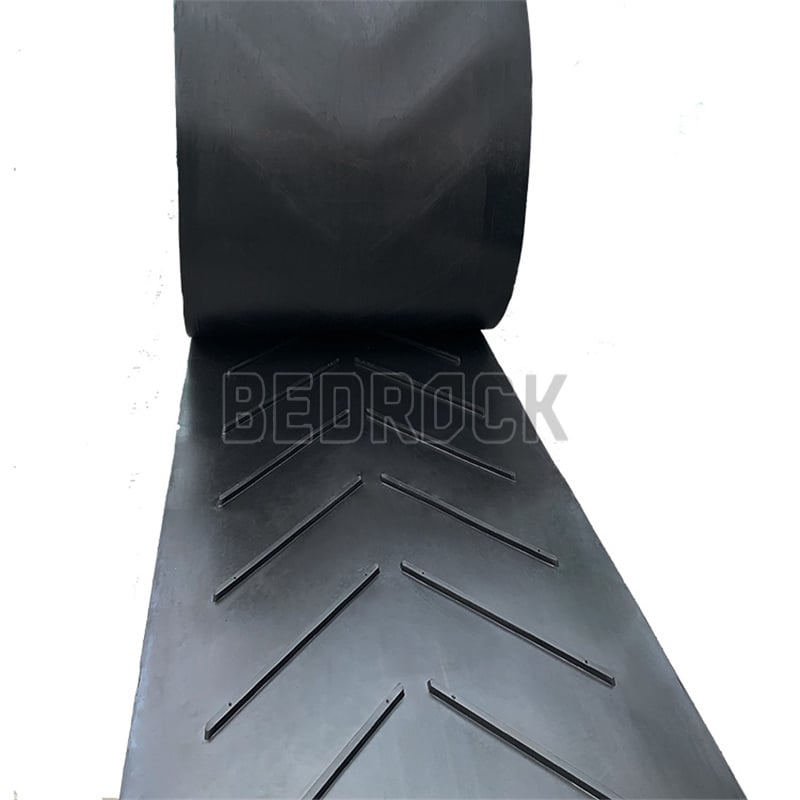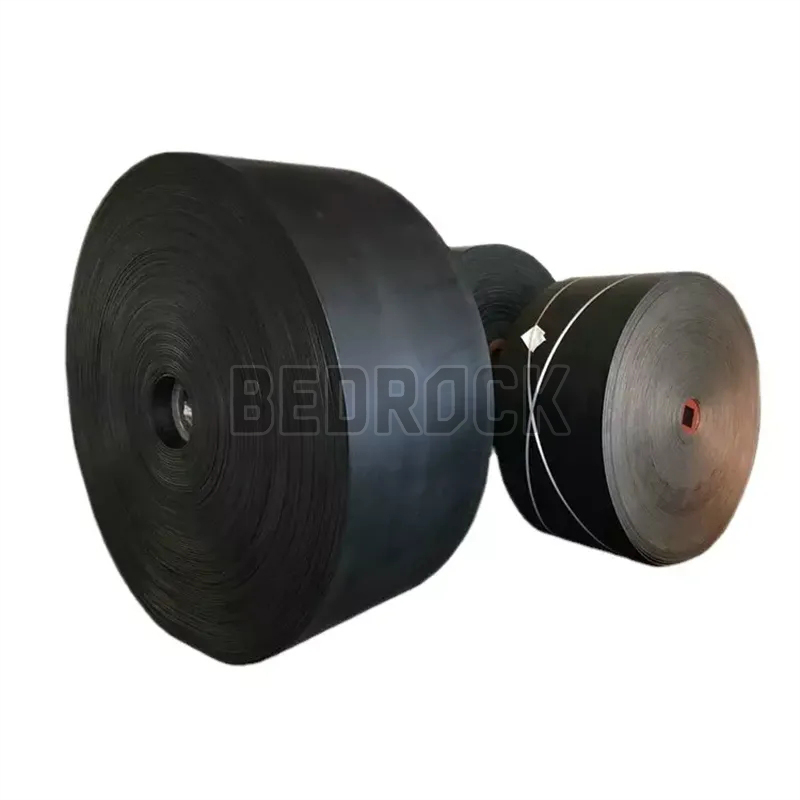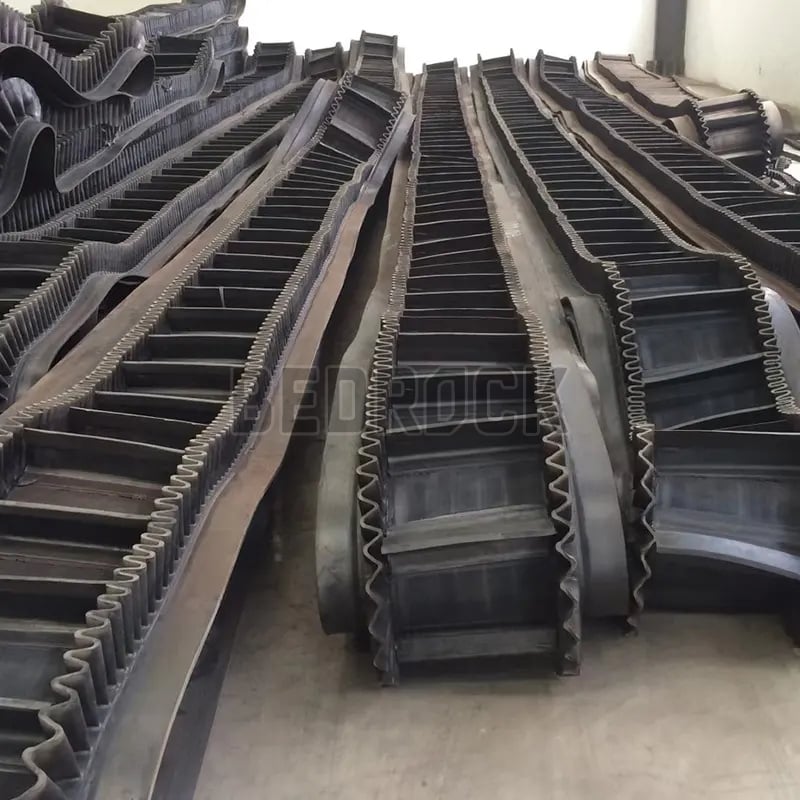
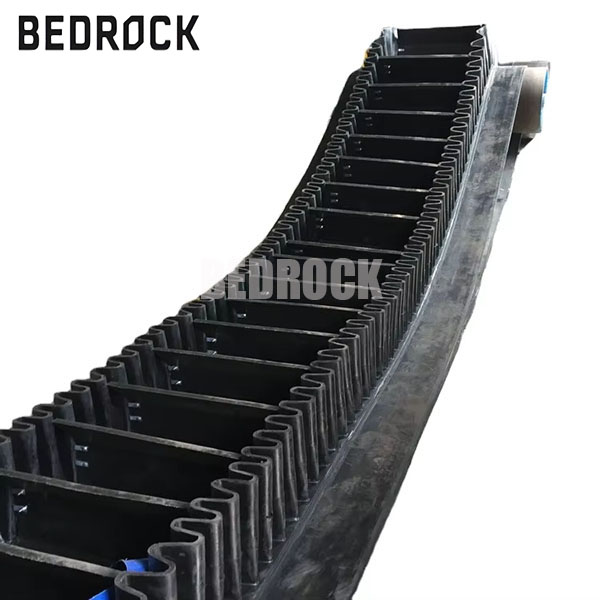
Heavy duty rubber conveyor belting is a versatile product used in various industries. They also feature raised parts called cleats that support preventing materials from sliding or slipping as you work the belt. These cleats are firmly glued to the rubber, so the belt is ideal for moving things uphill or along bumpy surfaces. BEDROCK makes them durable and tough. With them, factories and warehouses can transport heavy items without the risk of spills or damage. Because the cleats grip so well, things like rocks and grains or boxes do not slide around even if the belt is steep or moves fast. That makes work safer and faster for a wide range of industries.
Choosing the appropriate cleated rubber conveyor belt for your business is not any easy task. You don’t have to move everything you own, and first of all you’ll need to work out what will go. Is it big rocks, wet dirt or tiny components? They each have a different kind of belt. BEDROCK belts offer a variety of cleat sizes and shapes, so you are able to get the correct one that supports your product. The cleats can be high or low, wide or narrow. Higher cleats come in handy for things like large stones, to help keep them from toppling over. But when you are carrying small bags, lower cleats might be better so the bumping is not too dramatic. Then, the thickness of the belt--this also is significant. Heavy weight requires thicker rubber to prevent the bands from snapping or tearing. For instance, if you are considering moving heavy materials, a Sidewall Conveyor Belt might be the ideal choice. The Bedrock Corrugated rubber floor mat has an ideal surface texture to keep feet from sliding and will fit most treadmills with a front deck height of any five inches. Also, the belt’s surface matters. Now and then a smooth surface seems to work better; other times, the rougher surface holds on. Don’t forget the belt speed. It can be like that at work: If you’re feeding the belt too fast and the cleats are too small, things drop. BEDROCK professionals always advise to ensure the belt speed, cleat size, and load weight are matched appropriately. People sometimes assume that all cleated belts are the same, but that isn’t the case. The incorrect belt will either snap in two or lead to accidents. So, picking carefully is cheaper and keeps the work safe. The setting plays a role as well. Will the belt be exposed to water, heat or chemicals? Sure, BEDROCK belts can be built to meet those demands. My own experience suggests that companies that pick the appropriate cleated belt don’t spend a lifetime chasing down problems. They receive regular work and have less downtime. It’s wise to seek advice and take a close look at your needs before purchasing. Don’t rush. Let the belt fits your heavy work every time.
Good cleated rubber conveyor belts that actually last are hard to come by at times. Numerous belts appear identical but buckle under pressure. What sets BEDROCK apart is our belts can hold up to this erosion thanks to the rugged exterior material we use for each model. When you’re asking yourself, how do I find belts that won’t break, the answer is a company that understands industrial work. BEDROCK has been producing belts for years, and we know what the factories want. Our belts are tested in real locations, not laboratories. That means we have an opportunity to see how they hold up when working in mud, rocks or moving heavy boxes. When shopping for belts, see if the manufacturer provides other cleat patterns or rubber compounds. BEDROCK provides a variety that accommodates many types of work. Dana notes that you should also inquire about the belt’s life expectancy and whether it includes support or service. BEDROCK helps customers decide and solve it quickly. There are belts out there who may be less expensive but which will last you only couple of months. That is ultimately more expensive, in repairs and time. Choosing quality saves headaches later. It’s also nice to have a belt maker near you. BEDROCK is big, so also fast shipping, plus you have help if you need it. It also helps that we listen to customers and continually improve our belts based on real, user feedback. So it’s no wonder most of these types of industries put their trust in BEDROCK for conveyor belts. If you want belts that can do the hard work well, make sure your manufacturer knows what is required and produces quality at every turn like BEDROCK. You don't have to settle for anything less, especially when your work is dependent on it.
Rubber cleats on this belt really grab materials and help moving items manage inclines up to 30°. But, just like any machine, if not properly maintained they can cause problems. There are a few common things including belt slipping or losing power. This occurs when those raised portions of the belt, called cleats, wear down or get damaged. As the cleats wear down, they lose their ability to grip material, and materials fall off if the belt slips. To avoid this, be sure to check the cleats frequently. If you notice any wear or rips, replace the belt or repair the cleats as soon as possible.
Another problem is belt misalignment. This gets the belt off track and can destroy the edges of the belt or even your whole conveyor system. This misalignment typically occurs from improper installation or worn components such as rollers and pulleys. To prevent this problem, ensure that your conveyor in Michigan is installed properly and that the rollers are inspected often. BEDROCK belts include an easy-to-follow instruction guide that optimizes everything in order to be perfectly aligned.
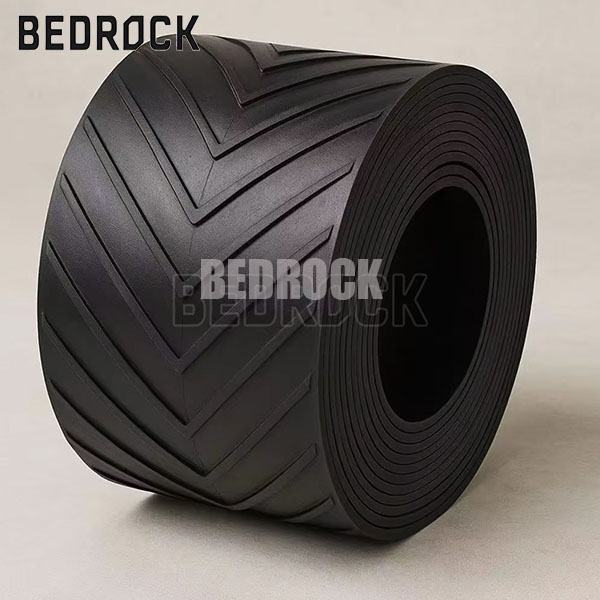
For the food industry, there must be safe and hygienic material for the belt. The rubber can’t contain harmful chemicals, and it should be resistant to bacteria and germs. BEDROCK provides cleated rubber belts in food grade as per requirement for adherence to stringent health regulations. The belts are also smooth between the cleats to prevent food particles being caught in them and thus easier to clean. Because food products can be slippery, the cleats need to be properly shaped and tall enough to secure items. The company assists customers in cleat selection to ensure food from a moving conveyor belt doesn’t slide off.
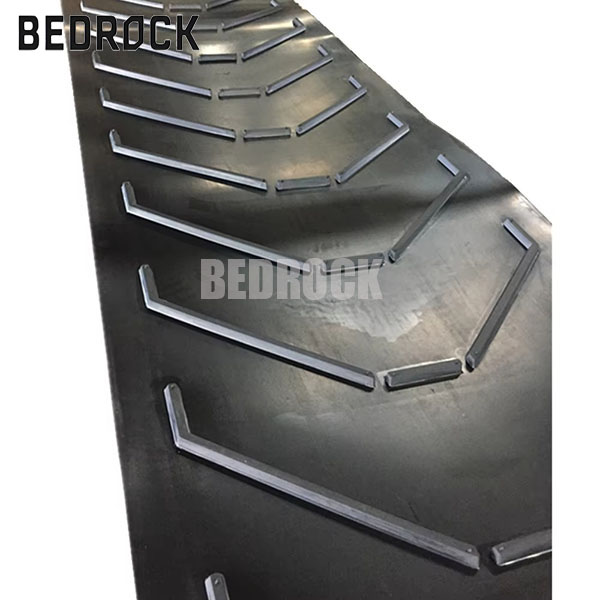
In the mining sector, they also need very strong and robust belts. They are hauling around heavy, jagged rocks and working in harsh conditions like dust, heat and moisture. Mining belts get whoa’ great resistance to cuts, tears and abrasions. The cleated rubber conveyor belts for mining from BEDROCK are constructed using thicker cross sections, stronger fabric reinforcements, and unique compounds that provide long life. The cleats are meant to carry heavy loads up steep inclines without breaking or slipping.
Backed by 16 years of specialized R&D and experience in national-level research projects, we develop conveyor belts that exceed industry standards in critical areas such as high-temperature and flame resistance, delivering reliability under the most demanding operational environments.
With an established local leadership team and service network in Saudi Arabia, we offer end-to-end support—from product selection and installation guidance to ongoing performance tracking—ensuring prompt response, clear communication, and minimal disruption to your operations.
We don't just sell products — our experienced team in Saudi Arabia provides customized conveyor system recommendations based on your specific working conditions and industry challenges, ensuring optimal fit and long-term performance.
We measure our success by your operational outcomes. Through continuous follow-up, optimization, and a commitment to total value, we build strategic partnerships that help you reduce downtime, improve efficiency, and achieve sustainable growth together.
 EN
EN